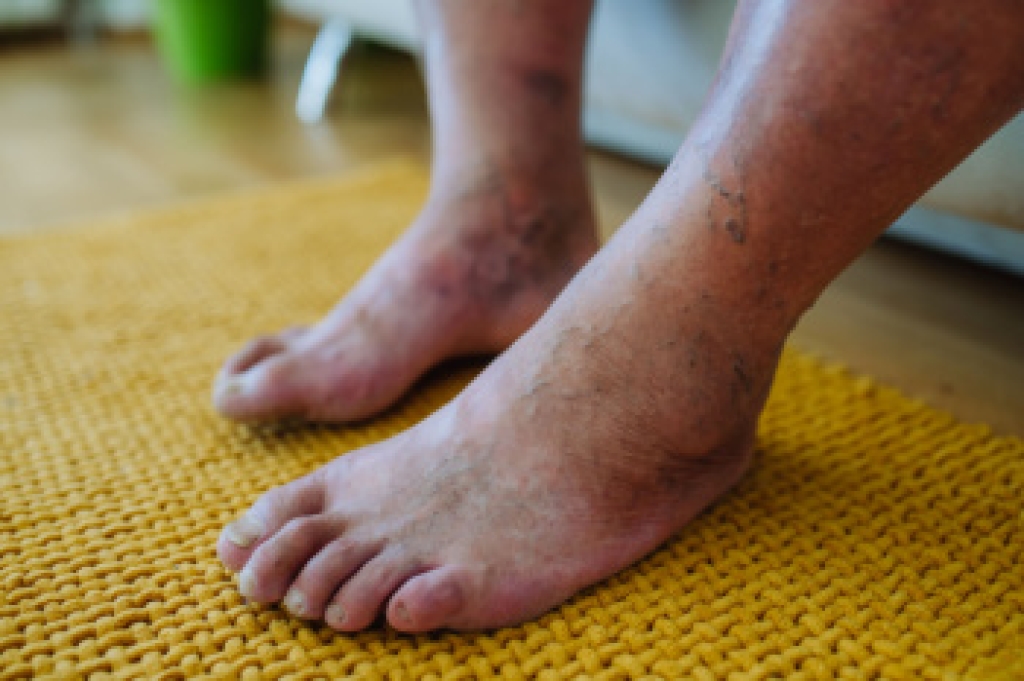
Diabetes affects many parts of the body, including the feet. High blood sugar levels may damage nerves and reduce blood flow, making it harder for the feet to heal after an injury. Some people gradually lose feeling in their feet and may not notice cuts, blisters, or other injuries right away. Reduced circulation can also slow healing and increase the risk of infection. Because these changes often develop gradually, routine diabetic foot care is an important part of protecting long-term health. Warning signs include numbness, tingling, and burning sensations. Some people also notice swelling or changes in the appearance of the skin. Regular podiatry evaluations help identify problems early before they become more serious.
Diabetes-related foot problems affect mobility and overall quality of life if they are not recognized promptly. Even a small wound may become more difficult to heal when circulation is reduced or sensation is limited. In more advanced cases, untreated infections or ulcers can lead to significant complications. A comprehensive podiatry examination allows the feet to be evaluated for changes in skin health, circulation, and nerve function. A podiatrist can also identify early signs of pressure points or developing foot deformities that may increase the risk of future problems. Early diagnosis and ongoing monitoring are essential because many diabetes-related foot conditions respond best when addressed as soon as possible.
A podiatrist plays a vital role in helping patients with diabetes maintain healthy feet and reduce the risk of serious complications. Professional care focuses on detecting changes early, treating existing foot conditions, and preserving comfort and mobility. Treatment plans are tailored to each patient's needs while considering overall health and circulation. Regular podiatry visits also provide an opportunity to monitor foot health and address concerns before they progress. If you have diabetes and notice changes in your feet or experience persistent foot symptoms, it is suggested that you consult a podiatrist for an evaluation and appropriate treatment options.
Diabetic foot care is important in preventing foot ailments such as ulcers. If you are suffering from diabetes or have any other concerns about your feet, contact Wendy L. Grossman, DPM from New Jersey. Our doctor can provide the care you need to keep you pain-free and on your feet.
Diabetic Foot Care
Diabetes affects millions of people every year. The condition can damage blood vessels in many parts of the body, especially the feet. Because of this, taking care of your feet is essential if you have diabetes, and having a podiatrist help monitor your foot health is highly recommended.
The Importance of Caring for Your Feet
- Routinely inspect your feet for bruises or sores.
- Wear socks that fit your feet comfortably.
- Wear comfortable shoes that provide adequate support.
Patients with diabetes should have their doctor monitor their blood levels, as blood sugar levels play such a huge role in diabetic care. Monitoring these levels on a regular basis is highly advised.
It is always best to inform your healthcare professional of any concerns you may have regarding your feet, especially for diabetic patients. Early treatment and routine foot examinations are keys to maintaining proper health, especially because severe complications can arise if proper treatment is not applied.
If you have any questions, please feel free to contact our office located in Bloomfield, NJ . We offer the newest diagnostic and treatment technologies for all your foot care needs.
