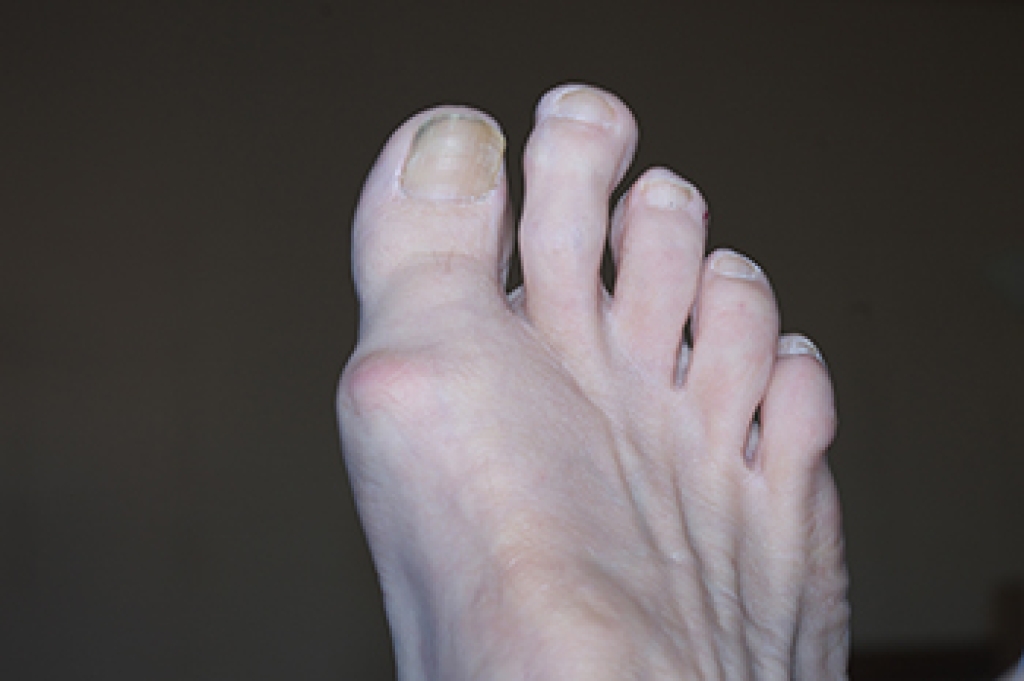
Morton’s toe is a common foot structure in which the second toe appears longer than the big toe. Also called Morton’s foot, this condition occurs when the first metatarsal bone, which connects to the big toe, is shorter than the second metatarsal bone. As a result, the second toe may extend farther outward than the big toe. Although this foot shape is often harmless, it can affect how weight is distributed across the foot during walking or standing.
The appearance of Morton’s toe varies from person to person, but the longer second toe is its most noticeable feature. This structure usually develops naturally and is often inherited. It is not caused by wearing the wrong shoes or participating in sports. However, wearing tight footwear can place extra pressure on the second toe, especially when the toe presses against the front of the shoe. Shoes with adequate toe room may help reduce discomfort and allow the toes to move more comfortably throughout the day.
Morton’s toe does not always cause pain, and many people have this foot structure without experiencing problems. When symptoms develop, they may include soreness beneath the ball of the foot, discomfort while walking, and irritation around the second toe. Some people develop calluses because pressure is concentrated in certain areas. High-impact activities or prolonged standing may make symptoms worse. If pain persists, a podiatrist can examine your foot, evaluate your walking pattern, and determine whether Morton’s toe contributes to discomfort. An examination may include imaging tests when needed to assess the underlying bone structure.
Treatment depends on the symptoms and how Morton’s toe affects daily activities. A podiatrist may recommend wearing supportive shoes with a wide toe box, cushioned insoles, or custom orthotics to improve pressure distribution. Padding also helps protect sensitive areas and reduce friction during movement. The podiatrist can also address calluses and evaluate other possible causes of foot pain. Surgery is rarely necessary, but may be considered in severe cases when conservative treatments do not provide relief. If you have Morton’s toe, it is suggested that you consult a podiatrist for effective relief and management tips.
If you have any concerns about your feet, contact Wendy L. Grossman, DPM from New Jersey. Our doctor can provide the care you need to keep you pain-free and on your feet.
Biomechanics in Podiatry
Podiatric biomechanics is a particular sector of specialty podiatry with licensed practitioners who are trained to diagnose and treat conditions affecting the foot, ankle and lower leg. Biomechanics deals with the forces that act against the body, causing an interference with the biological structures. It focuses on the movement of the ankle, the foot and the forces that interact with them.
A History of Biomechanics
- Biomechanics dates back to the BC era in Egypt where evidence of professional foot care has been recorded.
- In 1974, biomechanics gained a higher profile from the studies of Merton Root, who claimed that by changing or controlling the forces between the ankle and the foot, corrections or conditions could be implemented to gain strength and coordination in the area.
Modern technological improvements are based on past theories and therapeutic processes that provide a better understanding of podiatric concepts for biomechanics. Computers can provide accurate information about the forces and patterns of the feet and lower legs.
Understanding biomechanics of the feet can help improve and eliminate pain, stopping further stress to the foot.
If you have any questions please feel free to contact our office located in Bloomfield, NJ . We offer the newest diagnostic and treatment technologies for all your foot and ankle needs.
