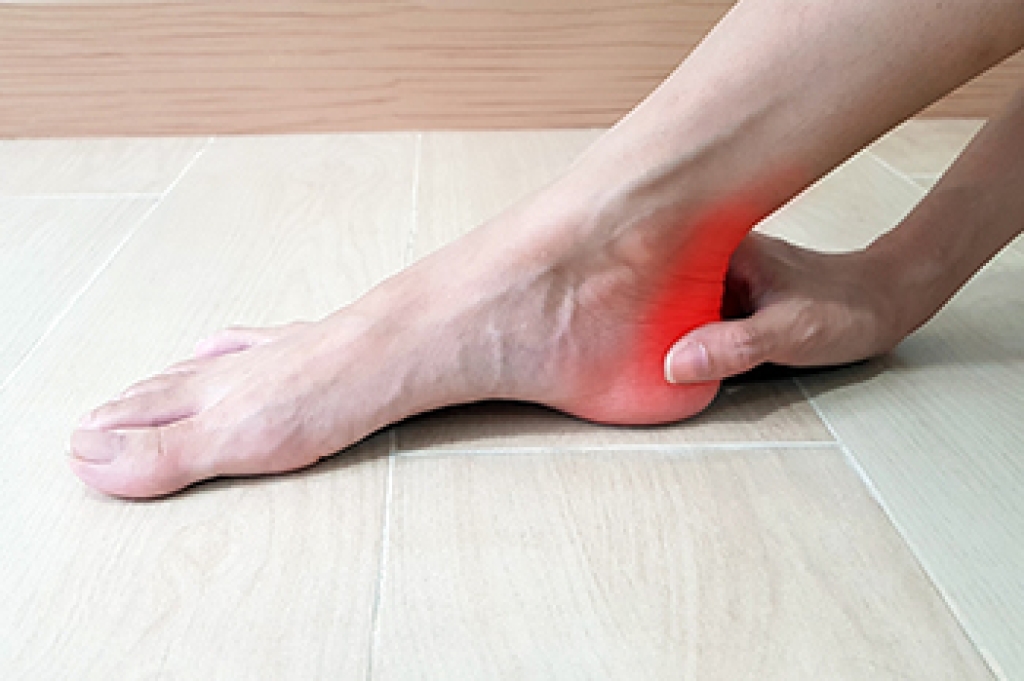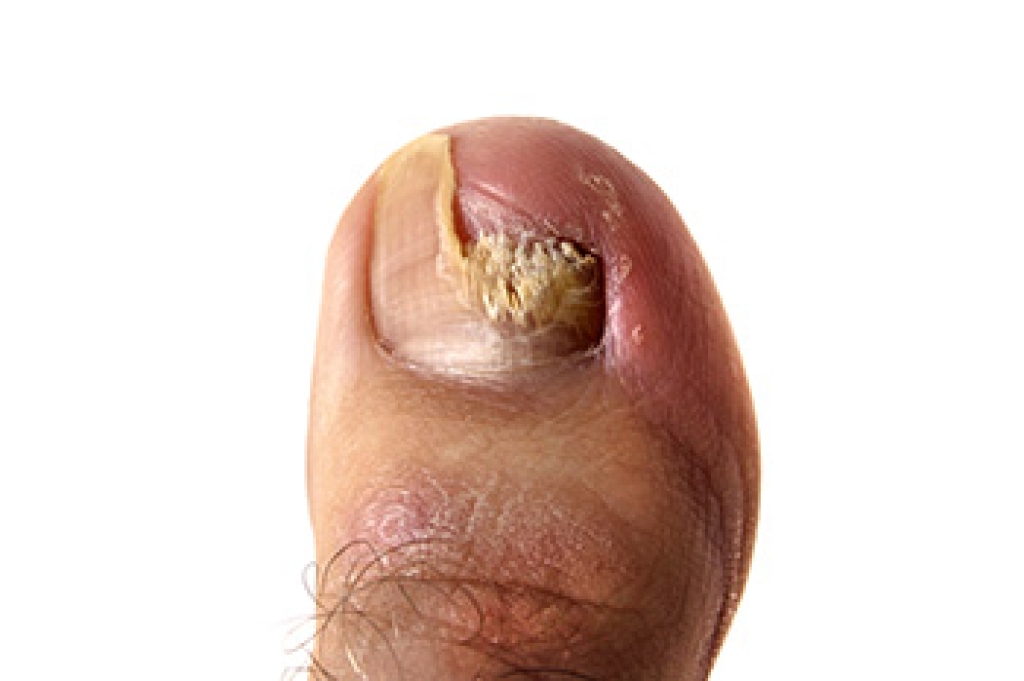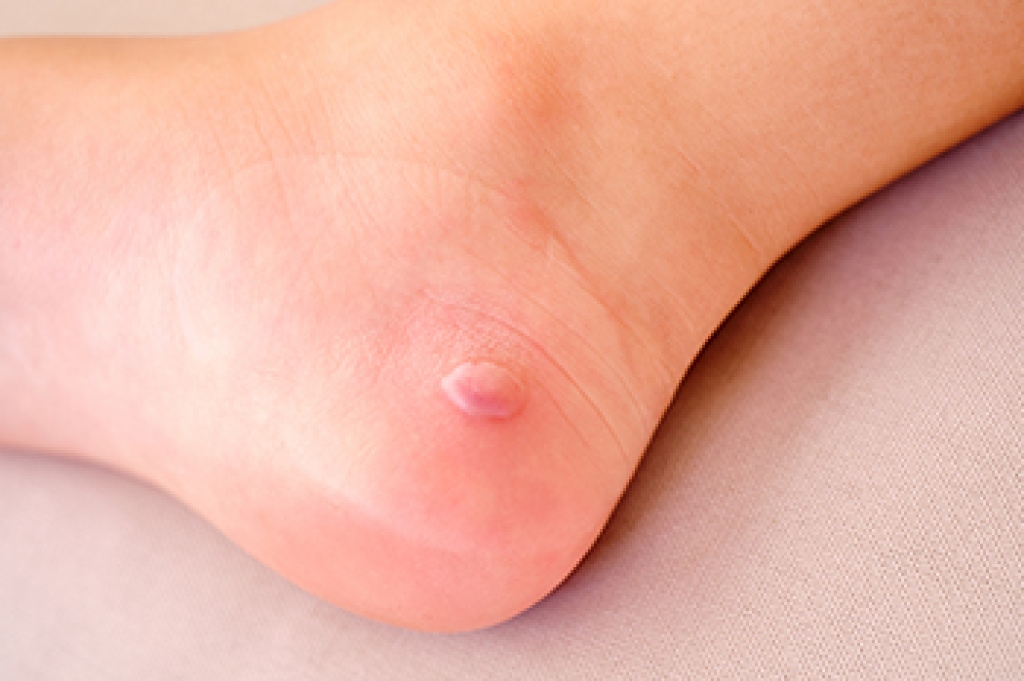
Fracture Blisters and When to Seek Care

A fracture blister is a skin reaction that develops after a bone is fractured, usually in areas where the skin is thin and close to the underlying bone. These blisters form due to swelling and increased pressure, and they can appear within hours or days of the injury. Symptoms may include clear or blood-filled blisters, tight skin on top of the blisters, redness, and tenderness around the injured area. This type of blister indicates significant trauma and requires careful management to prevent infection and complications. A podiatrist can evaluate the injury, protect the skin, and provide guidance for safe healing while addressing the underlying fracture. If you notice blisters after an injury, it is suggested that you promptly consult a podiatrist for proper treatment and protection.

Blisters may appear as a single bubble or in a cluster. They can cause a lot of pain and may be filled with pus, blood, or watery serum. If your feet are hurting, contact Wendy L. Grossman, DPM of New Jersey. Our doctor can provide the care you need to keep you pain-free and on your feet.

Foot Blisters

Foot blisters are often the result of friction. This happens due to the constant rubbing from shoes, which can lead to pain.

What Are Foot Blisters?

A foot blister is a small fluid-filled pocket that forms on the upper-most layer of the skin. Blisters are filled with clear fluid and can lead to blood drainage or pus if the area becomes infected.

Symptoms

(Blister symptoms may vary depending on what is causing them)

  • Bubble of skin filled with fluid
  • Redness
  • Moderate to severe pain
  • Itching

Prevention & Treatment

In order to prevent blisters, you should be sure to wear comfortable shoes with socks that cushion your feet and absorb sweat. Breaking a blister open may increase your chances of developing an infection. However, if your blister breaks, you should wash the area with soap and water immediately and then apply a bandage to the affected area. If your blisters cause severe pain it is important that you call your podiatrist right away.

If you have any questions, please feel free to contact our office located in Bloomfield, NJ . We offer the newest diagnostic and treatment technologies for all your foot care needs.

Read more about Blisters on the Feet

Are You Suffering From Nerve Damage?

Neuropathy is a condition that can lead to numbness or loss of sensation in the feet, but it can also cause pain. This condition is more likely to develop for those who are diabetic, obese, or with high blood pressure.

How Gout and Pseudogout Differ

Gout and pseudogout both cause sudden joint pain in the feet, but they come from different types of crystal buildup. Gout occurs when uric acid crystals form in a joint, usually in the big toe, causing redness, swelling, and intense pain. Pseudogout occurs when calcium crystals form in the cartilage and move into the joint, often affecting the ankle or midfoot. Both can cause warmth, tenderness, and stiffness that make it difficult to stand or walk. The pain from pseudogout can last longer and affect more than one joint, while gout usually affects one joint at a time. A podiatrist can determine which condition is present by examining the joint, ordering X-rays, or testing a small sample of joint fluid. Early diagnosis helps reduce pain and protect the joints from lasting damage. If you suffer from gout flare-ups, it is suggested that you make an appointment with a podiatrist for a diagnosis and treatment.

Gout is a painful condition that can be treated. If you are seeking treatment, contact Wendy L. Grossman, DPM from New Jersey. Our doctor will treat your foot and ankle needs.

What Is Gout?

Gout is a form of arthritis that is characterized by sudden, severe attacks of pain, redness, and tenderness in the joints. The condition usually affects the joint at the base of the big toe. A gout attack can occur at any random time, such as the middle of the night while you are asleep.

Symptoms

  • Intense Joint Pain - Usually around the large joint of your big toe, and it most severe within the first four to twelve hours
  • Lingering Discomfort - Joint discomfort may last from a few days to a few weeks
  • Inflammation and Redness -Affected joints may become swollen, tender, warm and red
  • Limited Range of Motion - May experience a decrease in joint mobility

Risk Factors

  • Genetics - If family members have gout, you’re more likely to have it
  • Medications - Diuretic medications can raise uric acid levels
  • Gender/Age - Gout is more common in men until the age of 60. It is believed that estrogen protects women until that point
  • Diet - Eating red meat and shellfish increases your risk
  • Alcohol - Having more than two alcoholic drinks per day increases your risk
  • Obesity - Obese people are at a higher risk for gout

Prior to visiting your podiatrist to receive treatment for gout, there are a few things you should do beforehand. If you have gout you should write down your symptoms--including when they started and how often you experience them, important medical information you may have, and any questions you may have. Writing down these three things will help your podiatrist in assessing your specific situation so that he or she may provide the best route of treatment for you.

If you have any questions, please feel free to contact our office located in Bloomfield, NJ . We offer the newest diagnostic and treatment technologies for all your foot care needs.

Read more about Everything You Need to Know About Gout

Ways Seniors Can Help Prevent Falling

Falls in older adults often stem from both internal factors, such as poor balance or weakened muscles, and external factors like shoes that lack adequate support. The feet play a central role in stability, especially among the senior population. Even minor problems like corns, calluses, or loss of sensation from neuropathy can affect balance. Ill-fitting shoes, slippery soles, or loose flip-flops increase the risk of slipping. Stiff or worn-down footwear can alter gait and make it harder to react to uneven surfaces. Regular foot exams are important to detect changes in joint flexibility, arch collapse, or reduced feeling in the toes, which can interfere with safe walking. A podiatrist can evaluate foot strength and structure, prescribe custom orthotic inserts for support, and recommend footwear that improves balance and traction. If you have fallen or are at risk for falling, it is suggested that you make an appointment with a podiatrist for an exam and guidance.

Preventing falls among the elderly is very important. If you are older and have fallen or fear that you are prone to falling, consult with Wendy L. Grossman, DPM from New Jersey. Our doctor will assess your condition and provide you with quality advice and care.

Every 11 seconds, an elderly American is being treated in an emergency room for a fall related injury. Falls are the leading cause of head and hip injuries for those 65 and older. Due to decreases in strength, balance, senses, and lack of awareness, elderly persons are very susceptible to falling. Thankfully, there are a number of things older persons can do to prevent falls.

How to Prevent Falls

Some effective methods that older persons can do to prevent falls include:

  • Enrolling in strength and balance exercise program to increase balance and strength
  • Periodically having your sight and hearing checked
  • Discuss any medications you have with a doctor to see if it increases the risk of falling
  • Clearing the house of falling hazards and installing devices like grab bars and railings
  • Utilizing a walker or cane
  • Wearing shoes that provide good support and cushioning
  • Talking to family members about falling and increasing awareness

Falling can be a traumatic and embarrassing experience for elderly persons; this can make them less willing to leave the house, and less willing to talk to someone about their fears of falling. Doing such things, however, will increase the likelihood of tripping or losing one’s balance. Knowing the causes of falling and how to prevent them is the best way to mitigate the risk of serious injury.  

If you have any questions, please feel free to contact our office located in Bloomfield, NJ . We offer the newest diagnostic and treatment technologies for all your foot care needs.
Read more about Falls Prevention

Understanding Heel Pain in the Morning

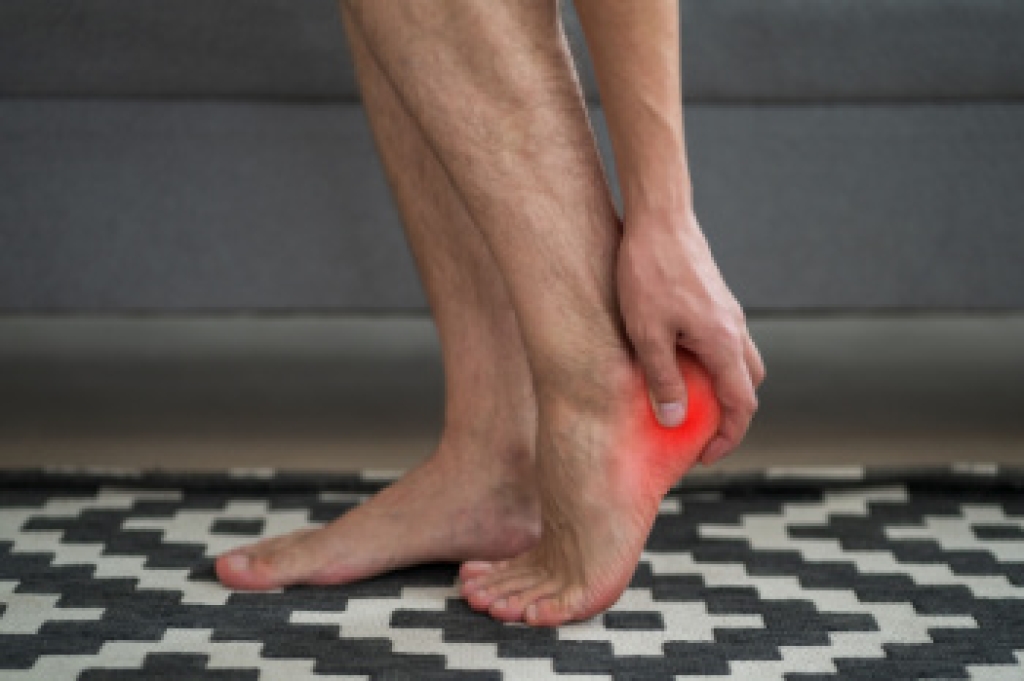
Heel pain in the morning can make those first steps of the day uncomfortable and difficult. Common causes include plantar fasciitis, which creates sharp pain from inflammation of the tissue along the bottom of the foot, and Achilles tendinitis, which causes stiffness and soreness at the back of the heel. Rheumatoid arthritis can lead to joint swelling and tenderness, while hypothyroidism may cause muscle and joint discomfort that contributes to heel pain. A podiatrist can evaluate the underlying cause through examination and imaging tests, then develop a personalized treatment plan to relieve pain and restore mobility. If morning heel pain is affecting your daily routine, it is suggested that you visit a podiatrist who can determine what the cause is, and offer effective relief and treatment solutions. 

Many people suffer from bouts of heel pain. For more information, contact Wendy L. Grossman, DPM of New Jersey. Our doctor can provide the care you need to keep you pain-free and on your feet.

Causes of Heel Pain

Heel pain is often associated with plantar fasciitis. The plantar fascia is a band of tissues that extends along the bottom of the foot. A rip or tear in this ligament can cause inflammation of the tissue.

Achilles tendonitis is another cause of heel pain. Inflammation of the Achilles tendon will cause pain from fractures and muscle tearing. Lack of flexibility is also another symptom.

Heel spurs are another cause of pain. When the tissues of the plantar fascia undergo a great deal of stress, it can lead to ligament separation from the heel bone, causing heel spurs.

Why Might Heel Pain Occur?

  • Wearing ill-fitting shoes                
  • Wearing non-supportive shoes
  • Weight change           
  • Excessive running

Treatments

Heel pain should be treated as soon as possible for immediate results. Keeping your feet in a stress-free environment will help. If you suffer from Achilles tendonitis or plantar fasciitis, applying ice will reduce the swelling. Stretching before an exercise like running will help the muscles. Using all these tips will help make heel pain a condition of the past.

If you have any questions, please feel free to contact our office located in Bloomfield, NJ . We offer the newest diagnostic and treatment technologies for all your foot care needs.
Read more about Heel Pain

Causes of Warm or Hot Feet

Warm or hot feet can be uncomfortable and may signal an underlying issue. Common causes include long hours of standing or walking, wearing shoes that do not allow airflow, or having a medical condition that affects circulation. Athlete’s foot, which is a fungal infection, can also cause heat, itching, and burning sensations. Nutrient deficiencies, particularly in B vitamins, may contribute to nerve irritation, while peripheral neuropathy related to diabetes or other conditions can cause persistent warmth or burning pain. A podiatrist can perform a thorough evaluation to identify the cause, treat infections, manage nerve conditions, and recommend proper footwear. If your feet have become unusually warm or hot, it is suggested that you schedule an appointment with a podiatrist who can offer effective relief and treatment solutions. 

Foot Pain

Foot pain can be extremely painful and debilitating. If you have a foot pain, consult with Wendy L. Grossman, DPM  from New Jersey. Our doctor will assess your condition and provide you with quality foot and ankle treatment.

Causes

Foot pain is a very broad condition that could be caused by one or more ailments. The most common include:

  • Bunions
  • Hammertoes
  • Plantar Fasciitis
  • Bone Spurs
  • Corns
  • Tarsal Tunnel Syndrome
  • Ingrown Toenails
  • Arthritis (such as Gout, Rheumatoid, and Osteoarthritis)
  • Flat Feet
  • Injury (from stress fractures, broken toe, foot, ankle, Achilles tendon ruptures, and sprains)
  • And more

Diagnosis

To figure out the cause of foot pain, podiatrists utilize several different methods. This can range from simple visual inspections and sensation tests to X-rays and MRI scans. Prior medical history, family medical history, and any recent physical traumatic events will all be taken into consideration for a proper diagnosis.

Treatment

Treatment depends upon the cause of the foot pain. Whether it is resting, staying off the foot, or having surgery; podiatrists have a number of treatment options available for foot pain.

If you have any questions, please feel free to contact our office located in Bloomfield, NJ . We offer the newest diagnostic and treatment technologies for all your foot care needs.
Read more about Foot Pain

Is My Toe Bruised or Broken?

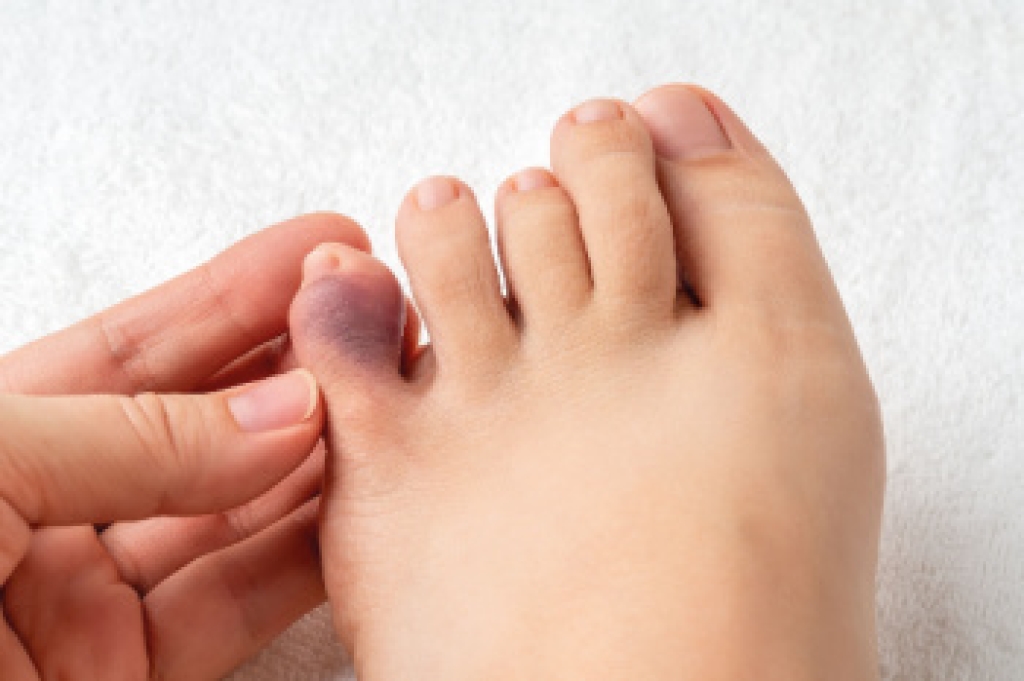
A broken toe is a fracture in one of the small bones of the toe, often caused by stubbing it hard, dropping something heavy on it, or sustaining a sports injury. In many cases both bruising and breaking result in pain and swelling. However, a broken toe typically causes sharper pain, possible deformity, and trouble walking, whereas bruising usually improves with rest and time. Proper diagnosis is important to prevent long-term problems, such as stiffness or misalignment. A podiatrist can confirm the injury with X-rays and provide treatment that  includes splinting, taping, or special footwear for protection. Do not ignore persistent pain or swelling. If you have injured your toe, it is suggested that you promptly consult a podiatrist who can provide an accurate diagnosis and treatment.

A broken toe can be very painful and lead to complications if not properly fixed. If you have any concerns about your feet, contact Wendy L. Grossman, DPM from New Jersey. Our doctor will treat your foot and ankle needs.

What to Know About a Broken Toe

Although most people try to avoid foot trauma such as banging, stubbing, or dropping heavy objects on their feet, the unfortunate fact is that it is a common occurrence. Given the fact that toes are positioned in front of the feet, they typically sustain the brunt of such trauma. When trauma occurs to a toe, the result can be a painful break (fracture).

Symptoms of a Broken Toe

  • Throbbing pain
  • Swelling
  • Bruising on the skin and toenail
  • The inability to move the toe
  • Toe appears crooked or disfigured
  • Tingling or numbness in the toe

Generally, it is best to stay off of the injured toe with the affected foot elevated.

Severe toe fractures may be treated with a splint, cast, and in some cases, minor surgery. Due to its position and the pressure it endures with daily activity, future complications can occur if the big toe is not properly treated.

If you have any questions, please feel free to contact our office located in Bloomfield, NJ . We offer the newest diagnostic and treatment technologies for all your foot care needs.

Read more about What to Know About a Broken Toe

Understanding the Achille’s Tendon

The Achilles tendon is the largest and strongest tendon in the human body, connecting the calf muscles, the gastrocnemius and soleus, to the heel bone, or calcaneus. Structurally, it is composed of dense collagen fibers arranged in parallel bundles that provide both strength and flexibility. These fibers allow the tendon to withstand high tension during activities like walking, running, and jumping. The tendon is surrounded by a sheath that helps reduce friction and provides lubrication for smooth movement. Functionally, the Achilles tendon plays a key role in movement and stability. It transmits the powerful force generated by the calf muscles to lift the heel off the ground, enabling push-off during walking or sprinting. It also helps maintain balance and absorb shock during impact. Because of the stress it endures, the Achilles tendon is prone to overuse injuries, especially in athletes and active individuals. If you have Achilles tendon pain, it is suggested that you see a podiatrist for a diagnosis and appropriate treatment.

Achilles tendon injuries need immediate attention to avoid future complications. If you have any concerns, contact Wendy L. Grossman, DPM of New Jersey. Our doctor can provide the care you need to keep you pain-free and on your feet.

What Is the Achilles Tendon?

The Achilles tendon is a tendon that connects the lower leg muscles and calf to the heel of the foot. It is the strongest tendon in the human body and is essential for making movement possible. Because this tendon is such an integral part of the body, any injuries to it can create immense difficulties and should immediately be presented to a doctor.

What Are the Symptoms of an Achilles Tendon Injury?

There are various types of injuries that can affect the Achilles tendon. The two most common injuries are Achilles tendinitis and ruptures of the tendon.

Achilles Tendinitis Symptoms

  • Inflammation
  • Dull to severe pain
  • Increased blood flow to the tendon
  • Thickening of the tendon

Rupture Symptoms

  • Extreme pain and swelling in the foot
  • Total immobility

Treatment and Prevention

Achilles tendon injuries are diagnosed by a thorough physical evaluation, which can include an MRI. Treatment involves rest, physical therapy, and in some cases, surgery. However, various preventative measures can be taken to avoid these injuries, such as:

  • Thorough stretching of the tendon before and after exercise
  • Strengthening exercises like calf raises, squats, leg curls, leg extensions, leg raises, lunges, and leg presses

If you have any questions please feel free to contact our office located in Bloomfield, NJ . We offer the newest diagnostic tools and technology to treat your foot and ankle needs.

Read more about The Causes, Types, and Treatments of Achilles Tendon Injuries

The Hidden Struggles of Fungal Toenails

Fungal nails, medically known as onychomycosis, are caused by fungi infecting the nail bed. This is often due to warm, moist environments, poor foot hygiene, or minor nail injuries. Symptoms typically include thickened, discolored nails that may appear yellow, white, or brown. The toenails can become brittle, crumbly, or distorted, sometimes accompanied by a foul odor. Although fungal nails are often painless, they can cause discomfort when wearing shoes or walking. A podiatrist can accurately diagnose fungal toenail infections through a physical examination and laboratory testing. Treatment options include topical antifungal medication, oral antifungal drugs, or professional nail debridement to remove infected tissue. Because fungal toenail infections can worsen over time and spread to other nails, early diagnosis and treatment are important. To protect your toenail health and prevent further complications, it is suggested that you make an appointment with a podiatrist.

For more information about treatment, contact Wendy L. Grossman, DPM of New Jersey. Our doctor can provide the care you need to keep you pain-free and on your feet.

Toenail Fungus Treatment

Toenail fungus is a condition that affects many people and can be especially hard to get rid of. Fortunately, there are several methods to go about treating and avoiding it.

Antifungals & Deterrence

Oral antifungal medicine has been shown to be effective in many cases. It is important to consult with a podiatrist to determine the proper regiment for you, or potentially explore other options.

Applying foot powder on the feet and shoes helps keep the feet free of moisture and sweat.

Sandals or open toed shoes – Wearing these will allow air movement and help keep feet dry. They also expose your feet to light, which fungus cannot tolerate. Socks with moisture wicking material also help as well.

If you have any questions please contact our office located in Bloomfield, NJ . We offer the newest diagnostic and treatment technologies for all your foot and ankle needs.

Read more about How to Treat Your Toenail Fungus

Connect With Us