Causes of Peripheral Neuropathy

Peripheral neuropathy is a condition resulting from damage to the peripheral nerves, which connect the brain and spinal cord to the rest of the body. It often occurs due to diabetes, infections, injuries, or exposure to toxins. Diagnosis involves a thorough medical history review, physical examination, and tests like nerve conduction studies, electromyography, or EMGs, and blood tests to determine underlying causes. Symptoms can include numbness, tingling, burning sensations, and pain, usually starting in the hands and feet. Muscle weakness and sensitivity to touch are also common. These symptoms can lead to complications like balance problems, foot ulcers, and infections due to unnoticed injuries. Treatment focuses on managing the underlying cause, relieving symptoms, and preventing complications. This may include medications, gentle exercises, and lifestyle changes such as improving diet and controlling blood sugar levels. If you have peripheral neuropathy, it is suggested that you visit  a podiatrist for a proper diagnosis and management.

Neuropathy

Neuropathy can be a potentially serious condition, especially if it is left undiagnosed. If you have any concerns that you may be experiencing nerve loss in your feet, consult with Wendy L. Grossman, DPM  from New Jersey. Our doctor will assess your condition and provide you with quality foot and ankle treatment for neuropathy.

What Is Neuropathy?

Neuropathy is a condition that leads to damage to the nerves in the body. Peripheral neuropathy, or neuropathy that affects your peripheral nervous system, usually occurs in the feet. Neuropathy can be triggered by a number of different causes. Such causes include diabetes, infections, cancers, disorders, and toxic substances.

Symptoms of Neuropathy Include:

  • Numbness
  • Sensation loss
  • Prickling and tingling sensations
  • Throbbing, freezing, burning pains
  • Muscle weakness

Those with diabetes are at serious risk due to being unable to feel an ulcer on their feet. Diabetics usually also suffer from poor blood circulation. This can lead to the wound not healing, infections occurring, and the limb may have to be amputated.

Treatment

To treat neuropathy in the foot, podiatrists will first diagnose the cause of the neuropathy. Figuring out the underlying cause of the neuropathy will allow the podiatrist to prescribe the best treatment, whether it be caused by diabetes, toxic substance exposure, infection, etc. If the nerve has not died, then it’s possible that sensation may be able to return to the foot.

Pain medication may be issued for pain. Electrical nerve stimulation can be used to stimulate nerves. If the neuropathy is caused from pressure on the nerves, then surgery may be necessary.

If you have any questions, please feel free to contact our office located in Bloomfield, NJ . We offer the newest diagnostic and treatment technologies for all your foot care needs.

Read more about Neuropathy

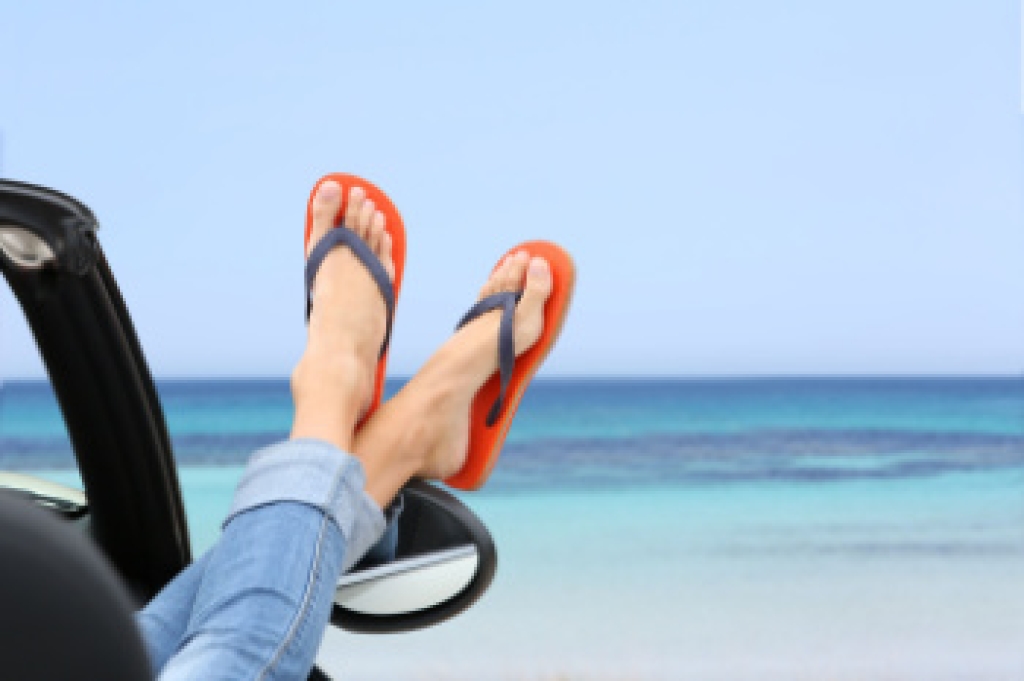
The Hidden Dangers of Flip-Flops on Your Feet

Flip-flops, though convenient, can be harsh on your feet, especially for individuals at risk like those with diabetes. The lack of support in flip-flops leads to improper heel strike, causing stress on the heels and increasing the risk of plantar fasciitis. Further, to keep the flip flops on, wearers often grip with their toes, which can cause muscle strain and negatively affect conditions like hammertoes. For people with diabetes, the minimal protection provided by flip-flops increases the risk of cuts, blisters, and infections due to decreased sensation and poor wound healing. Additionally, the flat design offers little or no arch support, leading to pain and discomfort in the feet and ankles. If you have foot pain as a result of wearing flip-flops, it is suggested that you consult a podiatrist who can offer you relief tips, in addition to guiding you on more favorable footwear choices.

Flip-flops can cause a lot of problems for your feet. If you have any concerns about your feet or ankles, contact Wendy L. Grossman, DPM from New Jersey. Our doctor will assist you with all of your foot and ankle needs.

Flip-Flops and Feet

Flip-flops have managed to become a summer essential for a lot of people. While the shoes may be stylish and easy to slip on and off, they can be dangerous to those who wear them too often. These shoes might protect you from fungal infections such as athlete’s foot, but they can also give you foot pain and sprained ankles if you trip while wearing them.

When Are They Okay to Wear?

Flip-flops should only be worn for very short periods of time. They can help protect your feet in places that are crawling with fungi, such as gym locker rooms. Athlete’s foot and plantar warts are two common fungi that flip-flops may help protect your feet against.

Why Are They Bad for My Feet?

These shoes do not offer any arch support, so they are not ideal for everyday use. They also do not provide shock absorption or heel cushioning which can be problematic for your feet. Additionally, you may suffer from glass cuts, puncture wounds, and stubbed toes since they offer little protection for your feet.

More Reasons Why They Are Bad for Your Feet

  • They Slow You Down
  • May Cause Blisters and Calluses
  • Expose Your Feet to Bacteria

If you have any questions, please feel free to contact our office located in Bloomfield, NJ . We offer the newest diagnostic and treatment technologies for all your foot care needs.

Read more about Flipping Out About Flip Flops

Effective and Easy Exercises for Plantar Fasciitis Relief

Relieving plantar fasciitis pain can be achieved through simple exercises that stretch and strengthen the foot. One effective exercise is the calf stretch, where you lean against a wall with one leg extended back and the other bent forward, stretching the calf muscles and reducing tension on the plantar fascia. The toe stretch involves sitting down and pulling your toes back toward your shin, helping to loosen the fascia. Rolling a tennis ball or frozen water bottle under your foot can massage and alleviate pain. Performing foot flexes by sitting with your legs straight and using a towel to pull your toes toward you can also provide relief. Consistently practicing these exercises can reduce pain and inflammation, promoting healing and preventing future flare-ups. If you have plantar fasciitis and are seeking additional effective foot stretches for relief, it is suggested that you visit a podiatrist, who can provide you with the information you are seeking.

Plantar fasciitis can be very painful and inconvenient. If you are experiencing heel pain or symptoms of plantar fasciitis, contact Wendy L. Grossman, DPM  from New Jersey. Our doctor can provide the care you need to keep you pain-free and on your feet.

What Is Plantar Fasciitis?

Plantar fasciitis is the inflammation of the thick band of tissue that runs along the bottom of your foot, known as the plantar fascia, and causes mild to severe heel pain.

What Causes Plantar Fasciitis?

  • Excessive running
  • Non-supportive shoes
  • Overpronation
  • Repeated stretching and tearing of the plantar fascia

How Can It Be Treated?

  • Conservative measures – anti-inflammatories, ice packs, stretching exercises, physical therapy, orthotic devices
  • Shockwave therapy – sound waves are sent to the affected area to facilitate healing and are usually used for chronic cases of plantar fasciitis
  • Surgery – usually only used as a last resort when all else fails. The plantar fascia can be surgically detached from the heel

While very treatable, plantar fasciitis is definitely not something that should be ignored. Especially in severe cases, speaking to your doctor right away is highly recommended to avoid complications and severe heel pain. Your podiatrist can work with you to provide the appropriate treatment options tailored to your condition.

If you have any questions, please feel free to contact our office located in Bloomfield, NJ . We offer the newest diagnostic and treatment technologies for all your foot care needs.

Read more about Plantar Fasciitis

Reminder: When Was the Last Time...?

Custom orthotics, or shoe inserts, should be periodically replaced. Orthotics must fit properly to give you the best results. Protect your feet and ankles!

Divers Can Develop Fin Foot

Divers should be wary of  a condition known as fin foot, causing swollen and tender feet after diving, often exacerbated in cold or rough waters. The discomfort of fin foot stems from reduced blood flow to the feet, due to factors like improper fin techniques or ill-fitting gear. Symptoms of fin foot can include swelling, redness, bruising to the toes, and pain while walking. Experts suggest that a diver experiencing these symptoms immediately cease diving, elevate their feet, and apply a warm compress for relief. Symptoms that persist beyond 48 hours warrant consultation with a podiatrist. Collaborating with a podiatrist ensures proper gear fit, including booties and fin straps. Adjustments, such as using larger booties or spring straps, can reduce the risk of recurrence. While edema in fin foot does not necessarily signify decompression sickness, divers are wise to remain vigilant to its effects. If you are experiencing post-dive foot problems, it is suggested that you schedule an appointment with a podiatrist. 

Ankle and foot injuries are common among athletes and in many sports. They can be caused by several problems and may be potentially serious. If you are feeling pain or think you were injured in a sporting event or when exercising, consult with Wendy L. Grossman, DPM from New Jersey. Our doctor will assess your condition and provide you with quality foot and ankle treatment.

Common Injuries

The most common injuries that occur in sporting activities include:

  • Achilles Tendonitis
  • Achilles Tendon Rupture
  • Ankle Sprains
  • Broken Foot
  • Plantar Fasciitis
  • Stress Fractures
  • Turf Toe

Symptoms

Symptoms vary depending upon the injury and in some cases, there may be no symptoms at all. However, in most cases, some form of symptom is experienced. Pain, aching, burning, bruising, tenderness, tightness or stiffness, sensation loss, difficulty moving, and swelling are the most common symptoms.

Treatment

Just as symptoms vary depending upon the injury, so do treatment options. A common treatment method is known as the RICE method. This method involves rest, applying ice, compression and elevating the afflicted foot or ankle. If the injury appears to be more serious, surgery might be required, such as arthroscopic or reconstructive surgery. Lastly, rehabilitation or therapy might be needed to gain full functionality in the afflicted area. Any discomfort experienced by an athlete must be evaluated by a licensed, reputable medical professional.  

If you have any questions please contact our office located in Bloomfield, NJ . We offer the newest diagnostic and treatment technologies for all your foot and ankle needs.

Read more about Sports Related Foot and Ankle Injuries

Connect With Us