
Suffering from this type of pain? You may have the foot condition known as Morton's neuroma. Morton's neuroma may develop as a result of ill-fitting footwear and existing foot deformities. We can help.
Suffering from this type of pain? You may have the foot condition known as Morton's neuroma. Morton's neuroma may develop as a result of ill-fitting footwear and existing foot deformities. We can help.
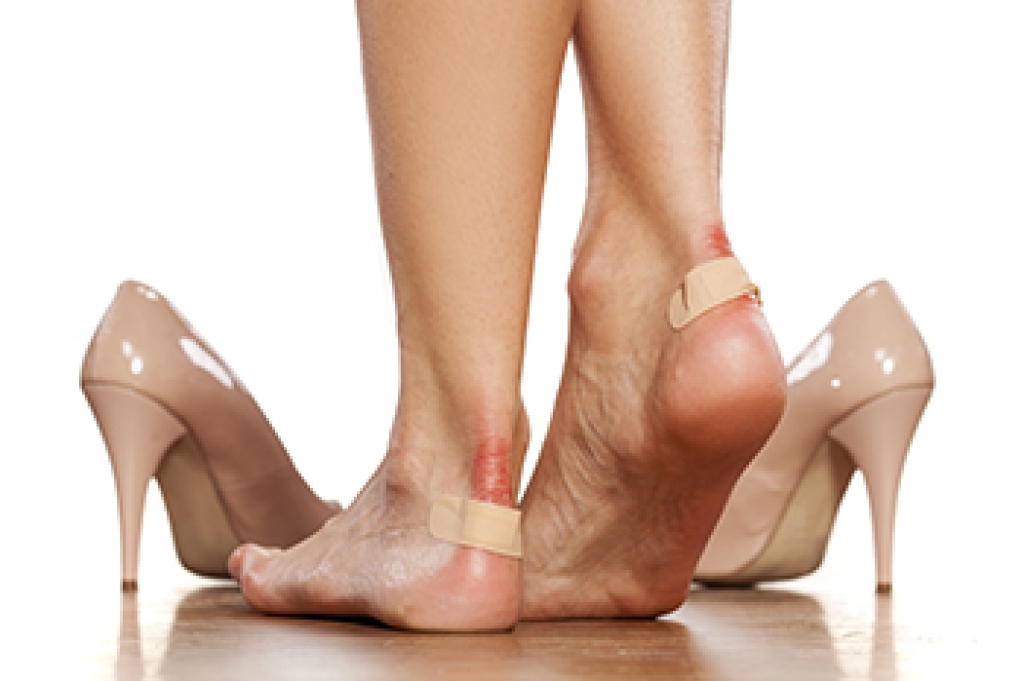
Wearing high heels can often lead to painful blisters on the feet. These blisters form due to excessive friction and pressure against the skin, which causes the outer layer to separate from the deeper layers. As a result, fluid accumulates in the space, forming a blister. High heels typically increase the likelihood of blisters because they alter the natural alignment of the foot and place pressure on areas that are not accustomed to such strain. To relieve and prevent blisters, opt for well-fitting, cushioned shoes that reduce friction. It is also helpful to give your feet regular breaks from high heels and to practice proper foot care, including moisturizing and keeping the skin healthy to reduce the risk of blisters. Blisters can be bothersome and may become infected. If you frequently develop blisters from wearing high heels, it is suggested that you contact a podiatrist who can offer effective relief and prevention techniques.
Blisters are prone to making everyday activities extremely uncomfortable. If your feet are hurting, contact Wendy L. Grossman, DPM of New Jersey. Our doctor can provide the care you need to keep you pain-free and on your feet.
Foot Blisters
Foot blisters develop as a result of constantly wearing tight or ill-fitting footwear. This happens due to the constant rubbing from the shoe, which can often lead to pain.
What Are Foot Blisters?
A foot blister is a small fluid-filled pocket that forms on the upper-most layer of the skin. Blisters are filled with clear fluid and can lead to blood drainage or pus if the area becomes infected.
How Do Blisters Form?
Blisters on the feet are often the result of constant friction of skin and material, usually by shoe rubbing. Walking in sandals, boots, or shoes that don’t fit properly for long periods of time can result in a blister. Having consistent foot moisture and humidity can easily lead to blister formation.
Prevention & Treatment
It is important to properly care for the affected area in order to prevent infection and ease the pain. Do not lance the blister and use a Band-Aid to provide pain relief. Also, be sure to keep your feet dry and wear proper fitting shoes. If you see blood or pus in a blister, seek assistance from a podiatrist.
If you have any questions, please feel free to contact our office located in Bloomfield, NJ . We offer the newest diagnostic and treatment technologies for all your foot care needs.

Preventing falls, especially in older adults, is essential for maintaining health and independence. As people age, factors such as muscle weakness, balance issues, and certain medical conditions can increase the likelihood of falls. Certain lifestyle changes can significantly reduce this risk. Regular exercise that focuses on strength, balance, and endurance is a key factor in preventing falls. Strengthening the core and legs improves stability, while activities like tai chi and yoga enhance balance. Further, ensuring that your home is free of hazards, like loose rugs or poor lighting, can create a safer environment. A podiatrist plays a vital role in fall prevention by assessing and addressing foot-related issues, which are often overlooked but critical for maintaining proper gait and balance. Custom orthotics, footwear recommendations, and treatment for any underlying foot problems can help reduce the risk of falls in older adults. If you have endured a foot injury from falling, it is suggested that you schedule an appointment with a podiatrist for treatment and fall prevention strategies.
Preventing falls among the elderly is very important. If you are older and have fallen or fear that you are prone to falling, consult with Wendy L. Grossman, DPM from New Jersey. Our doctor will assess your condition and provide you with quality advice and care.
Every 11 seconds, an elderly American is being treated in an emergency room for a fall related injury. Falls are the leading cause of head and hip injuries for those 65 and older. Due to decreases in strength, balance, senses, and lack of awareness, elderly persons are very susceptible to falling. Thankfully, there are a number of things older persons can do to prevent falls.
How to Prevent Falls
Some effective methods that older persons can do to prevent falls include:
Falling can be a traumatic and embarrassing experience for elderly persons; this can make them less willing to leave the house, and less willing to talk to someone about their fears of falling. Doing such things, however, will increase the likelihood of tripping or losing one’s balance. Knowing the causes of falling and how to prevent them is the best way to mitigate the risk of serious injury.
If you have any questions, please feel free to contact our office located in Bloomfield, NJ . We offer the newest diagnostic and treatment technologies for all your foot care needs.
Toe, foot, and ankle pain can stem from various conditions, each requiring specific attention. Achilles tendinitis, characterized by inflammation of the Achilles tendon, often results in heel and calf pain from overuse or strain. Bruises occur when blood vessels under the skin are damaged, causing localized pain and discoloration. Puncture wounds, typically from sharp objects, can lead to infection and persistent discomfort. Stress fractures, small cracks in the bones from repetitive stress, are common in athletes and cause gradual pain that worsens with activity. Additionally, plantar fasciitis, involving inflammation of the tissue connecting the heel to the toes, leads to sharp heel pain, especially noticeable in the morning. If you are experiencing foot, ankle, or toe pain, it is strongly suggested that you schedule an appointment with a podiatrist who can diagnose and treat any foot condition.
Foot Pain
Foot pain can be extremely painful and debilitating. If you have a foot pain, consult with Wendy L. Grossman, DPM from New Jersey. Our doctor will assess your condition and provide you with quality foot and ankle treatment.
Causes
Foot pain is a very broad condition that could be caused by one or more ailments. The most common include:
Diagnosis
To figure out the cause of foot pain, podiatrists utilize several different methods. This can range from simple visual inspections and sensation tests to X-rays and MRI scans. Prior medical history, family medical history, and any recent physical traumatic events will all be taken into consideration for a proper diagnosis.
Treatment
Treatment depends upon the cause of the foot pain. Whether it is resting, staying off the foot, or having surgery; podiatrists have a number of treatment options available for foot pain.
If you have any questions, please feel free to contact our office located in Bloomfield, NJ . We offer the newest diagnostic and treatment technologies for all your foot care needs.

If you are struggling with heel pain, a key step toward relief is to clearly describe the pain's location to your podiatrist. The source of heel pain can vary widely depending on where it occurs. For instance, pain at the back of the heel might point to issues with the Achilles tendon, the bursa, soft tissues, bones, or the heel’s growth plate. Pain on the bottom of the heel could be due to plantar fasciitis or fat pad atrophy. Treatment options are tailored to the specific cause of your pain. In addition to reviewing your medical history, your podiatrist will conduct a physical examination and may use tests or imaging studies like X-rays or ultrasounds to pinpoint the exact problem. If heel pain is affecting your daily life, it is suggested you make an appointment with a podiatrist to get a precise diagnosis, and start on the path to relief.
Many people suffer from bouts of heel pain. For more information, contact Wendy L. Grossman, DPM of New Jersey. Our doctor can provide the care you need to keep you pain-free and on your feet.
Causes of Heel Pain
Heel pain is often associated with plantar fasciitis. The plantar fascia is a band of tissues that extends along the bottom of the foot. A rip or tear in this ligament can cause inflammation of the tissue.
Achilles tendonitis is another cause of heel pain. Inflammation of the Achilles tendon will cause pain from fractures and muscle tearing. Lack of flexibility is also another symptom.
Heel spurs are another cause of pain. When the tissues of the plantar fascia undergo a great deal of stress, it can lead to ligament separation from the heel bone, causing heel spurs.
Why Might Heel Pain Occur?
Treatments
Heel pain should be treated as soon as possible for immediate results. Keeping your feet in a stress-free environment will help. If you suffer from Achilles tendonitis or plantar fasciitis, applying ice will reduce the swelling. Stretching before an exercise like running will help the muscles. Using all these tips will help make heel pain a condition of the past.
If you have any questions, please feel free to contact our office located in Bloomfield, NJ . We offer the newest diagnostic and treatment technologies for all your foot care needs.
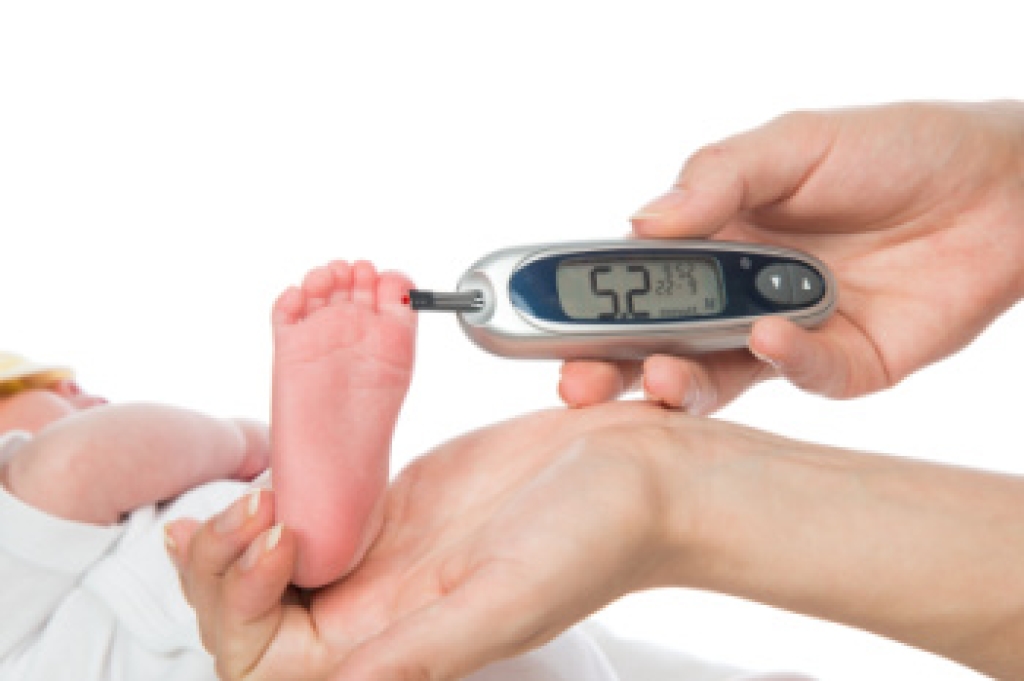 Diabetic foot is a term used to describe various complications that arise in the feet of individuals with diabetes. Due to prolonged high blood sugar levels, diabetic patients often experience nerve damage, neuropathy, and poor circulation. This can lead to a loss of sensation in the feet, making injuries and infections more likely and harder to detect and heal. Common issues include ulcers, infections, and, in severe cases, gangrene, which can necessitate amputation. To manage and prevent diabetic foot complications, daily foot care is crucial. Inspect your feet daily for cuts, blisters, redness, or swelling. Keep feet clean and moisturized, but avoid applying lotion between the toes to prevent fungal infections. Wear well-fitting shoes and avoid walking barefoot. If you have diabetes, it is strongly suggested that you make regular appointments with a podiatrist to monitor your foot health.
Diabetic foot care is important in preventing foot ailments such as ulcers. If you are suffering from diabetes or have any other concerns about your feet, contact Wendy L. Grossman, DPM from New Jersey. Our doctor can provide the care you need to keep you pain-free and on your feet.
Diabetic Foot Care
Diabetes affects millions of people every year. The condition can damage blood vessels in many parts of the body, especially the feet. Because of this, taking care of your feet is essential if you have diabetes, and having a podiatrist help monitor your foot health is highly recommended.
The Importance of Caring for Your Feet
Patients with diabetes should have their doctor monitor their blood levels, as blood sugar levels play such a huge role in diabetic care. Monitoring these levels on a regular basis is highly advised.
It is always best to inform your healthcare professional of any concerns you may have regarding your feet, especially for diabetic patients. Early treatment and routine foot examinations are keys to maintaining proper health, especially because severe complications can arise if proper treatment is not applied.
If you have any questions, please feel free to contact our office located in Bloomfield, NJ . We offer the newest diagnostic and treatment technologies for all your foot care needs.

Do you suffer from heel pain when you get up in the morning? If so, you should seek professional help and have a proper diagnosis performed. Heel pain can be caused by several different foot-related conditions.
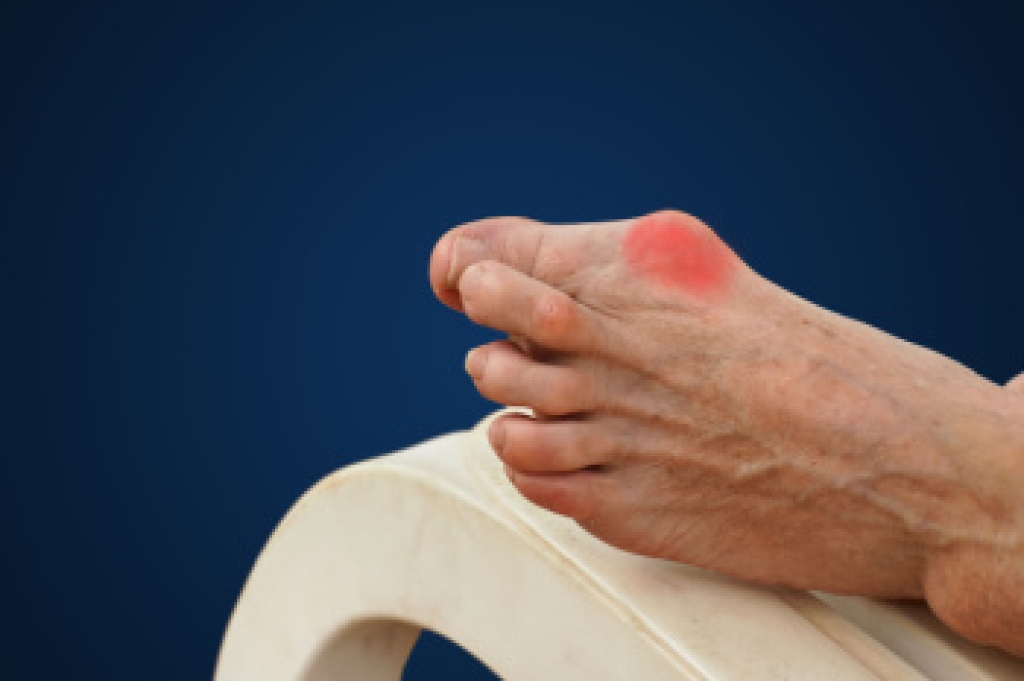
Bunions, along with other common foot issues, can significantly impact daily life. Symptoms of bunions include a bony bump at the base of the big toe, redness, swelling, and pain, which worsens with pressure from shoes. Corns and calluses may also develop due to friction. Treatment options vary based on severity. Mild cases may benefit from changes in footwear, padding, or orthotic inserts to alleviate pressure. Stretching exercises and ice packs can help manage pain and inflammation. In more severe cases, surgical correction may be necessary to realign the toe joint and relieve discomfort. It's important to address foot issues promptly to prevent them from worsening. Visiting a podiatrist ensures an accurate diagnosis and personalized treatment plan. Whether it is bunions, corns, or any other foot concern, it is suggested that you make an appointment with a podiatrist to get professional advice and treatment.
If you are suffering from bunions, contact Wendy L. Grossman, DPM of New Jersey. Our doctor can provide the care you need to keep you pain-free and on your feet.
What Is a Bunion?
A bunion is formed of swollen tissue or an enlargement of boney growth, usually located at the base joint of the toe that connects to the foot. The swelling occurs due to the bones in the big toe shifting inward, which impacts the other toes of the foot. This causes the area around the base of the big toe to become inflamed and painful.
Why Do Bunions Form?
Genetics – Susceptibility to bunions are often hereditary
Stress on the feet – Poorly fitted and uncomfortable footwear that places stress on feet, such as heels, can worsen existing bunions
How Are Bunions Diagnosed?
Doctors often perform two tests – blood tests and x-rays – when trying to diagnose bunions, especially in the early stages of development. Blood tests help determine if the foot pain is being caused by something else, such as arthritis, while x-rays provide a clear picture of your bone structure to your doctor.
How Are Bunions Treated?
If you have any questions, please feel free to contact our office located in Bloomfield, NJ . We offer the newest diagnostic and treatment technologies for all your foot care needs.
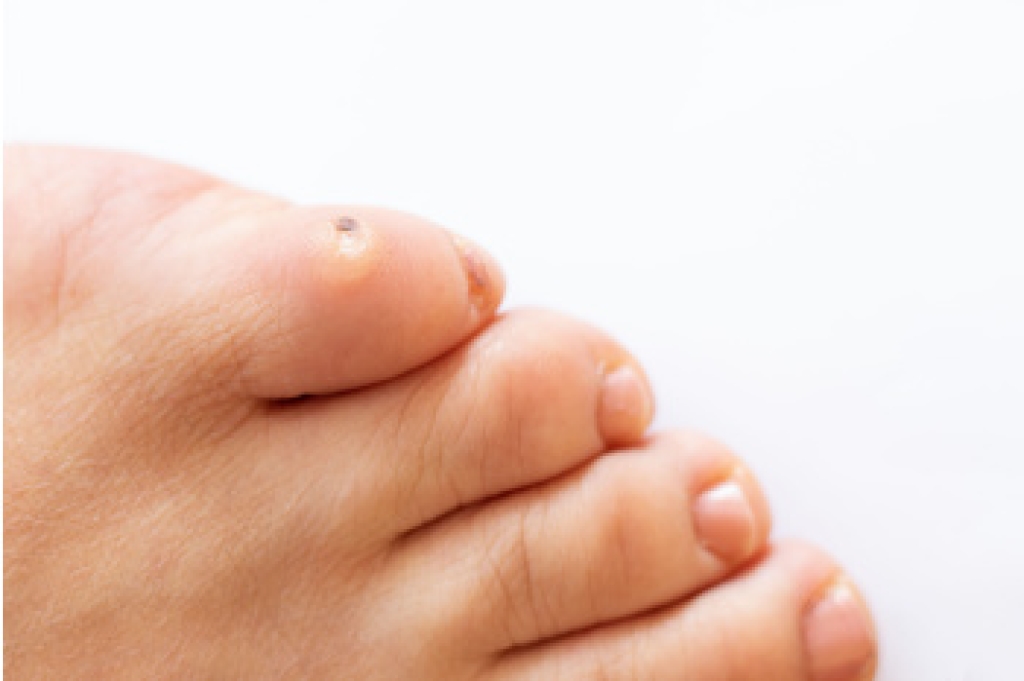
Corns, those pesky patches of thickened skin, can turn a simple walk into agony. Identifying them is key. Look for hardened areas on toes or feet, often with a cone-like shape pointing inward. They are caused by friction and pressure, typically from wearing ill-fitting shoes or repetitive actions. Treating corns involves gentle methods like soaking the feet in warm water, using a pumice stone to smooth the area, and moisturizing to prevent recurrence. Avoid over-the-counter corn removal products, as they can damage healthy skin. For persistent corns, or if you are unsure about treatment, it is wise to seek advice from a podiatrist. They can provide professional care, assess your foot health, and recommend appropriate courses of action. Do not let corns slow you down. It is suggested that you schedule an appointment with a podiatrist for personalized guidance and relief.
If you have any concerns regarding your feet and ankles, contact Wendy L. Grossman, DPM of New Jersey. Our doctor will treat your foot and ankle needs.
Corns: What Are They? and How Do You Get Rid of Them?
Corns can be described as areas of the skin that have thickened to the point of becoming painful or irritating. They are often layers and layers of the skin that have become dry and rough, and are normally smaller than calluses.
Ways to Prevent Corns
There are many ways to get rid of painful corns such as wearing:
Treating Corns
Treatment of corns involves removing the dead skin that has built up in the specific area of the foot. Consult with Our doctor to determine the best treatment option for your case of corns.
If you have any questions, please feel free to contact our office located in Bloomfield, NJ . We offer the newest diagnostic and treatment technologies for all your foot care needs.
 Peripheral neuropathy is a condition resulting from damage to the peripheral nerves, which connect the brain and spinal cord to the rest of the body. It often occurs due to diabetes, infections, injuries, or exposure to toxins. Diagnosis involves a thorough medical history review, physical examination, and tests like nerve conduction studies, electromyography, or EMGs, and blood tests to determine underlying causes. Symptoms can include numbness, tingling, burning sensations, and pain, usually starting in the hands and feet. Muscle weakness and sensitivity to touch are also common. These symptoms can lead to complications like balance problems, foot ulcers, and infections due to unnoticed injuries. Treatment focuses on managing the underlying cause, relieving symptoms, and preventing complications. This may include medications, gentle exercises, and lifestyle changes such as improving diet and controlling blood sugar levels. If you have peripheral neuropathy, it is suggested that you visit a podiatrist for a proper diagnosis and management.
Neuropathy
Neuropathy can be a potentially serious condition, especially if it is left undiagnosed. If you have any concerns that you may be experiencing nerve loss in your feet, consult with Wendy L. Grossman, DPM from New Jersey. Our doctor will assess your condition and provide you with quality foot and ankle treatment for neuropathy.
What Is Neuropathy?
Neuropathy is a condition that leads to damage to the nerves in the body. Peripheral neuropathy, or neuropathy that affects your peripheral nervous system, usually occurs in the feet. Neuropathy can be triggered by a number of different causes. Such causes include diabetes, infections, cancers, disorders, and toxic substances.
Symptoms of Neuropathy Include:
Those with diabetes are at serious risk due to being unable to feel an ulcer on their feet. Diabetics usually also suffer from poor blood circulation. This can lead to the wound not healing, infections occurring, and the limb may have to be amputated.
Treatment
To treat neuropathy in the foot, podiatrists will first diagnose the cause of the neuropathy. Figuring out the underlying cause of the neuropathy will allow the podiatrist to prescribe the best treatment, whether it be caused by diabetes, toxic substance exposure, infection, etc. If the nerve has not died, then it’s possible that sensation may be able to return to the foot.
Pain medication may be issued for pain. Electrical nerve stimulation can be used to stimulate nerves. If the neuropathy is caused from pressure on the nerves, then surgery may be necessary.
If you have any questions, please feel free to contact our office located in Bloomfield, NJ . We offer the newest diagnostic and treatment technologies for all your foot care needs.
Connect With Us
