Tarsal Tunnel Syndrome and How to Find Relief

Tarsal tunnel syndrome is a condition where the posterior tibial nerve is compressed as it passes through the tarsal tunnel near the ankle. This pressure can result from injury, inflammation, flat feet, or conditions like arthritis or diabetes. Symptoms include burning, tingling, numbness, or sharp pain in the foot and ankle. Among the risk factors are repetitive stress, poor foot mechanics, and prolonged standing. A podiatrist can diagnose the condition through physical exams and imaging, then create a treatment plan to reduce nerve pressure and manage discomfort. If you experience persistent foot pain or numbness, it is suggested that you consult a podiatrist who can accurately diagnose and treat what may be going on.

Tarsal tunnel syndrome can be very uncomfortable to live with. If you are experiencing tarsal tunnel syndrome, contact Wendy L. Grossman, DPM of New Jersey. Our doctor can provide the care you need to keep you pain-free and on your feet.

Tarsal Tunnel Syndrome

Tarsal tunnel syndrome, which can also be called tibial nerve dysfunction, is an uncommon condition of misfiring peripheral nerves in the foot. The tibial nerve is the peripheral nerve in the leg responsible for sensation and movement of the foot and calf muscles. In tarsal tunnel syndrome, the tibial nerve is damaged, causing problems with movement and feeling in the foot of the affected leg.

Common Cause of Tarsal Tunnel Syndrome

  • Involves pressure or an injury, direct pressure on the tibial nerve for an extended period of time, sometimes caused by other body structures close by or near the knee.
  • Diseases that damage nerves, including diabetes, may cause tarsal tunnel syndrome.
  • At times, tarsal tunnel syndrome can appear without an obvious cause in some cases.

The Effects of Tarsal Tunnel Syndrome

  • Different sensations, an afflicted person may experience pain, tingling, burning or other unusual sensations in the foot of the affected leg.
  • The foot muscles, toes and ankle become weaker, and curling your toes or flexing your foot can become difficult.
  • If condition worsens, infections and ulcers may develop on the foot that is experiencing the syndrome.

A physical exam of the leg can help identify the presence of tarsal tunnel syndrome. Medical tests, such as a nerve biopsy, are also used to diagnose the condition. Patients may receive physical therapy and prescriptive medication. In extreme cases, some may require surgery.

If you have any questions please contact our office located in Bloomfield, NJ . We offer the newest diagnostic and treatment technologies for all your foot and ankle needs.

Read more about Tarsal Tunnel Syndrome

Traumatic Foot Injuries Can Be Complex

Traumatic foot injuries often involve sudden force, such as a fall, twist, or direct impact. These injuries may damage soft tissues like ligaments, tendons, and muscles, in addition to affecting bones and joints. Sprains, ruptured tendons, dislocations, and severe bruising are common examples. Unlike overuse injuries that develop gradually, traumatic injuries cause immediate pain and often lead to swelling, bruising, or an inability to bear weight. Because the foot contains many small bones and delicate structures, even a single injury can affect balance and mobility. Prompt treatment helps prevent long-term complications. A podiatrist can assess the severity, recommend imaging, if needed, and guide recovery through bracing or surgery, if required. If you have experienced a sudden injury and your foot remains painful or unstable, it is suggested that you see a podiatrist for a full evaluation and appropriate treatment plan.

Foot and ankle trauma is common among athletes and the elderly. If you have concerns that you may have experienced trauma to the foot and ankle, consult with Wendy L. Grossman, DPM from New Jersey. Our doctor will assess your condition and provide you with quality foot and ankle treatment.

Foot and ankle trauma cover a range of injuries all over the foot; common injuries include:

  • Broken bones
  • Muscle strains
  • Injuries to the tendons and ligaments
  • Stress fractures

Symptoms

Symptoms of foot and ankle injuries vary depending on the injury, but more common ones include:

  • Bruising
  • Inflammation/ Swelling
  • Pain

Diagnosis

To properly diagnose the exact type of injury, podiatrists will conduct a number of different tests. Some of these include sensation and visual tests, X-rays, and MRIs. Medical and family histories will also be taken into account.

Treatment

Once the injury has been diagnosed, the podiatrist can than offer the best treatment options for you. In less severe cases, rest and keeping pressure off the foot may be all that’s necessary. Orthotics, such as a specially made shoes, or immobilization devices, like splints or casts, may be deemed necessary. Finally, if the injury is severe enough, surgery may be necessary.

If you have any questions, please feel free to contact our office located in Bloomfield, NJ . We offer the newest diagnostic and treatment technologies for all your foot care needs.

Read more about Foot and Ankle Trauma

Types of Broken Toes

Broken toes can  range from simple cracks in the bone to more severe fractures that involve joint displacement or multiple bone fragments. These injuries often result from sudden trauma, such as dropping a heavy object on the foot or forcefully striking a hard surface. Common symptoms include sharp pain, swelling, bruising, and difficulty walking, especially if pressure on the affected toe causes discomfort. A toe that appears crooked or shortened compared to its neighbors may indicate a displaced fracture or dislocation.  A podiatrist will typically perform a thorough foot exam and may use  X-rays to confirm the type and severity of the fracture. If the bone is misaligned or severely broken, surgery may be needed to restore proper toe position and prevent long-term complications. If you have broken a toe, it is suggested that you make an appointment with a podiatrist for an exam and suggested treatment options.

Broken toes may cause a lot of pain and should be treated as soon as possible. If you have any concerns about your feet, contact Wendy L. Grossman, DPM from New Jersey. Our doctor will treat your foot and ankle needs.

What Is a Broken Toe?

A broken toe occurs when one or more of the toe bones of the foot are broken after an injury. Injuries such as stubbing your toe or dropping a heavy object on it may cause a toe fracture.

Symptoms of a Broken Toe

  • Swelling
  • Pain (with/without wearing shoes)
  • Stiffness
  • Nail Injury

Although the injured toe should be monitored daily, it is especially important to have a podiatrist look at your toe if you have severe symptoms. Some of these symptoms include worsening or new pain that is not relieved with medication, sores, redness, or open wounds near the toe.

If you have any questions please feel free to contact our office located in Bloomfield, NJ . We offer the newest diagnostic tools and technology to treat your foot and ankle needs.

Read more about What to Know About a Broken Toe

How a Podiatrist Diagnoses Gout

Gout is a form of arthritis caused by a buildup of uric acid crystals in the joints, often affecting the big toe. It can cause sudden, intense pain, redness, warmth, and swelling, making it difficult to walk or wear shoes. To diagnose gout, a podiatrist may recommend a blood test to check uric acid levels. However, high levels do not always mean gout, so joint fluid analysis is often more accurate. This involves drawing fluid from the affected joint to look for uric acid crystals under a microscope. Imaging tests like X-rays or ultrasounds may be used to rule out other conditions or to detect crystal buildup and joint damage. Once diagnosed, treatment for gout includes anti-inflammatory medications, dietary changes, and medications to lower uric acid. If you are dealing with toe pain that you suspect may be gout, it is suggested that you schedule an appointment with a podiatrist who can help you to manage this painful condition.

Gout is a foot condition that requires certain treatment and care. If you are seeking treatment, contact Wendy L. Grossman, DPM from New Jersey. Our doctor will treat your foot and ankle needs.

What Is Gout?

Gout is a type of arthritis caused by a buildup of uric acid in the bloodstream. It often develops in the foot, especially the big toe area, although it can manifest in other parts of the body as well. Gout can make walking and standing very painful and is especially common in diabetics and the obese.

People typically get gout because of a poor diet. Genetic predisposition is also a factor. The children of parents who have had gout frequently have a chance of developing it themselves.

Gout can easily be identified by redness and inflammation of the big toe and the surrounding areas of the foot. Other symptoms include extreme fatigue, joint pain, and running high fevers. Sometimes corticosteroid drugs can be prescribed to treat gout, but the best way to combat this disease is to get more exercise and eat a better diet.

If you have any questions, please feel free to contact our office located in Bloomfield, NJ . We offer the newest diagnostic and treatment technologies for all your foot care needs.

Read more about Gout

What Can Cause Pain on the Outside of the Foot

Pain along the outer edge of the foot, also known as lateral foot pain, can result from a number of conditions. It may develop suddenly after an injury or gradually over time due to overuse or poor foot mechanics. Common causes include stress fractures, peroneal tendonitis, ankle sprains, and conditions like cuboid syndrome or arthritis. People with high arches or those who wear unsupportive footwear may be more prone to discomfort in this area. Symptoms can include aching, sharp pain, swelling, or instability during movement. Treatment depends on the cause but often includes rest, footwear changes, targeted exercises, or custom orthotics to improve alignment and reduce pressure. In some cases, imaging or further testing may be needed to confirm the diagnosis. If pain on the outside of your foot is interfering with your routine or is worsening, it is suggested that you consult a podiatrist for an accurate diagnosis and appropriate treatment.

Foot Pain

Foot pain can be extremely painful and debilitating. If you have a foot pain, consult with Wendy L. Grossman, DPM  from New Jersey. Our doctor will assess your condition and provide you with quality foot and ankle treatment.

Causes

Foot pain is a very broad condition that could be caused by one or more ailments. The most common include:

  • Bunions
  • Hammertoes
  • Plantar Fasciitis
  • Bone Spurs
  • Corns
  • Tarsal Tunnel Syndrome
  • Ingrown Toenails
  • Arthritis (such as Gout, Rheumatoid, and Osteoarthritis)
  • Flat Feet
  • Injury (from stress fractures, broken toe, foot, ankle, Achilles tendon ruptures, and sprains)
  • And more

Diagnosis

To figure out the cause of foot pain, podiatrists utilize several different methods. This can range from simple visual inspections and sensation tests to X-rays and MRI scans. Prior medical history, family medical history, and any recent physical traumatic events will all be taken into consideration for a proper diagnosis.

Treatment

Treatment depends upon the cause of the foot pain. Whether it is resting, staying off the foot, or having surgery; podiatrists have a number of treatment options available for foot pain.

If you have any questions, please feel free to contact our office located in Bloomfield, NJ . We offer the newest diagnostic and treatment technologies for all your foot care needs.

Read more about Foot Pain

Keep Your Feet Healthy So You Can Stay Active

Have your feet inspected by a professional before starting a new sport or physical activity. Taking charge of your foot health will keep you in good physical condition and can help you avoid a potential injury, such as a fracture or sprained ankle.

Prevent injuries and see a foot specialist.

Symptoms and Risk Factors for Fungal Toenails

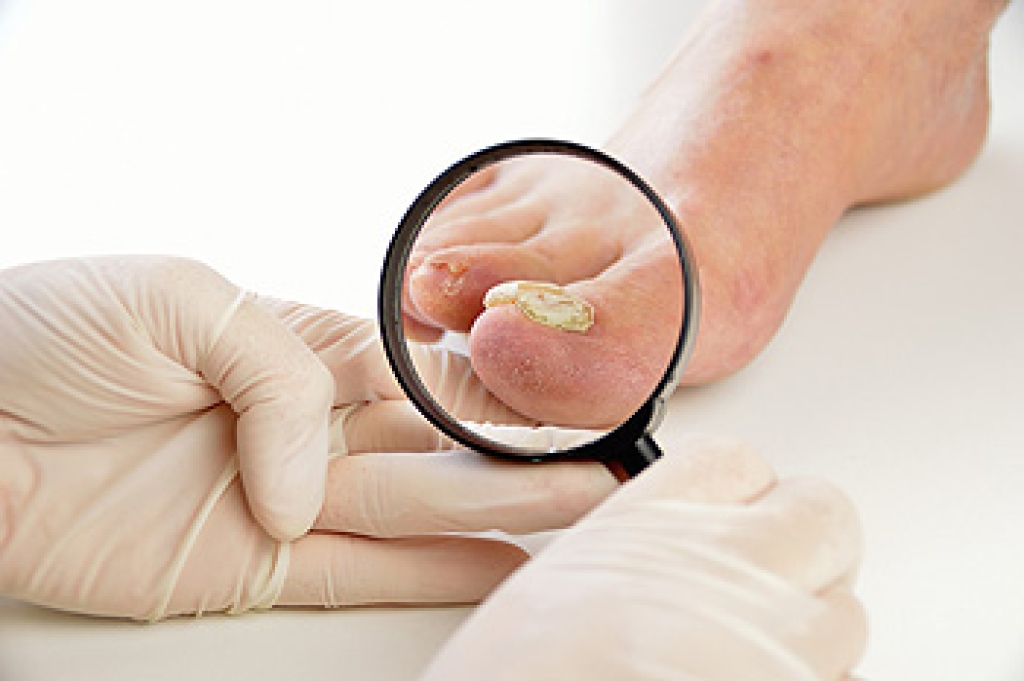
Fungal toenail infections are caused by fungi that thrive in warm, damp environments. These fungi often enter through small cracks in the nail or surrounding skin. Toenails are more frequently affected than fingernails, due to prolonged exposure to enclosed footwear. Symptoms of fungal toenails include thickening, yellow or white streaks, brittle texture, a distorted nail shape, or separation from the nail bed. Risk factors include diabetes, poor circulation, increased age, and frequent exposure to public pool areas. Nail injuries, a weakened immune system, and prolonged moisture around the toes are other risk factors. Wearing tight, enclosed shoes for extended periods may also encourage fungal growth. Diagnosis of the type of fungus requires lab testing or microscopic examination. Common types of toenail infections include distal subungual, white superficial, and proximal subungual, each affecting the nail differently. If you have developed a toenail infection, it is suggested that you make an appointment with a podiatrist for a diagnosis and proper treatment.

If left untreated, toenail fungus may spread to other toenails, skin, or even fingernails. If you suspect you have toenail fungus it is important to seek treatment right away. For more information about treatment, contact Wendy L. Grossman, DPM of New Jersey. Our doctor can provide the care you need to keep you pain-free and on your feet.

Symptoms

  • Warped or oddly shaped nails
  • Yellowish nails
  • Loose/separated nail
  • Buildup of bits and pieces of nail fragments under the nail
  • Brittle, broken, thickened nail

Treatment

If self-care strategies and over-the-counter medications does not help your fungus, your podiatrist may give you a prescription drug instead. Even if you find relief from your toenail fungus symptoms, you may experience a repeat infection in the future.

Prevention

In order to prevent getting toenail fungus in the future, you should always make sure to wash your feet with soap and water. After washing, it is important to dry your feet thoroughly especially in between the toes. When trimming your toenails, be sure to trim straight across instead of in a rounded shape. It is crucial not to cover up discolored nails with nail polish because that will prevent your nail from being able to “breathe”.

In some cases, surgical procedure may be needed to remove the toenail fungus. Consult with your podiatrist about the best treatment options for your case of toenail fungus.  

If you have any questions please contact our office located in Bloomfield, NJ . We offer the newest diagnostic and treatment technologies for all your foot and ankle needs.

Read more about Treating Toenail Fungus

Clubfoot and the Role of a Podiatrist

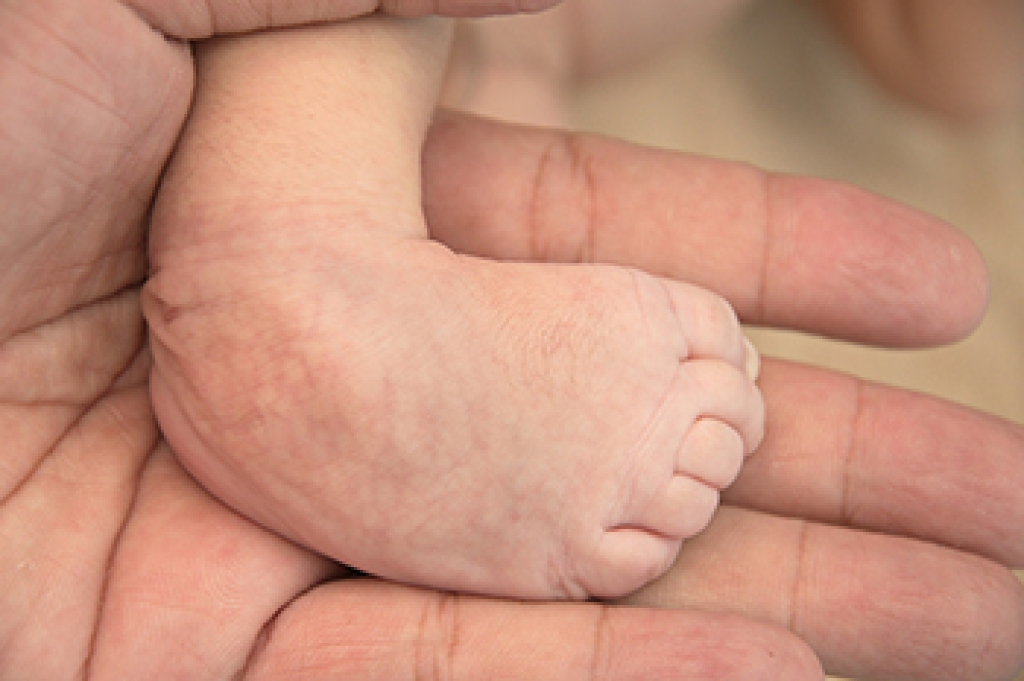
Clubfoot is a congenital condition where a newborn's foot is twisted out of its normal position. The foot turns inward and downward, affecting one or both feet. The exact cause is not always known, but genetic factors and conditions affecting fetal development may play a role. Symptoms include visible foot deformity, limited range of motion, and differences in leg length or muscle tone. Early diagnosis and treatment are important to avoid long-term disability. A podiatrist can offer guidance by recommending or overseeing corrective treatments, such as casting, bracing, or, in some cases, surgery. If your infant has signs of clubfoot, it is suggested that you consult a podiatrist and include this type of doctor on your healthcare team to ensure the best outcome.

Congenital foot problems require immediate attention to avoid future complications. If you have any concerns, contact Wendy L. Grossman, DPM of New Jersey. Our doctor can provide the care you need to keep you pain-free and on your feet.

Congenital foot problems are deformities affecting the feet, toes, and/or ankles that children are born with. Some of these conditions have a genetic cause while others just happen. Some specific foot ailments that children may be born with include clubfeet, polydactyly/macrodactyly, and cleft foot. There are several other foot anomalies that can occur congenitally. What all of these conditions have in common is that a child may experience difficulty walking or performing everyday activities, as well as trouble finding footwear that fits their foot deformity. Some of these conditions are more serious than others. Consulting with a podiatrist as early as possible will help in properly diagnosing a child’s foot condition while getting the necessary treatment underway.

What are Causes of Congenital Foot Problem?

A congenital foot problem is one that happens to a child at birth. These conditions can be caused by a genetic predisposition, developmental or positional abnormalities during gestation, or with no known cause.

What are Symptoms of Congenital Foot Problems?

Symptoms vary by the congenital condition. Symptoms may consist of the following:

  • Clubfoot, where tendons are shortened, bones are shaped differently, and the Achilles tendon is tight, causing the foot to point in and down. It is also possible for the soles of the feet to face each other.
  • Polydactyly, which usually consists of a nubbin or small lump of tissue without a bone, a toe that is partially formed but has no joints, or an extra toe.
  • Vertical talus, where the talus bone forms in the wrong position causing other bones in the foot to line up improperly, the front of the foot to point up, and the bottom of the foot to stiffen, with no arch, and to curve out.
  • Tarsal coalition, when there is an abnormal connection of two or more bones in the foot leading to severe, rigid flatfoot.
  • Cleft foot, where there are missing toes, a V-shaped cleft, and other anatomical differences.
  • Macrodactyly, when the toes are abnormally large due to overgrowth of the underlying bone or soft tissue.

Treatment and Prevention

While there is nothing one can do to prevent congenital foot problems, raising awareness and receiving neonatal screenings are important. Early detection by taking your child to a podiatrist leads to the best outcome possible.

If you have any questions, please feel free to contact our office located in Bloomfield, NJ . We offer the newest diagnostic and treatment technologies for all your foot care needs.

Read more about Congenital Foot Problems

Ankle Pain Causes and Symptoms

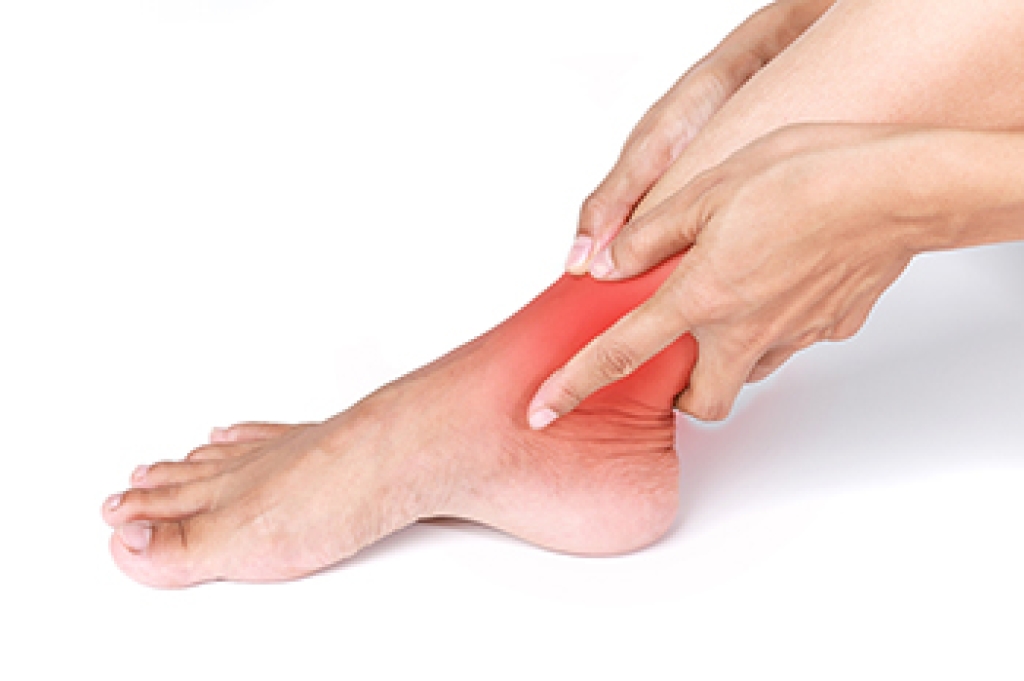
Ankle pain can come from a variety of sources, ranging from minor injuries to underlying health conditions. Common causes include sprains, fractures, tendon irritation, arthritis, or nerve compression. Repetitive movement, poor footwear, or uneven surfaces can also contribute to discomfort in the joint. Symptoms include aching, swelling, stiffness, bruising, or difficulty bearing weight. In some cases, the pain may be sharp and sudden, while in others it may develop slowly over time. Treatment depends on the cause, but may involve rest, elevation, compression, or the use of a brace or support. Targeted exercises, footwear changes, or custom orthotics may help in recovery and prevention. More severe cases might require medication or surgical evaluation. If your ankle pain is not improving or limits your mobility, it is suggested that you visit a podiatrist for a diagnosis and appropriate treatment.

Ankle pain can be caused by a number of problems and may be potentially serious. If you have ankle pain, consult with Wendy L. Grossman, DPM  from New Jersey. Our doctor will assess your condition and provide you with quality foot and ankle treatment.

Ankle pain is any condition that causes pain in the ankle. Due to the fact that the ankle consists of tendons, muscles, bones, and ligaments, ankle pain can come from a number of different conditions.

Causes

The most common causes of ankle pain include:

  • Types of arthritis (rheumatoid, osteoarthritis, and gout)
  • Ankle sprains
  • Broken ankles
  • Achilles tendonitis
  • Achilles tendon rupture
  • Stress fractures
  • Bursitis
  • Tarsal tunnel syndrome
  • Plantar fasciitis

Symptoms

Symptoms of ankle injury vary based upon the condition. Pain may include general pain and discomfort, swelling, aching, redness, bruising, burning or stabbing sensations, and/or loss of sensation.

Diagnosis

Due to the wide variety of potential causes of ankle pain, podiatrists will utilize a number of different methods to properly diagnose ankle pain. This can include asking for personal and family medical histories and of any recent injuries. Further diagnosis may include sensation tests, a physical examination, and potentially x-rays or other imaging tests.

Treatment

Just as the range of causes varies widely, so do treatments. Some more common treatments are rest, ice packs, keeping pressure off the foot, orthotics and braces, medication for inflammation and pain, and surgery.

If you have any questions please feel free to contact our office located in Bloomfield, NJ . We offer the newest diagnostic tools and technology to treat your foot and ankle needs.

Read more about Various Causes of Ankle Pain

Understanding Painful Bunions

A bunion is a bony bump that forms on the joint at the base of the big toe. It occurs when the big toe pushes against the next toe, causing the joint to stick out and become misaligned. Common causes include genetics, foot structure, arthritis, and wearing tight or ill-fitting shoes. Symptoms of a bunion include pain, swelling, redness, and restricted movement of the big toe. The area may feel sore or irritated, especially when wearing shoes. Over time, the bump can become more pronounced and painful. A podiatrist can diagnose a bunion through a physical exam and may use X-rays to assess the severity and alignment of the toe joint. Treatment options range from conservative measures like padding, orthotics, and anti-inflammatory medication to surgical correction in more advanced cases. If you are dealing with a painful bunion, it is suggested that you make an appointment with a podiatrist for evaluation and treatment.

If you are suffering from bunions, contact Wendy L. Grossman, DPM of New Jersey. Our doctor can provide the care you need to keep you pain-free and on your feet.

What Is a Bunion?

A bunion is formed of swollen tissue or an enlargement of boney growth, usually located at the base joint of the toe that connects to the foot. The swelling occurs due to the bones in the big toe shifting inward, which impacts the other toes of the foot. This causes the area around the base of the big toe to become inflamed and painful.

Why Do Bunions Form?

Genetics – Susceptibility to bunions are often hereditary

Stress on the feet – Poorly fitted and uncomfortable footwear that places stress on feet, such as heels, can worsen existing bunions

How Are Bunions Diagnosed?

Doctors often perform two tests – blood tests and x-rays – when trying to diagnose bunions, especially in the early stages of development. Blood tests help determine if the foot pain is being caused by something else, such as arthritis, while x-rays provide a clear picture of your bone structure to your doctor.

How Are Bunions Treated?

  • Refrain from wearing heels or similar shoes that cause discomfort
  • Select wider shoes that can provide more comfort and reduce pain
  • Anti-inflammatory and pain management drugs
  • Orthotics or foot inserts
  • Surgery

If you have any questions, please feel free to contact our office located in Bloomfield, NJ . We offer the newest diagnostic and treatment technologies for all your foot care needs.

Read more about Bunions

Connect With Us