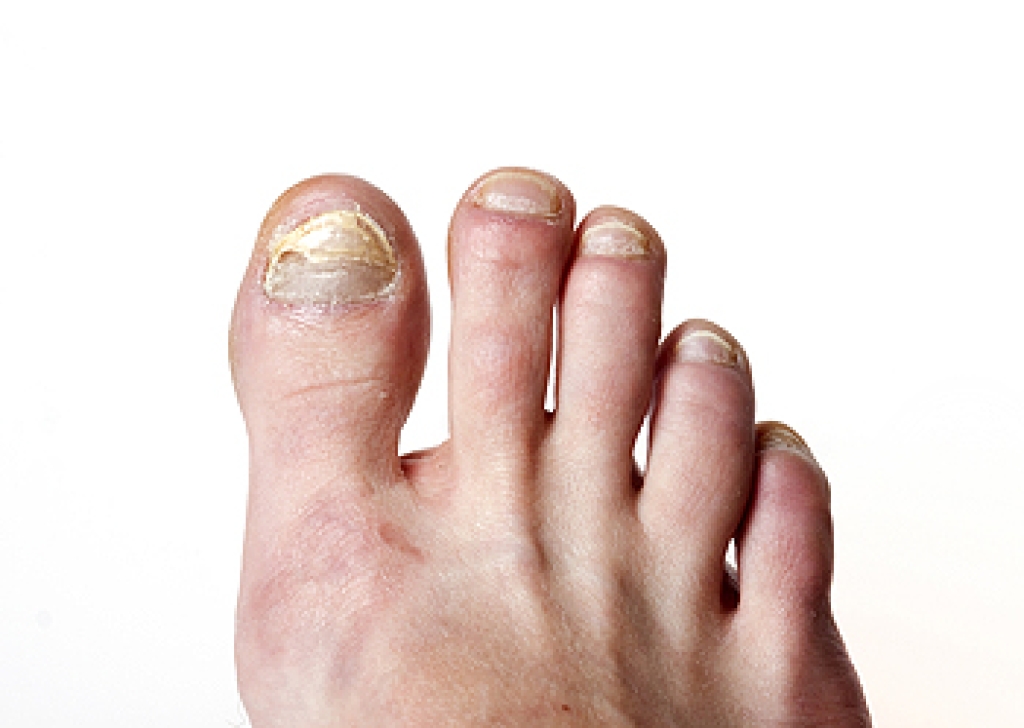
Prevention Methods for Toenail Fungus

Toenail fungus is generally not a serious foot condition despite its unsightly appearance. Toenail fungus thrives in warm and moist environments, such as public swimming pools, locker rooms, and similar areas. The fungus can enter the body through small cracks in the skin of the feet, so it is beneficial to wear appropriate shoes while in these areas. People who have diabetes, immune system disorders, or nerve damage may be prone to developing toenail fungus. Symptoms can include a thickening of the nail, a change in the nail shape, and in severe cases, the nail may lift or crumble. Prevention methods can include refraining from sharing shoes, towels, and socks, and it is helpful to maintain good foot care. If you have developed toenail fungus, it is strongly suggested that you confer with a podiatrist who can effectively treat this condition, which may include prescribed medication.

For more information about treatment, contact Wendy L. Grossman, DPM of New Jersey. Our doctor can provide the care you need to keep you pain-free and on your feet.

Toenail Fungus Treatment

Toenail fungus is a condition that affects many people and can be especially hard to get rid of. Fortunately, there are several methods to go about treating and avoiding it.

Antifungals & Deterrence

Oral antifungal medicine has been shown to be effective in many cases. It is important to consult with a podiatrist to determine the proper regiment for you, or potentially explore other options.

Applying foot powder on the feet and shoes helps keep the feet free of moisture and sweat.

Sandals or open toed shoes – Wearing these will allow air movement and help keep feet dry. They also expose your feet to light, which fungus cannot tolerate. Socks with moisture wicking material also help as well.

If you have any questions please contact our office located in Bloomfield, NJ . We offer the newest diagnostic and treatment technologies for all your foot and ankle needs.

Read more about Toenail Fungus

How the Feet Can Be Measured

People who stand or walk for the majority of the day are generally aware of what type of shoes they wear and how well they fit. Many patients will try on multiple pairs of shoes before they find a pair that fits their feet perfectly. It is beneficial to have an accurate foot measurement before purchasing shoes. This can be done by tracing the width and length of the foot on a piece of paper, followed by using a conversion table that can pinpoint the right size. Many stores are equipped with a Brannock device, which can accurately measure the foot. Additionally, it can help to wear the socks that will be worn with the new shoes, and these can range from dress socks to athletic socks. The best time of day to purchase shoes is in the evening when the feet are at their largest. This often ensures a proper fit when the feet become swollen after a long day. If you would like more information about how to determine your right shoe size, it is suggested that you confer with a podiatrist who can provide you with the appropriate knowledge.

Finding a properly-fitting shoe is important in reducing injuries and preventing foot problems. For more information about treatment, contact Wendy L. Grossman, DPM from New Jersey. Our doctor will treat your foot and ankle needs.

Proper Shoe Fitting

A common concern when it comes to foot health, having properly fitted shoes can help prevent injuries to the foot. Out feet affect our posture and gait, which in turn affects the biomechanics and overall bodily structure. With 33 joints, 26 bones, and over 100 ligaments, the potential for serious injury is much greater than one realizes. Although the feet cease growth in adulthood, they still change shape as they mature. Here are some factors to consider when it comes to investing in proper fitting shoes:

  • Be sure the shoes fit correctly right away
  • Ensure the ball of your foot fits comfortably in the widest portion of the shoes
  • Even though they may look fashionable, improper fitting shoes can either create adverse conditions or exacerbate existing ones you may already have
  • Walk along a carpeted surface to ensure the shoes comfortably fit during normal activity

Keeping in mind how shoes fit the biomechanics of your body, properly-fitting shoes are vitally important. Fortunately, it is not difficult to acquire footwear that fits correctly. Be sure to wear shoes that support the overall structure of your body. Do your feet a favor and invest in several pairs of well-fitted shoes today.

If you have any questions, please feel free to contact our office located in Bloomfield, NJ . We offer the newest diagnostic and treatment technologies for all your foot care needs.

Read more about How to Get a Proper Shoe Fit

Facts About Stress Fractures

Stress fractures are considered to be overuse injuries that are common among runners, as well as other athletes. Football players, basketball players, and dancers are at risk for stress fractures over time. A stress fracture is a hairline crack in the bone as a result of repetitive pounding of the feet. People with poor nutritional habits and who smoke or drink excess alcohol are also susceptible to incurring stress fractures. The most common causes of these painful stress fractures are repetitive force, overtraining, and running on hard surfaces. A stress fracture often develops as the result of a sudden change in physical activity, such as increasing running speed too quickly or starting to participate in a sport after being sedentary for a long time. Furthermore, a vitamin D deficiency can cause the bones to weaken, possibly making them more vulnerable to this type of injury. Wearing shoes that do not fit well or provide inadequate support is another common cause of stress fractures. If you believe you have developed stress fractures in the feet or ankles, it is suggested that you visit a podiatrist for a full examination and correct treatment options.

Activities where too much pressure is put on the feet can cause stress fractures. To learn more, contact Wendy L. Grossman, DPM from New Jersey. Our doctor can provide the care you need to keep your pain free and on your feet.

Dealing with Stress Fractures of the Foot and Ankle

Stress fractures occur in the foot and ankle when muscles in these areas weaken from too much or too little use.  The feet and ankles then lose support when walking or running from the impact of the ground. Since there is no protection, the bones receive the full impact of each step. Stress on the feet can cause cracks to form in the bones, thus creating stress fractures.

What Are Stress Fractures?

Stress fractures occur frequently in individuals whose daily activities cause great impact on the feet and ankles. Stress factors are most common among:

  • Runners                                
  • People affected with Osteoporosis
  • Tennis or basketball players
  • Gymnasts
  • High impact workouts

Symptoms

Pain from the fractures occur in the area of the fractures and can be constant or intermittent. It will often cause sharp or dull pain with swelling and tenderness. Engaging in any kind of activity which involves high impact will aggravate pain.

If you have any questions please contact our office located in Bloomfield, NJ . We offer the newest diagnostic and treatment technologies for all your foot and ankle needs.

Read more about Dealing with Stress Fractures of the Foot and Ankle

Let the Expert Treat Your Ingrown Toenails

Ingrown toenails can be painful and can make wearing shoes or walking uncomfortable. Seek professional help if you believe you've developed an ingrown toenail and be treated safely. 

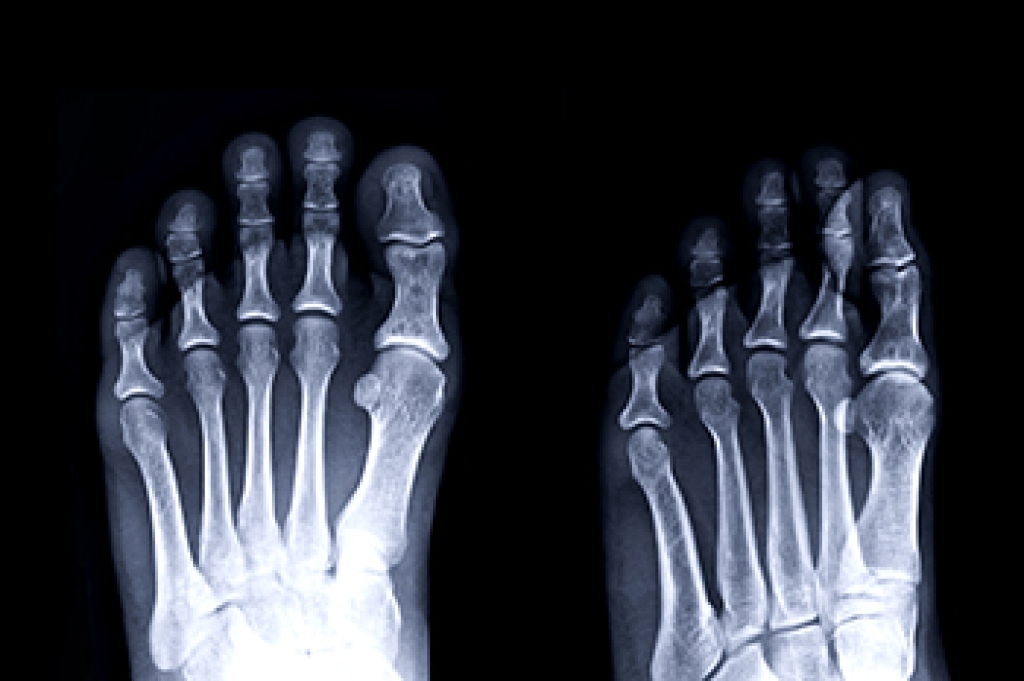
Symptoms of a Broken Foot

There are 26 bones in each foot that can easily be injured from falls, sports injuries, or repetitive pressure or force. A broken foot, or foot fracture, is usually from a direct injury to the foot and can be caused by high-impact activities, like running or jumping, auto accidents, falls, repetitive stress or overuse, or straightforward trauma. Things that might contribute to one sustaining a foot fracture include wearing shoes that do not properly support the feet, a Vitamin D deficiency, or having structural foot problems. Symptoms of a broken foot include pain, difficulty bearing weight, swelling, bruising, altered walking, and immobility of the toes, foot, and ankle. It is highly suggested that anyone who suspects they have broken their foot see a podiatrist as soon as possible for a proper diagnosis and a treatment plan.

A broken foot requires immediate medical attention and treatment. If you need your feet checked, contact Wendy L. Grossman, DPM from New Jersey. Our doctor can provide the care you need to keep you pain-free and on your feet.

Broken Foot Causes, Symptoms, and Treatment

A broken foot is caused by one of the bones in the foot typically breaking when bended, crushed, or stretched beyond its natural capabilities. Usually the location of the fracture indicates how the break occurred, whether it was through an object, fall, or any other type of injury. 

Common Symptoms of Broken Feet:

  • Bruising
  • Pain
  • Redness
  • Swelling
  • Blue in color
  • Numbness
  • Cold
  • Misshapen
  • Cuts
  • Deformities

Those that suspect they have a broken foot shoot seek urgent medical attention where a medical professional could diagnose the severity.

Treatment for broken bones varies depending on the cause, severity and location. Some will require the use of splints, casts or crutches while others could even involve surgery to repair the broken bones. Personal care includes the use of ice and keeping the foot stabilized and elevated.

If you have any questions, please feel free to contact our office located in Bloomfield, NJ . We offer the newest diagnostic and treatment technologies for all your foot care needs.

Read more about Causes, Symptoms, and Treatment for a Broken Foot

Connect With Us