Simple Steps for Diabetic Foot Care

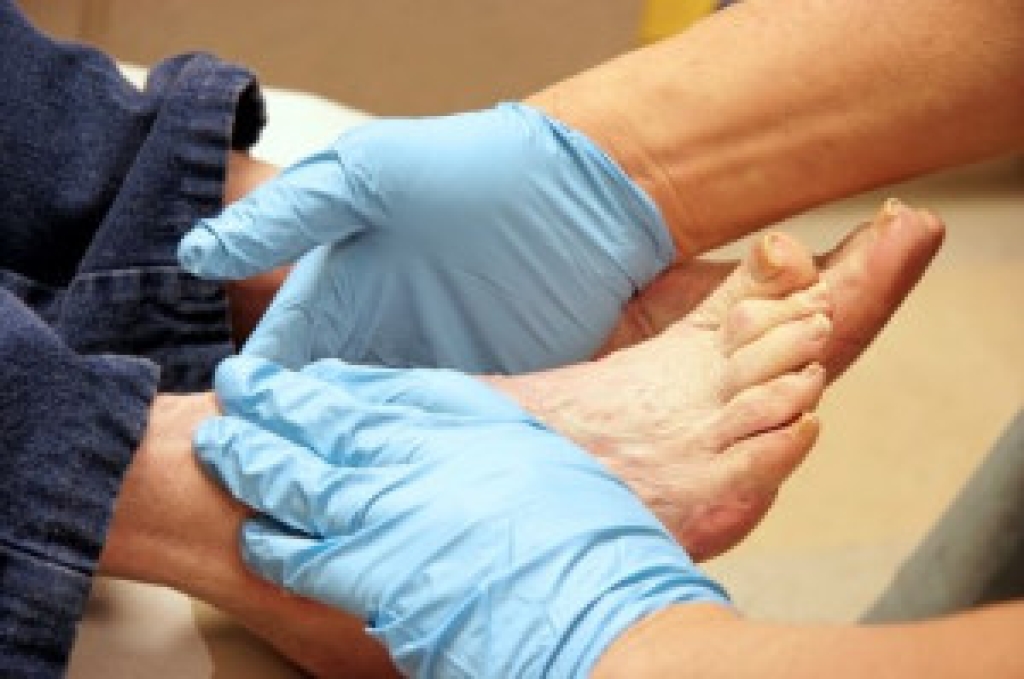
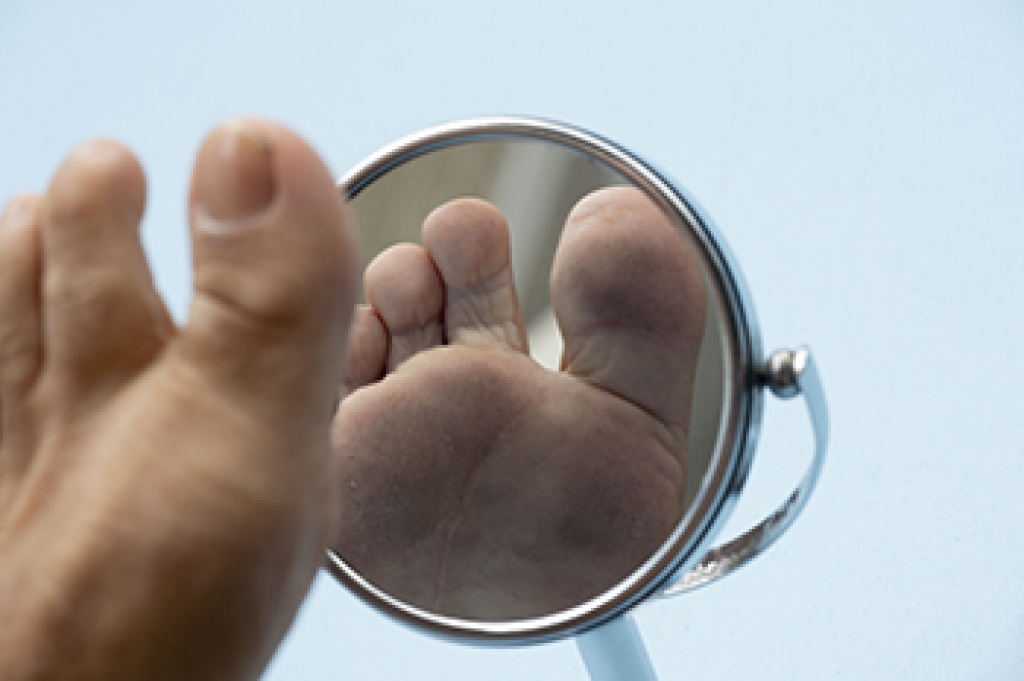
Practicing good diabetic foot care is essential for maintaining proper foot health. Having elevated glucose levels in the blood can lead to developing diabetes, and the feet are often affected. Research has shown that approximately half of diabetic patients have nerve damage, which is the inability to feel existing cuts, bruises, or scrapes that are on the feet. A foot care routine can begin with washing and drying the feet, followed by inspecting the soles of the feet for any abnormalities. This can be done by using a mirror, or a family member or caregiver may be able to help. Effective foot care tips can include following a healthy eating plan, engaging in a gentle exercise program, and refraining from smoking, if applicable. It is important to wear shoes while walking inside or outdoors, in addition to trimming the toenails straight across. If you have diabetes, it is strongly suggested that you confer with a podiatrist who can help you to manage this serious condition. 

Diabetic foot care is important in preventing foot ailments such as ulcers. If you are suffering from diabetes or have any other concerns about your feet, contact Wendy L. Grossman, DPM from New Jersey. Our doctor can provide the care you need to keep you pain-free and on your feet.

Diabetic Foot Care

Diabetes affects millions of people every year. The condition can damage blood vessels in many parts of the body, especially the feet. Because of this, taking care of your feet is essential if you have diabetes, and having a podiatrist help monitor your foot health is highly recommended.

The Importance of Caring for Your Feet

  • Routinely inspect your feet for bruises or sores.
  • Wear socks that fit your feet comfortably.
  • Wear comfortable shoes that provide adequate support.

Patients with diabetes should have their doctor monitor their blood levels, as blood sugar levels play such a huge role in diabetic care. Monitoring these levels on a regular basis is highly advised.

It is always best to inform your healthcare professional of any concerns you may have regarding your feet, especially for diabetic patients. Early treatment and routine foot examinations are keys to maintaining proper health, especially because severe complications can arise if proper treatment is not applied.

If you have any questions, please feel free to contact our office located in Bloomfield, NJ . We offer the newest diagnostic and treatment technologies for all your foot care needs.

Read more about How to Care for Diabetic Foot

Is a Heel Spur Painful?

A small, hard growth that develops on the underside of the heel may be a heel spur. It is defined as a calcium deposit and extends between the arch and the heel. Some heel spurs can be up to a half inch long, and may or may not be painful. Some of the symptoms that are associated with a heel spur are swelling surrounding the heel, the skin feeling warm when touched, and being inflamed. The cause of a heel spur is muscle and ligament strain, and can gradually develop as the aging process occurs. They may also happen from wearing shoes that are worn out, having excess body weight, or if there is an abnormal foot structure. An X-ray is often taken that can confirm a heel spur, and can be treated through adequate rest and lifestyle changes. It may be beneficial to perform gentle stretches that can help to strengthen the muscles. If you feel pain or mild discomfort in your heel, it is suggested that you speak with a podiatrist who can accurately diagnose and treat heel spurs.

Heel spurs can be incredibly painful and sometimes may make you unable to participate in physical activities. To get medical care for your heel spurs, contact Wendy L. Grossman, DPM from New Jersey. Our doctor will do everything possible to treat your condition.

Heels Spurs

Heel spurs are formed by calcium deposits on the back of the foot where the heel is. This can also be caused by small fragments of bone breaking off one section of the foot, attaching onto the back of the foot. Heel spurs can also be bone growth on the back of the foot and may grow in the direction of the arch of the foot.

Older individuals usually suffer from heel spurs and pain sometimes intensifies with age. One of the main condition's spurs are related to is plantar fasciitis.

Pain

The pain associated with spurs is often because of weight placed on the feet. When someone is walking, their entire weight is concentrated on the feet. Bone spurs then have the tendency to affect other bones and tissues around the foot. As the pain continues, the feet will become tender and sensitive over time.

Treatments

There are many ways to treat heel spurs. If one is suffering from heel spurs in conjunction with pain, there are several methods for healing. Medication, surgery, and herbal care are some options.

If you have any questions, please feel free to contact our office located in Bloomfield, NJ . We offer the newest diagnostic and treatment technologies for all your foot care needs.

Read more about Heel Spurs

Plantar Fasciitis Symptoms and Risk Factors

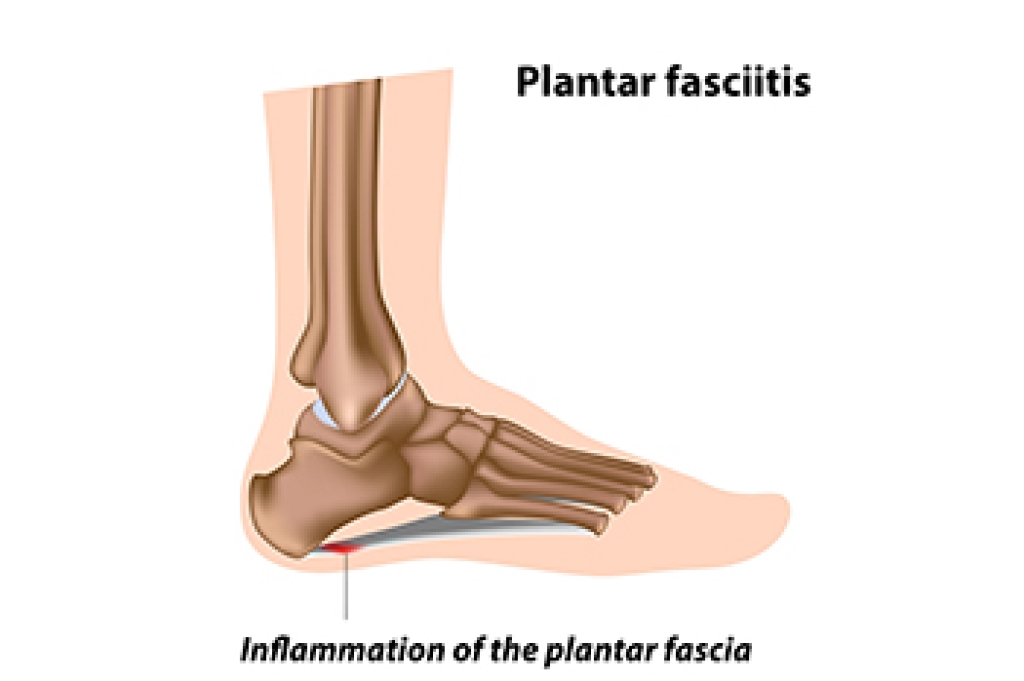
Most complaints of heel pain derive from plantar fasciitis, which involves inflammation of the band of tissue that runs under the feet from the toes to the heels. At first, plantar fasciitis starts as discomfort in the heel or arch, especially if your shoes have inadequate cushioning and an inflexible sole. Then the pain may also be felt when you first wake up, or after sitting or standing for long periods, but it generally fades as you become active again. Wearing shoes that do not fit properly and do not afford enough cushioning or arch support increases the chances of developing plantar fasciitis. Tightness in the calf muscles, another symptom of plantar fasciitis, is related to a problem with a tight Achilles tendon. Many pregnant women experience plantar fasciitis, as the result of gaining weight, retaining water, and increasing pressure on the feet. Long distance runners and soldiers, who may strike heel first while running, might be more prone to plantar fasciitis. If heel pain is a growing problem, it is suggested that you consult a podiatrist for an evaluation and treatment options.

Plantar fasciitis is a common foot condition that is often caused by a strain injury. If you are experiencing heel pain or symptoms of plantar fasciitis, contact Wendy L. Grossman, DPM from New Jersey. Our doctor can provide the care you need to keep you pain-free and on your feet.

What Is Plantar Fasciitis?

Plantar fasciitis is one of the most common causes of heel pain. The plantar fascia is a ligament that connects your heel to the front of your foot. When this ligament becomes inflamed, plantar fasciitis is the result. If you have plantar fasciitis you will have a stabbing pain that usually occurs with your first steps in the morning. As the day progresses and you walk around more, this pain will start to disappear, but it will return after long periods of standing or sitting.

What Causes Plantar Fasciitis?

  • Excessive running
  • Having high arches in your feet
  • Other foot issues such as flat feet
  • Pregnancy (due to the sudden weight gain)
  • Being on your feet very often

There are some risk factors that may make you more likely to develop plantar fasciitis compared to others. The condition most commonly affects adults between the ages of 40 and 60. It also tends to affect people who are obese because the extra pounds result in extra stress being placed on the plantar fascia.

Prevention

  • Take good care of your feet – Wear shoes that have good arch support and heel cushioning.
  • Maintain a healthy weight
  • If you are a runner, alternate running with other sports that won’t cause heel pain

There are a variety of treatment options available for plantar fasciitis along with the pain that accompanies it. Additionally, physical therapy is a very important component in the treatment process. It is important that you meet with your podiatrist to determine which treatment option is best for you.

If you have any questions, please feel free to contact our office located in Bloomfield, NJ . We offer the newest diagnostic and treatment technologies for all your foot care needs.


Read more about Plantar Fasciitis

We Can Treat Your Foot or Ankle Pain

Foot or ankle pain can negatively affect your day-to-day life and can occur due to several different conditions. Pain can also be an indicator of a more serious underlying condition, which is why you should seek professional help as soon as you notice any abnormalities in your feet.

Popular Flip Flops

Flip flops are one of the most popular summer shoes available. They are simply made and are constructed of a flat sole which is connected to a Y-shaped strap that slides between the big and second toes. Their increased popularity is a result of easy wearing, and they are available in different colors. Flip flops date back as early as 4,000 years ago, and have been made from various materials as the generations evolved. They became associated with beach living in the 1960s and are worn by people from all walks of life. Additionally, they are affordable and are generally made from inexpensive materials. They are typically lightweight, comfortable, and easy to slip on and off. In addition to allowing the feet to breathe, flip flops may provide an overall relaxed feeling in the body. If you would like to know about the benefits of wearing flip-flops, it is suggested that you consult with a podiatrist who can provide you with the information you are seeking. 

Flip-flops are not always the best choice of footwear. If you have any concerns about your feet or ankles, contact Wendy L. Grossman, DPM from New Jersey. Our doctor will assist you with all of your foot and ankle needs.

Flip-Flops and Feet

When the weather starts warming up, people enjoy wearing flip-flops.  Flip-flops are comfortable, stylish, and easy to slip on and off; they're perfect for any summer beach goer.  However, these shoes can cause harm to the feet.

How Can Flip-Flops Affect Me Long-Term?

  • Ankle problems
  • Hip problems
  • Lower back problems
  • Pain in the balls of the feet
  • Problems with foot arches
  • Changes in the way you walk

Are There Injuries Associated with Flip-Flops?

Yes.  Since flip-flops are relatively weak and do not provide the same amount of support as sneakers, people who wear flip-flops regularly are more susceptible to injuries. On top of that, the open nature of the shoe makes your feet more prone to other problems, such as cuts and even infections.  Common injuries and ailments include:

  • Sprained ankles
  • Blisters
  • Infections
  • Cuts and Scrapes

I like Wearing Flip-Flops. Are There Safe Alternatives?

When buying flip-flops, try to find ones that have sturdy soles and that are made of high-quality materials that will support for your feet.  These flip-flops will cost more but will also last longer as a result.

If you have any questions, please feel free to contact our office located in Bloomfield, NJ . We offer the newest diagnostic and treatment technologies for all your foot care needs.
Read more about Flip Flops and Feet

What Are Proper Wound Care Treatments?

A laceration is a wound. Many wounds develop on the feet, and deep wounds often require stitches. If an object has pierced the skin, an X-ray may be taken which can determine if a piece of it is inside the wound. All wound care requires the hands to be washed thoroughly before the area is touched. This may be helpful in preventing an infection from developing. This is followed by removing the bandage, and gently washing the affected area. After an antibiotic ointment is applied, a new bandage can be put on, and it is important to keep it dry. For wounds that start to change colors, begin to reopen, or if there is decreased movement in the foot, it is suggested to speak to a podiatrist as quickly as possible. This type of doctor can offer you proper wound care management and provide you with correct treatment techniques.

Wound care is an important part in dealing with diabetes. If you have diabetes and a foot wound or would like more information about wound care for diabetics, consult with Wendy L. Grossman, DPM from New Jersey. Our doctor will assess your condition and provide you with quality foot and ankle treatment.

What Is Wound Care?

Wound care is the practice of taking proper care of a wound. This can range from the smallest to the largest of wounds. While everyone can benefit from proper wound care, it is much more important for diabetics. Diabetics often suffer from poor blood circulation which causes wounds to heal much slower than they would in a non-diabetic. 

What Is the Importance of Wound Care?

While it may not seem apparent with small ulcers on the foot, for diabetics, any size ulcer can become infected. Diabetics often also suffer from neuropathy, or nerve loss. This means they might not even feel when they have an ulcer on their foot. If the wound becomes severely infected, amputation may be necessary. Therefore, it is of the upmost importance to properly care for any and all foot wounds.

How to Care for Wounds

The best way to care for foot wounds is to prevent them. For diabetics, this means daily inspections of the feet for any signs of abnormalities or ulcers. It is also recommended to see a podiatrist several times a year for a foot inspection. If you do have an ulcer, run the wound under water to clear dirt from the wound; then apply antibiotic ointment to the wound and cover with a bandage. Bandages should be changed daily and keeping pressure off the wound is smart. It is advised to see a podiatrist, who can keep an eye on it.

If you have any questions please contact our office located in Bloomfield, NJ . We offer the newest diagnostic and treatment technologies for all your foot and ankle needs.

Read more about Wound Care

Broken Toes 101

A broken toe is a common foot injury, and can be caused for various reasons. If a heavy object suddenly drops on it, or if it is stubbed into a piece of furniture, it may fracture. Some people gradually develop a broken toe from increasing speed and distance too quickly while running, and this may be considered to be a type of stress fracture. Common symptoms of a broken toe can include immediate bruising, a reduced range of motion, and it can be difficult to walk. If the fracture is severe, there may be a popping sound that is heard when the injury occurs, and the bone may protrude from the skin. Most people who have broken their toe will have a diagnosis performed that can confirm this, which is done by having an X-ray taken. Treatment for mildly broken toes can consist of using the buddy taping method. This is accomplished by taping the affected toe to the toe next to it. This is often successful in providing the necessary stability as the toe heals. If you have broken your toe, it is suggested that you consult with a podiatrist who can properly treat this condition.

Broken toes may cause a lot of pain and should be treated as soon as possible. If you have any concerns about your feet, contact Wendy L. Grossman, DPM from New Jersey. Our doctor will treat your foot and ankle needs.

What Is a Broken Toe?

A broken toe occurs when one or more of the toe bones of the foot are broken after an injury. Injuries such as stubbing your toe or dropping a heavy object on it may cause a toe fracture.

Symptoms of a Broken Toe

  • Swelling
  • Pain (with/without wearing shoes)
  • Stiffness
  • Nail Injury

Although the injured toe should be monitored daily, it is especially important to have a podiatrist look at your toe if you have severe symptoms. Some of these symptoms include worsening or new pain that is not relieved with medication, sores, redness, or open wounds near the toe.

If you have any questions please feel free to contact our office located in Bloomfield, NJ . We offer the newest diagnostic tools and technology to treat your foot and ankle needs.

Read more about What to Know About a Broken Toe

There Are Many Types of Foot Pain

The feet endure the weight of the body, and many people suffer from foot pain for various reasons. The feet are responsible for walking, running, and balancing the body, and it is beneficial to wear shoes that fit properly, possibly helping to prevent potential foot conditions. One of the most common foot ailments is known as flat feet, and may be treated by wearing custom-made orthotics. Heel pain may indicate plantar fasciitis or a heel spur, and this may come from standing on hard or uneven surfaces for most of the day. Some people have toe pain which may occur from placing excess stress on the top part of the foot while exercising. A sprain that suddenly happens at the bottom of the big toe is known as turf toe. This can occur as a result of the big toe being bent beyond its normal range of motion. Any type of foot pain requires a visit to the podiatrist, and it is suggested that you contact this type of doctor who can determine the cause and offer correct treatment solutions. 

Foot Pain

Foot pain can be extremely painful and debilitating. If you have a foot pain, consult with Wendy L. Grossman, DPM  from New Jersey. Our doctor will assess your condition and provide you with quality foot and ankle treatment.

Causes

Foot pain is a very broad condition that could be caused by one or more ailments. The most common include:

  • Bunions
  • Hammertoes
  • Plantar Fasciitis
  • Bone Spurs
  • Corns
  • Tarsal Tunnel Syndrome
  • Ingrown Toenails
  • Arthritis (such as Gout, Rheumatoid, and Osteoarthritis)
  • Flat Feet
  • Injury (from stress fractures, broken toe, foot, ankle, Achilles tendon ruptures, and sprains)
  • And more

Diagnosis

To figure out the cause of foot pain, podiatrists utilize several different methods. This can range from simple visual inspections and sensation tests to X-rays and MRI scans. Prior medical history, family medical history, and any recent physical traumatic events will all be taken into consideration for a proper diagnosis.

Treatment

Treatment depends upon the cause of the foot pain. Whether it is resting, staying off the foot, or having surgery; podiatrists have a number of treatment options available for foot pain.

If you have any questions, please feel free to contact our office located in Bloomfield, NJ . We offer the newest diagnostic and treatment technologies for all your foot care needs.

Read more about Foot Pain

How Can I Prevent a Bunion?

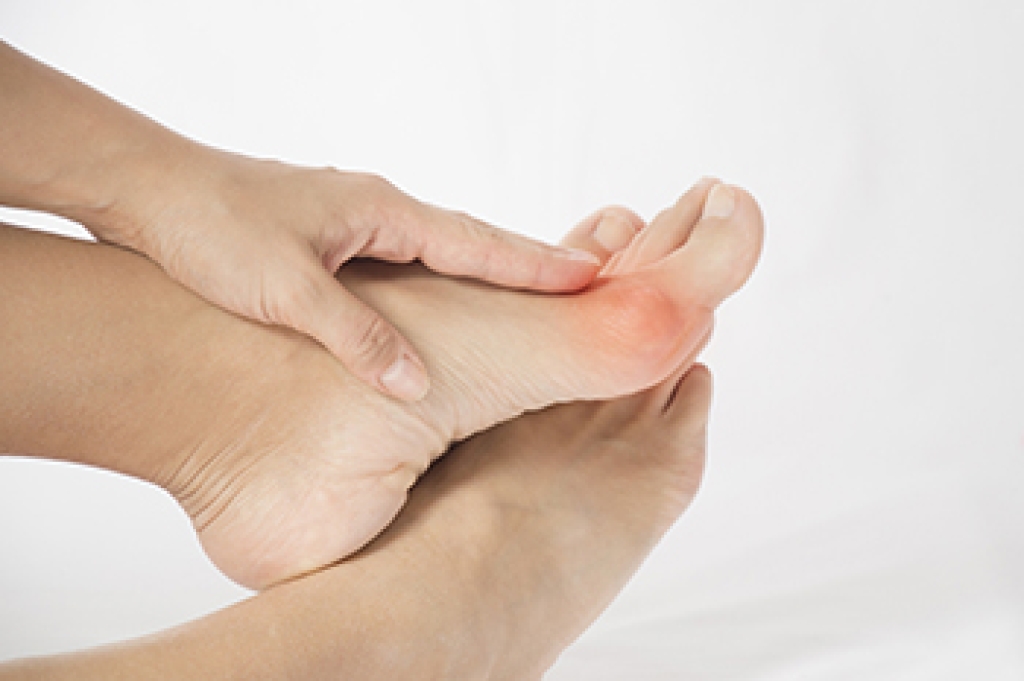
Bunions are a particular kind of bony bump that can form on the outside of the joint of the big toe or small pinky toe. It is important to note that some types of bunions can cause pain in individuals, while others do not. In this sense, a bunion can be a cosmetic issue for some patients. There are several steps that a patient can consider taking to prevent the formation of bunions. For example, an individual can be mindful of the shoes that they are wearing. Particularly tight shoes can lead to bunions developing. Instead, an individual can be sure to wear shoes that are spacious and comfortable. Secondly, an individual might be able to prevent the development of bunions by doing what they can to stop overpronation. Importantly, overpronation can occur when the foot rolls inward. Orthotics may be used to correct this. If you are someone that is struggling with bunions, it is suggested that you contact a podiatrist today for treatment. 

If you are suffering from bunions, contact Wendy L. Grossman, DPM of New Jersey. Our doctor can provide the care you need to keep you pain-free and on your feet.

What Is a Bunion?

A bunion is formed of swollen tissue or an enlargement of boney growth, usually located at the base joint of the toe that connects to the foot. The swelling occurs due to the bones in the big toe shifting inward, which impacts the other toes of the foot. This causes the area around the base of the big toe to become inflamed and painful.

Why Do Bunions Form?

Genetics – Susceptibility to bunions are often hereditary

Stress on the feet – Poorly fitted and uncomfortable footwear that places stress on feet, such as heels, can worsen existing bunions

How Are Bunions Diagnosed?

Doctors often perform two tests – blood tests and x-rays – when trying to diagnose bunions, especially in the early stages of development. Blood tests help determine if the foot pain is being caused by something else, such as arthritis, while x-rays provide a clear picture of your bone structure to your doctor.

How Are Bunions Treated?

  • Refrain from wearing heels or similar shoes that cause discomfort
  • Select wider shoes that can provide more comfort and reduce pain
  • Anti-inflammatory and pain management drugs
  • Orthotics or foot inserts
  • Surgery

If you have any questions, please feel free to contact our office located in Bloomfield, NJ . We offer the newest diagnostic and treatment technologies for all your foot care needs.

Read more about Bunions

Get Professional Care for a Broken Foot or Ankle

Constant care and regular evaluation are important for a foot or ankle fracture. If left untreated, foot or ankle fractures can worsen over time and create more serious problems.

Don't wait to be examined if you believe you've experienced a foot or ankle fracture.

Connect With Us