Pregnancy and Foot Discomfort

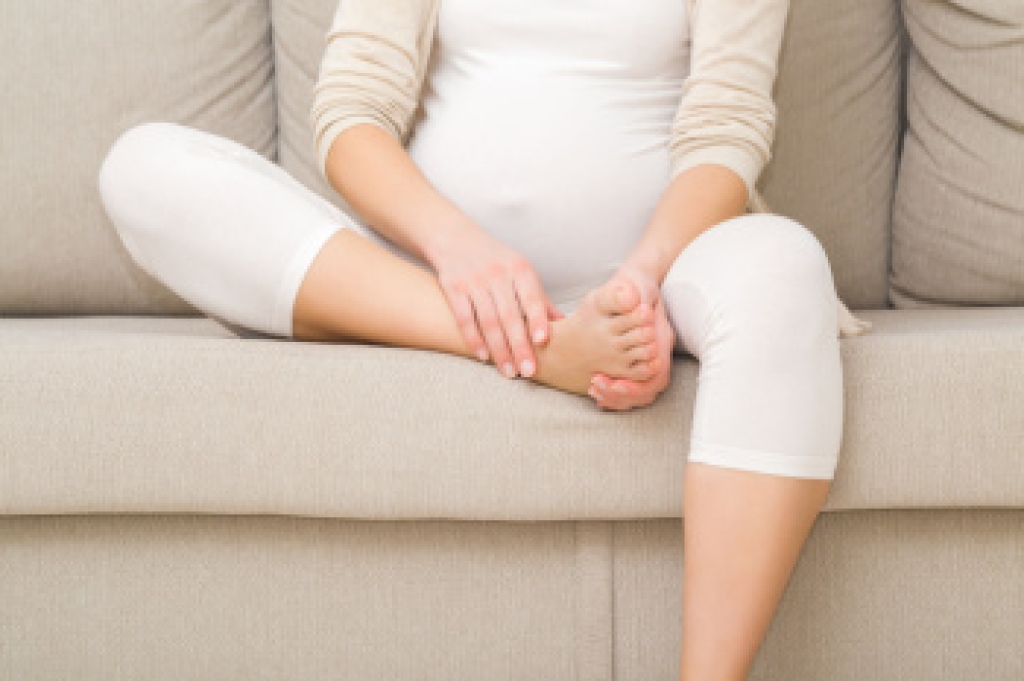
Pregnancy is a journey filled with excitement and anticipation, but it can also bring its own set of challenges, including foot pain. Expecting mothers often find themselves dealing with discomfort and swelling in their feet, making each step a bit more challenging. However, there are ways to manage this discomfort and make the journey smoother. This can begin with investing in comfortable and supportive footwear. Opt for shoes with low heels and ample cushioning to provide relief to your tired feet. Additionally, elevating your feet whenever possible can help reduce swelling and alleviate pressure. Another helpful tip is to incorporate gentle exercises into your daily routine, such as walking or swimming, to improve circulation and strengthen your feet and ankles. Remember to stay hydrated and maintain a balanced diet to support overall health and reduce swelling. Lastly, do not hesitate to seek support from your podiatrist if foot pain becomes severe or persistent. This type of doctor can offer personalized advice and recommend safe treatment options to help you manage foot pain effectively throughout your pregnancy, If you are experiencing any foot discomfort during your pregnancy, it is suggested that you consult a podiatrist who can provide you with relief options.

Pregnant women with swollen feet can be treated with a variety of different methods that are readily available. For more information about other cures for swollen feet during pregnancy, consult with Wendy L. Grossman, DPM from New Jersey. Our doctor will attend to all of your foot and ankle needs.

What Foot Problems Can Arise During Pregnancy?

One problem that can occur is overpronation, which occurs when the arch of the foot flattens and tends to roll inward.  This can cause pain and discomfort in your heels while you’re walking or even just standing up, trying to support your baby.  

Another problem is edema, or swelling in the extremities. This often affects the feet during pregnancy but tends to occur in the later stages. 

How Can I Keep My Feet Healthy During Pregnancy?

  • Wearing orthotics can provide extra support for the feet and help distribute weight evenly
  • Minimize the amount of time spent walking barefoot
  • Wear shoes with good arch support
  • Wear shoes that allow for good circulation to the feet
  • Elevate feet if you experience swelling
  • Massage your feet
  • Get regular, light exercise, such as walking, to promote blood circulation to the feet

If you have any questions, please feel free to contact our office located in Bloomfield, NJ . We offer the newest diagnostic and treatment technologies for all your foot care needs.
Read more about Foot Care for Pregnant Women

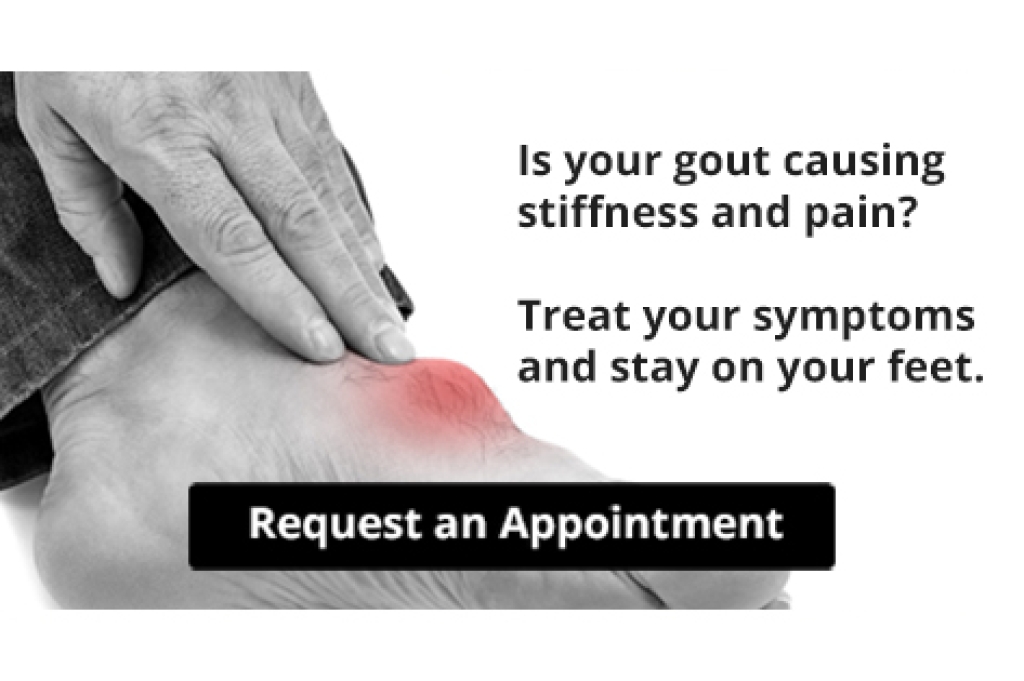
Gout Pain Can Be Managed

Gout is a painful, inflammatory form of arthritis. Those affected will typically feel an intense stiffness in the joints of their feet, particularly in the big toe. Schedule a visit to learn about how gout can be managed and treated.

Types and Considerations of Toe Fractures

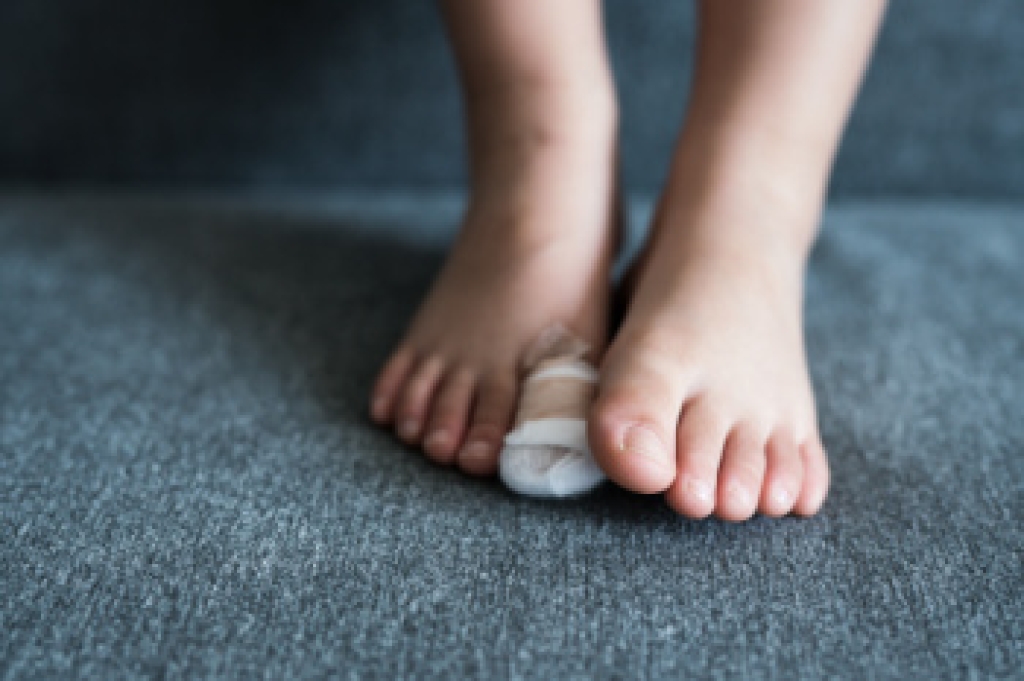
Toe fractures, though often considered minor injuries, can cause significant discomfort and hinder mobility. There are several types of toe fractures, each with its own characteristics and treatment considerations. A common type is a closed fracture, where the bone breaks but does not penetrate the skin. Open fractures occur when the broken bone pierces through the skin, increasing the risk of infection and requiring immediate medical attention. Stress fractures, caused by repetitive stress or overuse, are hairline cracks in the bone that may develop gradually over time. Another type is a displaced fracture, where the broken ends of the bone do not align properly, potentially requiring realignment through manipulation or surgery. Avulsion fractures involve the tearing away of a piece of bone where a tendon or ligament attaches. Regardless of the type of fracture, prompt evaluation by a podiatrist is suggested to determine the appropriate treatment approach and ensure optimal healing and recovery of the injured toe. If you have fractured your toe, it is strongly suggested that you confer with this type of doctor who can determine the type of fracture, and offer the treatment solution that is best for you.

A broken toe can be very painful and lead to complications if not properly fixed. If you have any concerns about your feet, contact Wendy L. Grossman, DPM from New Jersey. Our doctor will treat your foot and ankle needs.

What to Know About a Broken Toe

Although most people try to avoid foot trauma such as banging, stubbing, or dropping heavy objects on their feet, the unfortunate fact is that it is a common occurrence. Given the fact that toes are positioned in front of the feet, they typically sustain the brunt of such trauma. When trauma occurs to a toe, the result can be a painful break (fracture).

Symptoms of a Broken Toe

  • Throbbing pain
  • Swelling
  • Bruising on the skin and toenail
  • The inability to move the toe
  • Toe appears crooked or disfigured
  • Tingling or numbness in the toe

Generally, it is best to stay off of the injured toe with the affected foot elevated.

Severe toe fractures may be treated with a splint, cast, and in some cases, minor surgery. Due to its position and the pressure it endures with daily activity, future complications can occur if the big toe is not properly treated.

If you have any questions, please feel free to contact our office located in Bloomfield, NJ . We offer the newest diagnostic and treatment technologies for all your foot care needs.
Read more about What to Know About a Broken Toe

Is Laser Treatment for Toenail Fungus Effective?

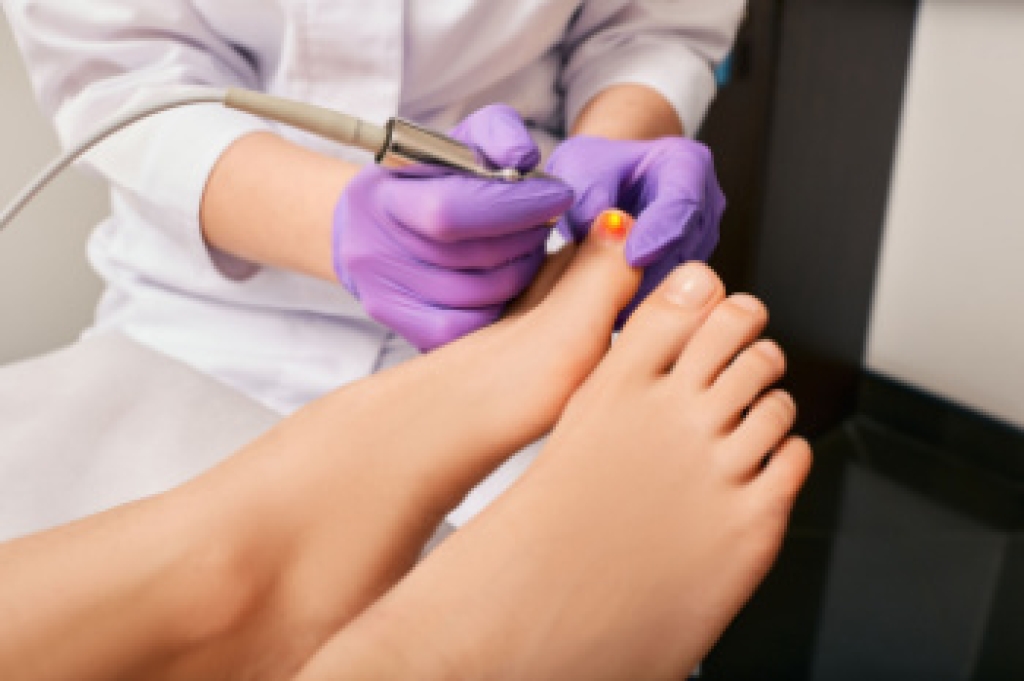
Laser treatment for toenail fungus, also known as laser therapy or laser nail therapy, has gained popularity as a non-invasive approach to combat stubborn fungal infections. This innovative procedure involves directing a concentrated beam of light onto the infected nail, which penetrates the nail bed to target and destroy the fungal organisms causing the infection. Laser therapy works by generating heat that effectively eradicates the fungus while sparing the surrounding tissue. The procedure is relatively painless and typically requires multiple sessions for optimal results. While laser treatment offers several advantages, including minimal side effects and no downtime, its effectiveness varies among individuals and depends on the severity of the infection. Additionally, laser therapy may not be suitable for everyone, and results may not be immediate, requiring patience and commitment to the treatment regimen. If you have toenail fungus and are considering laser therapy, it is suggested that you consult a podiatrist who can determine if this type of treatment is appropriate for you.

Laser treatment can be an effective way to get rid of toenail fungus. If you have any questions about laser treatment, consult with Wendy L. Grossman, DPM from New Jersey. Our doctor will assess your condition and provide you with quality treatment for fungal nails.

What Are Toenail Fungal Infections?

Onychomycosis, or fungal infection of the nail, is a relatively common and non-serious condition. Around 10 percent of U.S. citizens are afflicted with fungal nails. Common forms of fungus that infect the nail include dermatophytes, yeasts, and molds.

Symptoms of Toenail Fungal Infections Include:

  • Nail thickening
  • Brittleness of the nail
  • Discoloration of the nail

Diagnosis for Fungal Nails

Fungal infections are diagnosed by fungal culture and microscopy. This will rule out any other conditions such as nail trauma, psoriasis, lichen planus, and onychogryphosis.

What Is Laser Treatment?

Laser treatment is a non-invasive, safe, quick, and painless procedure that uses the heat from a laser to kill fungus in the nail. Each infected nail is targeted with a laser for several minutes. The treatment is usually utilized several different times over a select period. During this time, a podiatrist will keep an eye on the infection.

If you have any questions, please feel free to contact our office located in Bloomfield, NJ . We offer the newest diagnostic and treatment technologies for all your foot care needs.

Read more about Laser Treatment for Fungal Nails

Managing Injuries From Playing Soccer

The sport of soccer demands rigorous physical activity that put players at risk of injuries, particularly injuries affecting the lower extremities. Ankle and foot injuries, including sprains, strains, and fractures, are common among soccer players due to the frequent pivoting, cutting, and sudden changes in direction inherent in the game. These injuries often result from player contact, falls, or improper landing techniques. Preventive measures include proper conditioning and gradual intensity progression in training. Wearing appropriate protective gear, including well-fitted shin guards and supportive footwear, is extremely important. Ankle taping or bracing can significantly decrease injury occurrence and recurrence rates. If you have sustained a foot or ankle injury from playing soccer, it is suggested that you schedule an appointment with a podiatrist as quickly as possible for a diagnosis and treatment options. 

Ankle and foot injuries are common among athletes and in many sports. They can be caused by several problems and may be potentially serious. If you are feeling pain or think you were injured in a sporting event or when exercising, consult with Wendy L. Grossman, DPM from New Jersey. Our doctor will assess your condition and provide you with quality foot and ankle treatment.

Common Injuries

The most common injuries that occur in sporting activities include:

  • Achilles Tendonitis
  • Achilles Tendon Rupture
  • Ankle Sprains
  • Broken Foot
  • Plantar Fasciitis
  • Stress Fractures
  • Turf Toe

Symptoms

Symptoms vary depending upon the injury and in some cases, there may be no symptoms at all. However, in most cases, some form of symptom is experienced. Pain, aching, burning, bruising, tenderness, tightness or stiffness, sensation loss, difficulty moving, and swelling are the most common symptoms.

Treatment

Just as symptoms vary depending upon the injury, so do treatment options. A common treatment method is known as the RICE method. This method involves rest, applying ice, compression and elevating the afflicted foot or ankle. If the injury appears to be more serious, surgery might be required, such as arthroscopic or reconstructive surgery. Lastly, rehabilitation or therapy might be needed to gain full functionality in the afflicted area. Any discomfort experienced by an athlete must be evaluated by a licensed, reputable medical professional.  

If you have any questions please contact our office located in Bloomfield, NJ . We offer the newest diagnostic and treatment technologies for all your foot and ankle needs.

Read more about Sports Related Foot and Ankle Injuries

When a Total Contact Cast Is Needed

For people battling diabetic foot ulcers, a total contact cast can be a game-changer in the healing process. These casts, meticulously crafted to fit snugly around the foot and lower leg, help to distribute weight evenly across the sole, allowing for effective ulcer management and healing. Diabetes often leads to foot problems, like neuropathy, where individuals lose sensation in their feet. This lack of feeling makes it challenging to detect blisters, cuts, or sores, which can quickly escalate into ulcers if left untreated. Total contact casts are primarily recommended for individuals with diabetic foot ulcers that resist conventional treatment methods. A total contact cast provides a protective shield for the ulcer, allowing it to heal efficiently. By reducing pressure on the affected area, these casts promote faster recovery. Typically, most ulcers show significant improvement within six to eight weeks with the consistent use of total contact casts. While wearing a total contact cast, it is important to prioritize its care and adhere to certain precautions, such as keeping it dry, minimizing walking, watching for complications, and managing itching and discomfort. To find out if a total contact cast is an option for treating your diabetic foot ulcer, it is suggested that you schedule an appointment with a podiatrist for an evaluation. 

Diabetic foot care is important in preventing foot ailments such as ulcers. If you are suffering from diabetes or have any other concerns about your feet, contact Wendy L. Grossman, DPM from New Jersey. Our doctor can provide the care you need to keep you pain-free and on your feet.

Diabetic Foot Care

Diabetes affects millions of people every year. The condition can damage blood vessels in many parts of the body, especially the feet. Because of this, taking care of your feet is essential if you have diabetes, and having a podiatrist help monitor your foot health is highly recommended.

The Importance of Caring for Your Feet

  • Routinely inspect your feet for bruises or sores.
  • Wear socks that fit your feet comfortably.
  • Wear comfortable shoes that provide adequate support.

Patients with diabetes should have their doctor monitor their blood levels, as blood sugar levels play such a huge role in diabetic care. Monitoring these levels on a regular basis is highly advised.

It is always best to inform your healthcare professional of any concerns you may have regarding your feet, especially for diabetic patients. Early treatment and routine foot examinations are keys to maintaining proper health, especially because severe complications can arise if proper treatment is not applied.

If you have any questions, please feel free to contact our office located in Bloomfield, NJ . We offer the newest diagnostic and treatment technologies for all your foot care needs.

Read more about Diabetic Foot Care

Combatting Morton's Neuroma Pain for Peak Athletic Performance

Morton's neuroma can have a significant impact on athletes, affecting their performance and overall foot comfort. Morton’s neuroma occurs when the tissue around one of the nerves connected to the toes thickens and becomes inflamed. Symptoms of Morton’s neuroma, including pain and discomfort in the ball of the foot, can be exacerbated during activities that involve repetitive stress on the front of the foot, like running or jumping. This is why forefoot pain and Morton’s neuroma are more common in athletes who use those repetitive motions. Athletes experiencing Morton's neuroma may find their agility and endurance compromised. However, there are strategies to manage pain so athletes can continue to exercise. Choosing appropriate footwear with ample cushioning and room for the toes is crucial. Additionally, incorporating orthotic inserts can provide extra support and alleviate pressure on the affected area. Athletes should also consider modifying their training routines to include low-impact exercises and activities that reduce stress on the forefoot. If you have pain in the ball of your foot, it is suggested that you consult with a podiatrist who can locate the source of the pain and provide treatment options for conditions such as Morton’s neuroma. 

Morton’s neuroma is a very uncomfortable condition to live with. If you think you have Morton’s neuroma, contact Wendy L. Grossman, DPM of New Jersey. Our doctor will attend to all of your foot care needs and answer any of your related questions.  

Morton’s Neuroma

Morton's neuroma is a painful foot condition that commonly affects the areas between the second and third or third and fourth toe, although other areas of the foot are also susceptible. Morton’s neuroma is caused by an inflamed nerve in the foot that is being squeezed and aggravated by surrounding bones.

What Increases the Chances of Having Morton’s Neuroma?

  • Ill-fitting high heels or shoes that add pressure to the toe or foot
  • Jogging, running or any sport that involves constant impact to the foot
  • Flat feet, bunions, and any other foot deformities

Morton’s neuroma is a very treatable condition. Orthotics and shoe inserts can often be used to alleviate the pain on the forefront of the feet. In more severe cases, corticosteroids can also be prescribed. In order to figure out the best treatment for your neuroma, it’s recommended to seek the care of a podiatrist who can diagnose your condition and provide different treatment options.

If you have any questions, please feel free to contact our office located in Bloomfield, NJ . We offer the newest diagnostic and treatment technologies for all your foot care needs.

Read more about Morton's Neuroma

Causes of and Diagnostic Insights Into Sesamoiditis

Sesamoiditis, a condition affecting the tiny sesamoid bones just below the big toe, can be a source of discomfort for many. The primary cause of sesamoiditis is repetitive stress on these small bones, often incurred during activities such as running and dancing, that involve increased pressure on the forefoot. Additionally, wearing high-heeled shoes or participating in sports that require frequent push-off movements can contribute to the development of sesamoiditis. Recognizing the symptoms, which include pain, swelling, and difficulty bearing weight on the affected foot, is vital for timely intervention. Diagnosing sesamoiditis involves a comprehensive examination by a podiatrist. Clinical evaluation, including assessing the range of motion and palpating the affected area, is key. Imaging studies like X-rays may be employed to visualize the sesamoid bones and confirm the diagnosis. If you have pain in this part of your foot, it is strongly suggested that you confer with a podiatrist who can diagnose and offer correct treatment for this condition.

Sesamoiditis is an unpleasant foot condition characterized by pain in the balls of the feet. If you think you’re struggling with sesamoiditis, contact Wendy L. Grossman, DPM of New Jersey. Our doctor will treat your condition thoroughly and effectively.

Sesamoiditis

Sesamoiditis is a condition of the foot that affects the ball of the foot. It is more common in younger people than it is in older people. It can also occur with people who have begun a new exercise program, since their bodies are adjusting to the new physical regimen. Pain may also be caused by the inflammation of tendons surrounding the bones. It is important to seek treatment in its early stages because if you ignore the pain, this condition can lead to more serious problems such as severe irritation and bone fractures.

Causes of Sesamoiditis

  • Sudden increase in activity
  • Increase in physically strenuous movement without a proper warm up or build up
  • Foot structure: those who have smaller, bonier feet or those with a high arch may be more susceptible

Treatment for sesamoiditis is non-invasive and simple. Doctors may recommend a strict rest period where the patient forgoes most physical activity. This will help give the patient time to heal their feet through limited activity. For serious cases, it is best to speak with your doctor to determine a treatment option that will help your specific needs.

If you have any questions, please feel free to contact our office located in Bloomfield, NJ . We offer the newest diagnostic and treatment technologies for all your foot care needs.

Read more about Sesamoiditis

How Wearing High Heels Affects Runners

The impact of wearing high heels may profoundly affect the feet. Recent studies explore the potential consequences of prolonged high heel use. Wearing high heels over an extended period can lead to increased energy expenditure and less efficient walking mechanics. The key issue for runners is the restriction of ankle dorsiflexion, the movement that allows your shinbone to pivot over your foot. This limitation not only shortens hip extension and stride but also interferes with the smooth activation of your calf and other muscles during walking. These findings align with the perspective of those advocating for minimalist shoes, emphasizing the influence of any heel, regardless of its size. When it comes to the frequency of high heel usage for runners, the ideal recommendation is to avoid prolonged periods of wear. Occasional use for short durations, such as a few hours at social events, is considered less concerning. However, habitual use during extended periods such as office hours or weekends may bring about lasting changes in biomechanics. Balancing style with foot health involves making informed choices to ensure optimal comfort and functionality for your feet when you run. It is suggested that you consult a podiatrist for guidance about the long term dangers of wearing high heels.

High heels have a history of causing foot and ankle problems. If you have any concerns about your feet or ankles, contact Wendy L. Grossman, DPM from New Jersey. Our doctor can provide the care you need to keep you pain-free and on your feet.

Effects of High Heels on the Feet

High heels are popular shoes among women because of their many styles and societal appeal.  Despite this, high heels can still cause many health problems if worn too frequently.

Which Parts of My Body Will Be Affected by High Heels?

  • Ankle Joints
  • Achilles Tendon – May shorten and stiffen with prolonged wear
  • Balls of the Feet
  • Knees – Heels cause the knees to bend constantly, creating stress on them
  • Back – They decrease the spine’s ability to absorb shock, which may lead to back pain.  The vertebrae of the lower back may compress.

What Kinds of Foot Problems Can Develop from Wearing High Heels?

  • Corns
  • Calluses
  • Hammertoe
  • Bunions
  • Morton’s Neuroma
  • Plantar Fasciitis

How Can I Still Wear High Heels and Maintain Foot Health?

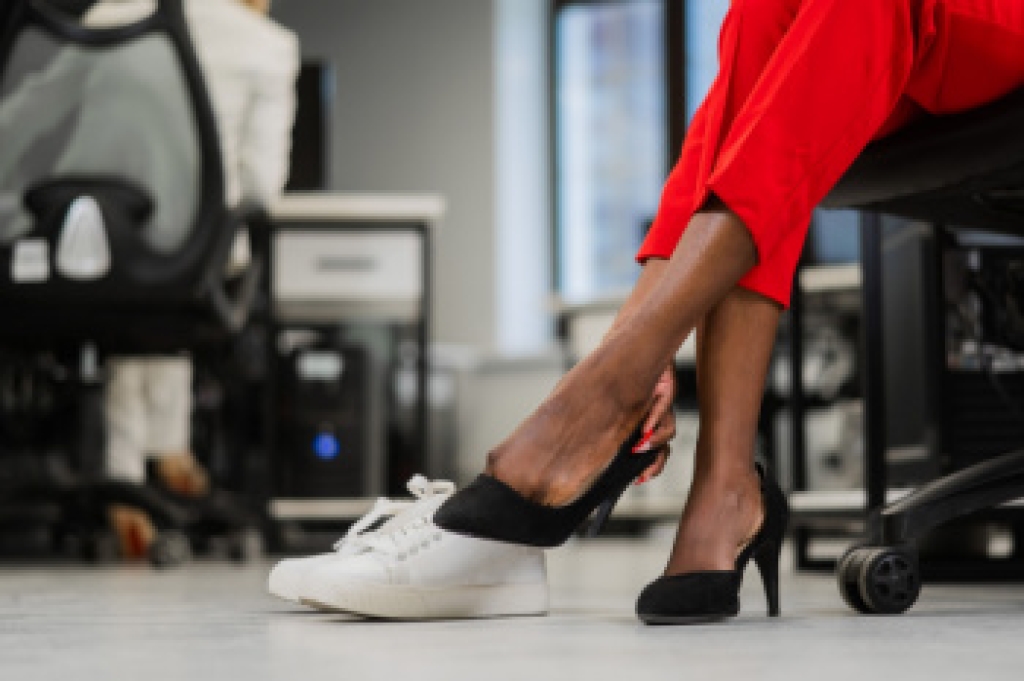
If you want to wear high heeled shoes, make sure that you are not wearing them every day, as this will help prevent long term physical problems.  Try wearing thicker heels as opposed to stilettos to distribute weight more evenly across the feet.  Always make sure you are wearing the proper shoes for the right occasion, such as sneakers for exercising.  If you walk to work, try carrying your heels with you and changing into them once you arrive at work.  Adding inserts to your heels can help cushion your feet and absorb shock. Full foot inserts or metatarsal pads are available. 

If you have any questions, please feel free to contact our office located in Bloomfield, NJ . We offer the newest diagnostic and treatment technologies for all your foot care needs.

Read more about Effect of High Heels on the Feet

Connect With Us