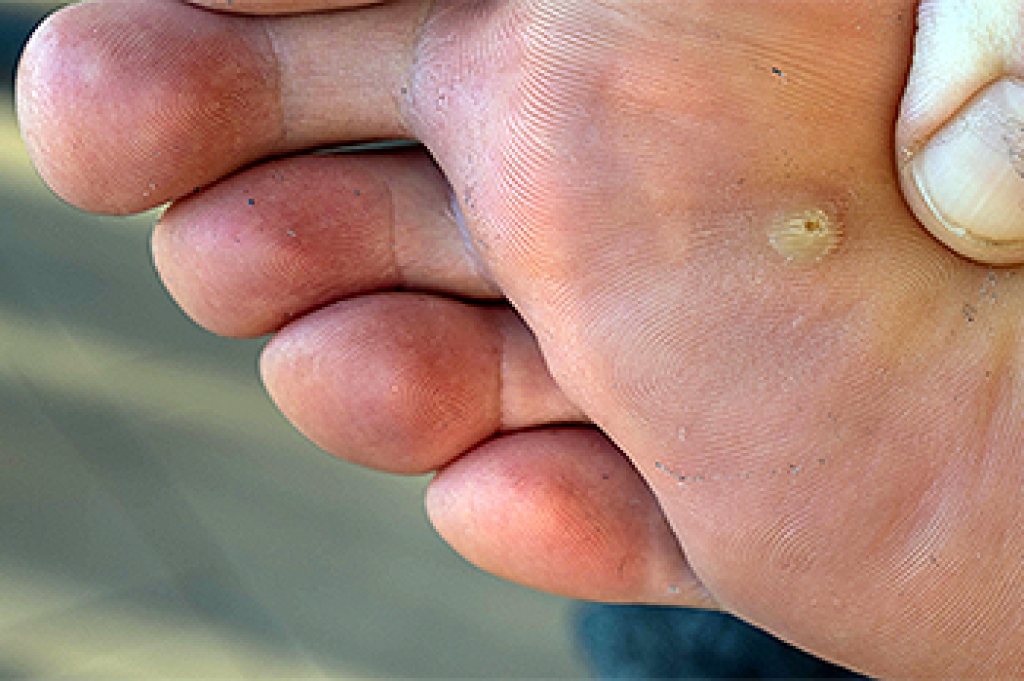
Causes and Prevention of Plantar Warts

Plantar warts are small, rough growths that appear on the soles of the feet, often causing discomfort or pain when walking. They are caused by a viral infection, specifically the human papillomavirus, or HPV, which enters the skin through small cuts or abrasions. The virus thrives in warm, moist environments, making places like public showers, swimming pools areas, and gym locker rooms common areas for infection. To prevent plantar warts, it is essential to avoid walking barefoot in public spaces and to keep feet clean and dry. Wearing moisture-wicking socks and well-fitting shoes can also help minimize the risk. If you have developed a plantar wart, it is suggested that you promptly schedule an appointment with a podiatrist who can provide safe and sterile medical care for relief and removal. 

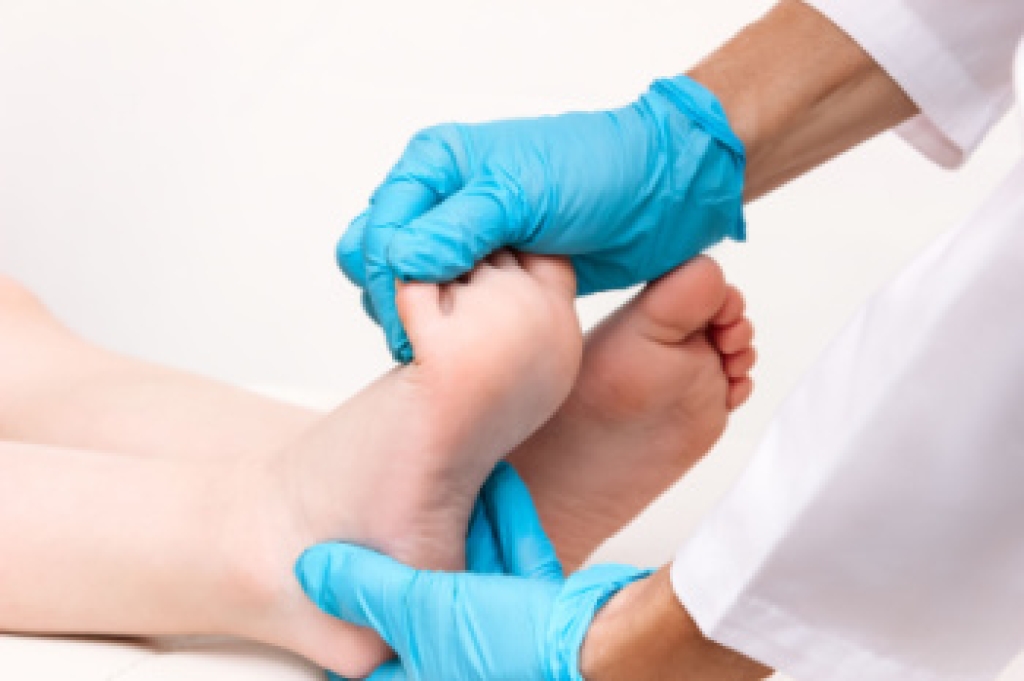
Plantar warts can be very uncomfortable. If you need your feet checked, contact Wendy L. Grossman, DPM from New Jersey. Our doctor will assist you with all of your foot and ankle needs.

About Plantar Warts

Plantar warts are the result of HPV, or human papillomavirus, getting into open wounds on the feet. They are mostly found on the heels or balls of the feet.

While plantar warts are generally harmless, those experiencing excessive pain or those suffering from diabetes or a compromised immune system require immediate medical care. Plantar warts are easily diagnosed, usually through scraping off a bit of rough skin or by getting a biopsy.

Symptoms

  • Lesions on the bottom of your feet, usually rough and grainy
  • Hard or thick callused spots
  • Wart seeds, which are small clotted blood vessels that look like little black spots
  • Pain, discomfort, or tenderness of your feet when walking or standing

Treatment

  • Freezing
  • Electric tool removal
  • Laser Treatment
  • Topical Creams (prescription only)
  • Over-the-counter medications

To help prevent developing plantar warts, avoid walking barefoot over abrasive surfaces that can cause cuts or wounds for HPV to get into. Avoiding direct contact with other warts, as well as not picking or rubbing existing warts, can help prevent the further spread of plantar warts. However, if you think you have developed plantar warts, speak to your podiatrist. He or she can diagnose the warts on your feet and recommend the appropriate treatment options.

If you have any questions, please feel free to contact our office located in Bloomfield, NJ . We offer the newest diagnostic and treatment technologies for all your foot care needs.
Read more about All About Plantar Warts

Causes and Prevention of Cuts on Children’s Feet

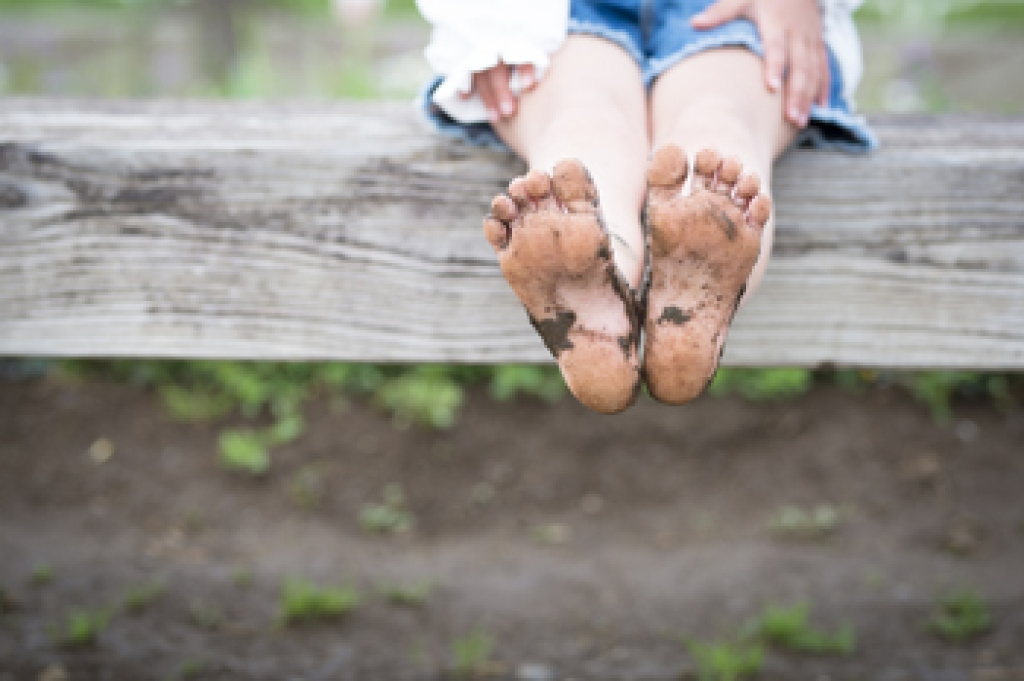
Children are constantly on the move, making their feet vulnerable to cuts from sharp objects, rough surfaces, or accidental scrapes. These injuries are common in barefoot activities like playing on the beach, running outside, or walking around pools. Cuts can happen to any child, but are more frequent in those who are active or prone to minor accidents. Small cuts are usually cleaned, covered with an antibiotic ointment, and bandaged to prevent dirt and bacteria from entering. Deeper wounds may require butterfly bandages or medical closure strips to keep the skin together while healing. To prevent infection, parents should monitor healing, change dressings regularly, and watch for signs of redness, swelling, or pus. Keeping feet clean and covered in risky environments can reduce injuries. If a cut is deep, slow to heal, or shows signs of infection, it is strongly suggested that you take your child in to see a podiatrist for proper care.

Wound care is an important part in dealing with diabetes. If you have diabetes and a foot wound or would like more information about wound care for diabetics, consult with Wendy L. Grossman, DPM from New Jersey. Our doctor will assess your condition and provide you with quality foot and ankle treatment.

What Is Wound Care?

Wound care is the practice of taking proper care of a wound. This can range from the smallest to the largest of wounds. While everyone can benefit from proper wound care, it is much more important for diabetics. Diabetics often suffer from poor blood circulation which causes wounds to heal much slower than they would in a non-diabetic. 

What Is the Importance of Wound Care?

While it may not seem apparent with small ulcers on the foot, for diabetics, any size ulcer can become infected. Diabetics often also suffer from neuropathy, or nerve loss. This means they might not even feel when they have an ulcer on their foot. If the wound becomes severely infected, amputation may be necessary. Therefore, it is of the upmost importance to properly care for any and all foot wounds.

How to Care for Wounds

The best way to care for foot wounds is to prevent them. For diabetics, this means daily inspections of the feet for any signs of abnormalities or ulcers. It is also recommended to see a podiatrist several times a year for a foot inspection. If you do have an ulcer, run the wound under water to clear dirt from the wound; then apply antibiotic ointment to the wound and cover with a bandage. Bandages should be changed daily and keeping pressure off the wound is smart. It is advised to see a podiatrist, who can keep an eye on it.

If you have any questions please contact our office located in Bloomfield, NJ . We offer the newest diagnostic and treatment technologies for all your foot and ankle needs.

Read more about Wound Care

Causes of Pain in the Arch of the Feet

Pain in the arch of the foot can greatly impact your daily life, making it challenging to bear weight or walk. This discomfort may result from a variety of conditions, including plantar fasciitis, flat feet, or overpronation. Plantar fasciitis, a common cause, involves inflammation of the plantar fascia, a thick band of tissue that runs along the bottom of the foot. Flat feet, or fallen arches, occur when the arch collapses, leading to pain and strain due to improper distribution of weight. Overpronation, where the foot rolls inward excessively during walking, can also strain the ligaments and muscles, contributing to arch pain. Additional factors such as obesity, ill-fitting footwear, and repetitive high-impact activities can worsen the issue. A podiatrist, a specialist in diagnosing and treating foot conditions, can evaluate your feet to determine the underlying cause of the pain. Treatment may include custom orthotics or specific exercises to relieve pain and improve foot function. If you are experiencing arch pain, it is suggested that you schedule an appointment with a podiatrist for an evaluation and to discuss potential treatment options.

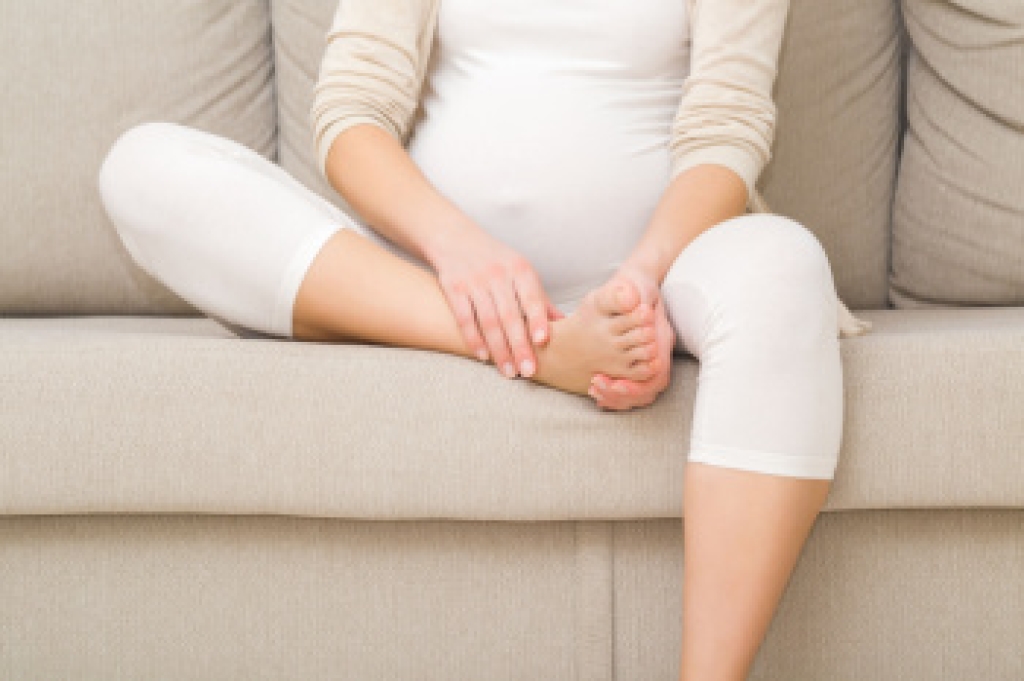
Foot Pain

Foot pain can be extremely painful and debilitating. If you have a foot pain, consult with Wendy L. Grossman, DPM  from New Jersey. Our doctor will assess your condition and provide you with quality foot and ankle treatment.

Causes

Foot pain is a very broad condition that could be caused by one or more ailments. The most common include:

  • Bunions
  • Hammertoes
  • Plantar Fasciitis
  • Bone Spurs
  • Corns
  • Tarsal Tunnel Syndrome
  • Ingrown Toenails
  • Arthritis (such as Gout, Rheumatoid, and Osteoarthritis)
  • Flat Feet
  • Injury (from stress fractures, broken toe, foot, ankle, Achilles tendon ruptures, and sprains)
  • And more

Diagnosis

To figure out the cause of foot pain, podiatrists utilize several different methods. This can range from simple visual inspections and sensation tests to X-rays and MRI scans. Prior medical history, family medical history, and any recent physical traumatic events will all be taken into consideration for a proper diagnosis.

Treatment

Treatment depends upon the cause of the foot pain. Whether it is resting, staying off the foot, or having surgery; podiatrists have a number of treatment options available for foot pain.

If you have any questions, please feel free to contact our office located in Bloomfield, NJ . We offer the newest diagnostic and treatment technologies for all your foot care needs.
Read more about Foot Pain

How Pregnancy Affects Foot Size

During pregnancy, many women experience changes in their feet, with one of the most noticeable being an increase in foot size. This occurs due to a combination of factors related to hormonal changes, weight gain, and the growing baby. Increased levels of the hormone relaxin play a significant role by loosening ligaments and joints in the body to accommodate childbirth. This relaxation of ligaments can lead to the feet becoming wider and longer. Additionally, the weight gained during pregnancy puts added pressure on the feet, causing the arches to flatten and the feet to spread. Fluid retention is another contributing factor, as the body retains more fluids during pregnancy, which can lead to swelling in the feet and ankles. As a result, many women find that their shoe size increases during pregnancy, and some may experience permanent changes even after childbirth. If you have foot pain during your pregnancy, it is suggested that you consult a podiatrist who can treat various foot conditions, and offer effective relief tips. 

Pregnant women with swollen feet can be treated with a variety of different methods that are readily available. For more information about other cures for swollen feet during pregnancy, consult with Wendy L. Grossman, DPM from New Jersey. Our doctor will attend to all of your foot and ankle needs.

What Foot Problems Can Arise During Pregnancy?

One problem that can occur is overpronation, which occurs when the arch of the foot flattens and tends to roll inward.  This can cause pain and discomfort in your heels while you’re walking or even just standing up, trying to support your baby.  

Another problem is edema, or swelling in the extremities. This often affects the feet during pregnancy but tends to occur in the later stages. 

How Can I Keep My Feet Healthy During Pregnancy?

  • Wearing orthotics can provide extra support for the feet and help distribute weight evenly
  • Minimize the amount of time spent walking barefoot
  • Wear shoes with good arch support
  • Wear shoes that allow for good circulation to the feet
  • Elevate feet if you experience swelling
  • Massage your feet
  • Get regular, light exercise, such as walking, to promote blood circulation to the feet

If you have any questions, please feel free to contact our office located in Bloomfield, NJ . We offer the newest diagnostic and treatment technologies for all your foot care needs.
Read more about Foot Care for Pregnant Women

Why Wearing High Heels May Cause Foot Pain

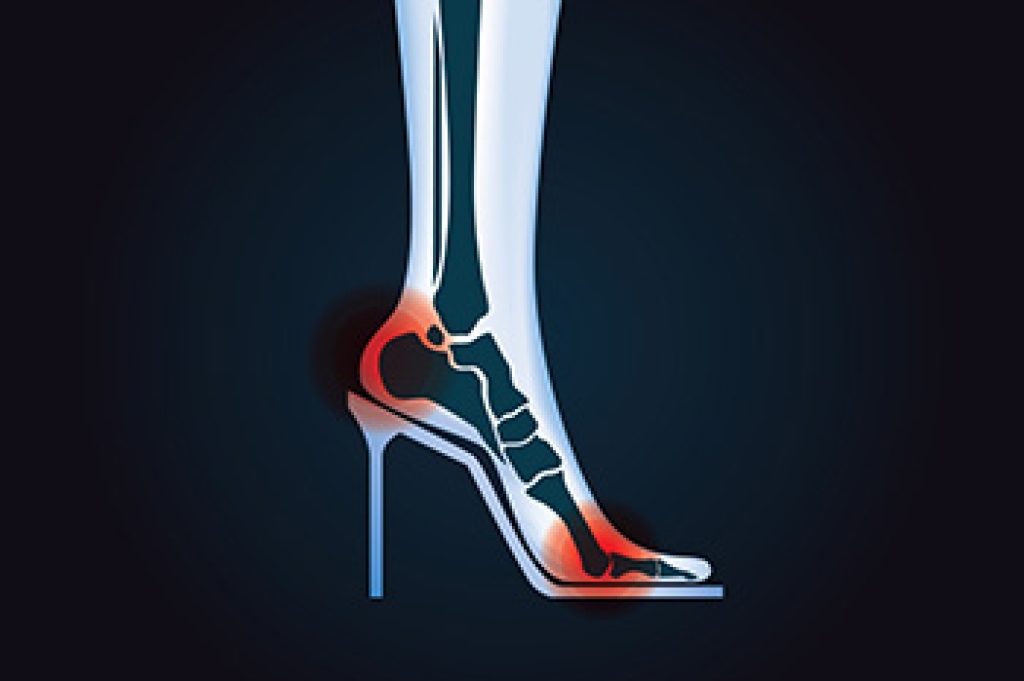
Wearing high heels can lead to a variety of foot problems due to the unnatural positioning and pressure they place on the feet. High heels force the toes into a confined space and push the body’s weight forward, increasing pressure on the toes and the ball of the foot. This can lead to painful conditions such as bunions, corns, and calluses. Over time, wearing high heels can also cause shortening and tightening of the Achilles tendon, leading to Achilles tendinitis or heel pain. Additionally, the elevated heel alters the natural alignment of the spine and joints, potentially causing back and knee pain. High heels can also contribute to the development of plantar fasciitis due to the strain they place on the bottom of the foot. While wearing high heels occasionally may not cause immediate harm, frequent use can lead to long-term foot and joint problems. If you have foot pain from wearing high heels, it is suggested that you confer with a podiatrist who can treat various foot conditions, and educate you on more appropriate  shoes to wear.

High heels have a history of causing foot and ankle problems. If you have any concerns about your feet or ankles, contact Wendy L. Grossman, DPM from New Jersey. Our doctor can provide the care you need to keep you pain-free and on your feet.

Effects of High Heels on the Feet

High heels are popular shoes among women because of their many styles and societal appeal.  Despite this, high heels can still cause many health problems if worn too frequently.

Which Parts of My Body Will Be Affected by High Heels?

  • Ankle Joints
  • Achilles Tendon – May shorten and stiffen with prolonged wear
  • Balls of the Feet
  • Knees – Heels cause the knees to bend constantly, creating stress on them
  • Back – They decrease the spine’s ability to absorb shock, which may lead to back pain.  The vertebrae of the lower back may compress.

What Kinds of Foot Problems Can Develop from Wearing High Heels?

  • Corns
  • Calluses
  • Hammertoe
  • Bunions
  • Morton’s Neuroma
  • Plantar Fasciitis

How Can I Still Wear High Heels and Maintain Foot Health?

If you want to wear high heeled shoes, make sure that you are not wearing them every day, as this will help prevent long term physical problems.  Try wearing thicker heels as opposed to stilettos to distribute weight more evenly across the feet.  Always make sure you are wearing the proper shoes for the right occasion, such as sneakers for exercising.  If you walk to work, try carrying your heels with you and changing into them once you arrive at work.  Adding inserts to your heels can help cushion your feet and absorb shock. Full foot inserts or metatarsal pads are available. 

If you have any questions, please feel free to contact our office located in Bloomfield, NJ . We offer the newest diagnostic and treatment technologies for all your foot care needs.

Read more about Why High Heels Are Not Ideal for Healthy Feet

Are You Suffering From Ingrown Toenails?

If left untreated, an ingrown toenail can lead to more serious concerns, such as an infection. Knowing proper nail care can help in the prevention of an ingrown toenail. Give us a call, and get treated!

Cracked Heel Care

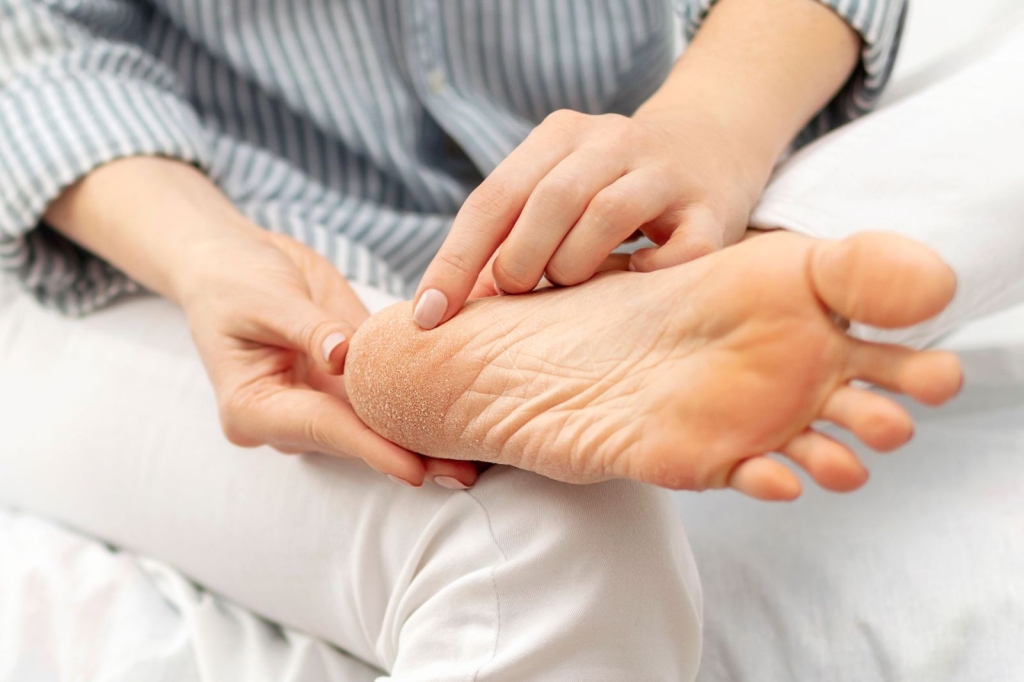
Cracked heels, a common foot issue, are more frequently reported in women than men, possibly due to footwear choices or hormonal differences affecting skin elasticity. These dry, thickened skin fissures can develop from prolonged standing, wearing open-backed shoes, or exposure to dry environments. Other risk factors include obesity, aging, and medical conditions like diabetes or eczema, which impair skin health. Prevention starts with keeping feet moisturized and exfoliated to remove dead skin. Wearing supportive, closed-back shoes and using heel balms with urea or salicylic acid can help maintain skin hydration and elasticity. If cracks deepen or cause pain, it is strongly suggested that you consult a podiatrist. They can debride thickened skin, recommend prescription-strength treatments, and address underlying conditions contributing to the problem.

If the skin on your feet starts to crack, you may want to see a podiatrist to find treatment. If you have any concerns, contact Wendy L. Grossman, DPM from New Jersey. Our doctor can provide the care you need to keep you pain-free and on your feet.

Cracked Heels

It is important to moisturize your cracked heels in order to prevent pain, bleeding, and infection. The reason cracked heels form is because the skin on the foot is too dry to support the immense pressure placed on them. When the foot expands, the dry skin on the foot begins to split.

Ways to Help Heal Them

  • Invest in a good foot cream
  • Try Using Petroleum Jelly
  • Ease up on Soaps
  • Drink Plenty of Water

Ways to Prevent Cracked Heels

  • Moisturize After Showering
  • Skip a Shower
  • Keep Shower Water Lukewarm
  • Don’t Scrub Your Feet

If you are unsure how to proceed in treating cracked heels, seek guidance from a podiatrist. Your doctor will help you with any questions or information you may need. 

If you have any questions, please feel free to contact our office located in Bloomfield, NJ . We offer the newest diagnostic and treatment technologies for all your foot care needs.
Read more about Solutions for Cracked Heels

Understanding Sever's Disease

Sever's disease, also known as calcaneal apophysitis, is a source of heel pain in growing children and adolescents. It is particularly common among those involved in sports with a lot of running, like soccer, or basketball. It occurs when the growth plate in the heel becomes irritated or inflamed due to repetitive stress, often worsened by activities that involve running or jumping. The main symptoms of Sever's disease include heel pain, tenderness, and swelling at the back of the heel, especially after physical activity. Children may also limp or complain of discomfort when walking or standing for long periods. Treatment typically focuses on relieving pain and reducing inflammation. This may include rest and stretching exercises for the Achilles tendon. Custom orthotics or heel pads can also help reduce pressure on the heel. In severe cases, a podiatrist may recommend a period of restricted activity. If your child is dealing with this condition, it is suggested that you schedule an appointment with a podiatrist.

Sever's disease often occurs in children and teens. If your child is experiencing foot or ankle pain, see Wendy L. Grossman, DPM from New Jersey. Our doctor can treat your child’s foot and ankle needs.

Sever’s Disease

Sever’s disease is also known as calcaneal apophysitis, which is a medical condition that causes heel pain I none or both feet. The disease is known to affect children between the ages of 8 and 14.

Sever’s disease occurs when part of the child’s heel known as the growth plate (calcaneal epiphysis) is attached to the Achilles tendon. This area can suffer injury when the muscles and tendons of the growing foot do not keep pace with bone growth. Therefore, the constant pain which one experiences at the back of the heel will make the child unable to put any weight on the heel. The child is then forced to walk on their toes.

Symptoms

Acute pain – Pain associated with Sever’s disease is usually felt in the heel when the child engages in physical activity such as walking, jumping and or running.

Highly active – Children who are very active are among the most susceptible in experiencing Sever’s disease, because of the stress and tension placed on their feet.

If you have any questions, please feel free to contact our office located in Bloomfield, NJ . We offer the newest diagnostic and treatment technologies for all your foot care needs.

Read more about Sever's Disease

The Importance of Barefoot Walking for Kids

Barefoot walking offers many advantages for children, particularly in helping them develop essential skills for movement and coordination. By walking without shoes, children strengthen the muscles and tendons in their feet, which supports their ability to walk properly as they grow. The natural movement of the feet also promotes better alignment of the body, which can lead to improved posture. In addition to the physical benefits, barefoot walking supports brain and nervous system development. The soles of the feet are rich in sensory receptors that help send signals to the brain, enhancing sensory processing and motor function. This sensory feedback helps children improve their balance, coordination, and spatial awareness, contributing to cognitive development. If you would like to learn about additional benefits from having your child walk barefoot, it is suggested that you contact a podiatrist who can monitor your child’s foot health, and discuss whether this is a viable option for your lifestyle.

The health of a child’s feet is vital to their overall well-being. If you have any questions regarding foot health, contact Wendy L. Grossman, DPM of New Jersey. Our doctor can provide the care you need to keep you pain-free and on your feet.

Tips for Keeping Children's Feet Healthy

  • Make sure their shoes fit properly
  • Look for any signs of in-toeing or out-toeing
  • Check to see if they have Clubfoot (condition that affects your child’s foot and ankle, twisting the heel and toes inward) which is one of the most common nonmajor birth defects.
  • Lightly cover your baby’s feet (Tight covers may keep your baby from moving their feet freely, and could prevent normal development)
  • Allow your toddler to go shoeless (Shoes can be restricting for a young child’s foot)
  • Cut toenails straight across to avoid ingrown toenails
  • Keep your child’s foot clean and dry
  • Cover cuts and scrapes. Wash any scratches with soap and water and cover them with a bandage until they’ve healed.

If you have any questions, please feel free to contact our office located in Bloomfield, NJ . We offer the newest diagnostic and treatment technologies for all your foot care needs.
Read more about How to Care for Your Child's Feet

Symptoms and Causes of Flat Feet

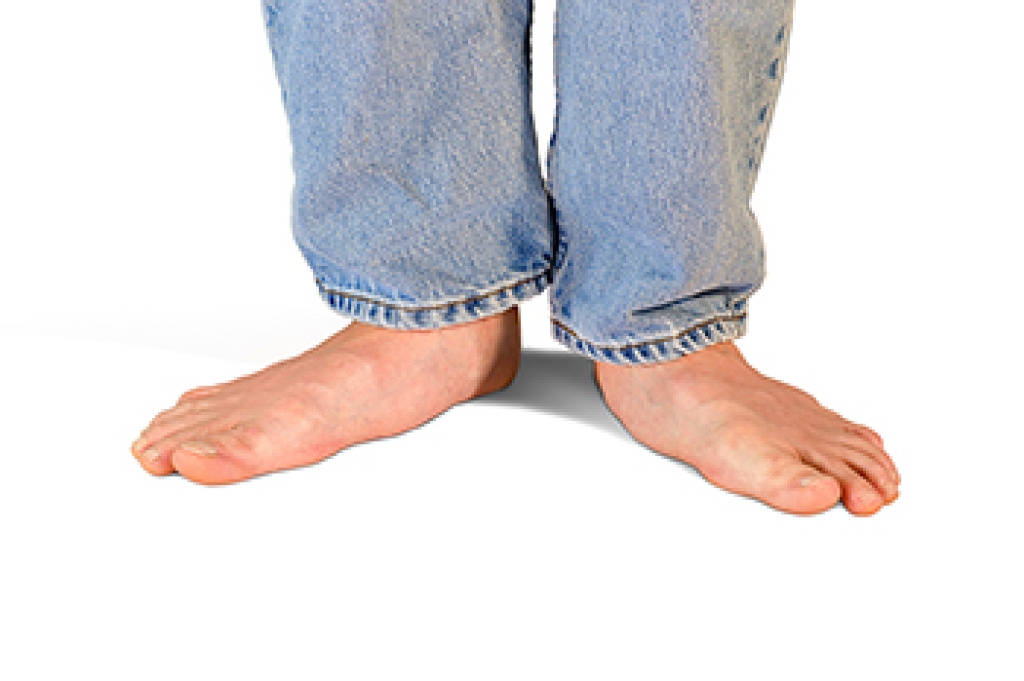
Flat feet, also called fallen arches, occur when the arch of the foot is lower than normal or completely flattened, causing the sole to touch the ground. While this condition is common in children as their arches develop, some people retain flat feet into adulthood. Others develop flat feet later in life due to aging, obesity, diabetes, or arthritis. Flat feet symptoms include pain in the arch, heel, or ankle, swelling, stiffness, and uneven wear on shoes. In some cases, the altered alignment of the feet can affect stability, increasing the risk of tripping or causing discomfort during activity. A podiatrist can diagnose flat feet by examining foot structure and movement. This foot doctor may recommend orthotics, which are custom shoe inserts designed to support the arch, improve foot alignment, and reduce pressure on the feet and ankles. Wearing supportive footwear can also help minimize discomfort. If you are experiencing pain caused by having flat feet, it is suggested that you schedule an appointment with a podiatrist for a diagnosis and treatment options.

Flatfoot is a condition many people suffer from. If you have flat feet, contact Wendy L. Grossman, DPM from New Jersey. Our doctor will treat your foot and ankle needs.

What Are Flat Feet?

Flatfoot is a condition in which the arch of the foot is depressed and the sole of the foot is almost completely in contact with the ground. About 20-30% of the population generally has flat feet because their arches never formed during growth.

Conditions & Problems:

Having flat feet makes it difficult to run or walk because of the stress placed on the ankles.

Alignment – The general alignment of your legs can be disrupted, because the ankles move inward which can cause major discomfort.

Knees – If you have complications with your knees, flat feet can be a contributor to arthritis in that area.  

Symptoms

  • Pain around the heel or arch area
  • Trouble standing on the tip toe
  • Swelling around the inside of the ankle
  • Flat look to one or both feet
  • Having your shoes feel uneven when worn

Treatment

If you are experiencing pain and stress on the foot you may weaken the posterior tibial tendon, which runs around the inside of the ankle. 

If you have any questions, please feel free to contact our office located in Bloomfield, NJ . We offer the newest diagnostic and treatment technologies for all your foot care needs.
Read more about Flat Feet

Connect With Us