
Best Heel Heights for the Feet

When it comes to high heels, opinions vary widely. Some find them elegant and empowering, while others associate them with discomfort. If you belong to the latter group, it might be because you have not discovered the right heel height for your feet. Comfort varies from person to person, depending on foot shape, shoe type, and experience with heels. The average heel height is around 3 inches, falling into the mid-height range. Low heels are 1 to 2 inches, while high heels are 3 to 4 inches. Finding your ideal heel height may require some experimentation. It's a good idea to prioritize foot health and alternate between heels and flats. To measure heel height, place the shoe on a flat surface and measure from the bottom of the heel to where it connects to the shoe. If you would like to wear heels, it is suggested that you make an appointment with a podiatrist to get advice on wearing this type of shoe for your particular feet and prioritizing style and comfort.

High heels have a history of causing foot and ankle problems. If you have any concerns about your feet or ankles, contact Wendy L. Grossman, DPM from New Jersey. Our doctor can provide the care you need to keep you pain-free and on your feet.

Effects of High Heels on the Feet

High heels are popular shoes among women because of their many styles and societal appeal.  Despite this, high heels can still cause many health problems if worn too frequently.

Which Parts of My Body Will Be Affected by High Heels?

  • Ankle Joints
  • Achilles Tendon – May shorten and stiffen with prolonged wear
  • Balls of the Feet
  • Knees – Heels cause the knees to bend constantly, creating stress on them
  • Back – They decrease the spine’s ability to absorb shock, which may lead to back pain.  The vertebrae of the lower back may compress.

What Kinds of Foot Problems Can Develop from Wearing High Heels?

  • Corns
  • Calluses
  • Hammertoe
  • Bunions
  • Morton’s Neuroma
  • Plantar Fasciitis

How Can I Still Wear High Heels and Maintain Foot Health?

If you want to wear high heeled shoes, make sure that you are not wearing them every day, as this will help prevent long term physical problems.  Try wearing thicker heels as opposed to stilettos to distribute weight more evenly across the feet.  Always make sure you are wearing the proper shoes for the right occasion, such as sneakers for exercising.  If you walk to work, try carrying your heels with you and changing into them once you arrive at work.  Adding inserts to your heels can help cushion your feet and absorb shock. Full foot inserts or metatarsal pads are available. 

If you have any questions, please feel free to contact our office located in Bloomfield, NJ . We offer the newest diagnostic and treatment technologies for all your foot care needs.
Read more about Effect of High Heels on the Feet

Understanding the Causes of Ingrown Toenails

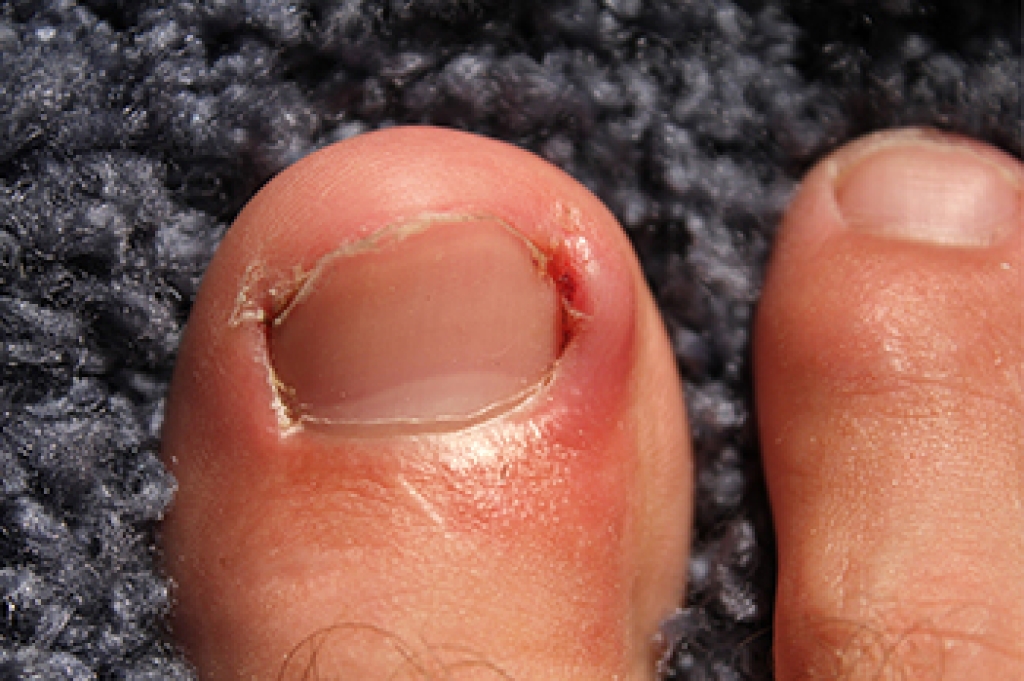
Ingrown toenails are painful foot problems, and can disrupt your daily life, leading to discomfort. Understanding the causes behind them is crucial for prevention and effective management. A common culprit is improper toenail trimming. Cutting nails too short or rounding the edges can encourage them to grow into the skin. Tight-fitting shoes or socks can also compress the toenails, increasing the likelihood of inward growth. Trauma, such as stubbing your toe, also can distort the nail's growth pattern. Additionally, inherited factors and genetics can predispose some individuals to ingrown toenails. Infections and fungal conditions can further exacerbate the problem. It is essential to maintain proper nail care, wear well-fitting footwear, and address any foot issues promptly to reduce the risk of ingrown toenails and enjoy pain-free feet. If you have developed an ingrown toenail, it is suggested that you are under the care of a podiatrist who can provide you with relief and treatment options.

Ingrown toenails may initially present themselves as a minor discomfort, but they may progress into an infection in the skin without proper treatment. For more information about ingrown toenails, contact Wendy L. Grossman, DPM of New Jersey. Our doctor can provide the care you need to keep you pain-free and on your feet.

Ingrown Toenails

Ingrown toenails are caused when the corner or side of a toenail grows into the soft flesh surrounding it. They often result in redness, swelling, pain, and in some cases, infection. This condition typically affects the big toe and may recur if it is not treated properly.

Causes

  • Improper toenail trimming
  • Genetics
  • Improper shoe fitting
  • Injury from pedicures or nail picking
  • Abnormal gait
  • Poor hygiene

You are more likely to develop an ingrown toenail if you are obese, have diabetes, arthritis, or have any fungal infection in your nails. Additionally, people who have foot or toe deformities are at a higher risk of developing an ingrown toenail.

Symptoms

Some symptoms of ingrown toenails are redness, swelling, and pain. In rare cases, there may be a yellowish drainage coming from the nail.

Treatment

Ignoring an ingrown toenail can have serious complications. Infections of the nail border can progress to a deeper soft-tissue infection, which can then turn into a bone infection. You should always speak with your podiatrist if you suspect you have an ingrown toenail, especially if you have diabetes or poor circulation.

If you have any questions, please feel free to contact our office located in Bloomfield, NJ . We offer the newest diagnostic and treatment technologies for all your foot care needs.
Read more about Ingrown Toenail Care

Common Causes of Swollen Feet

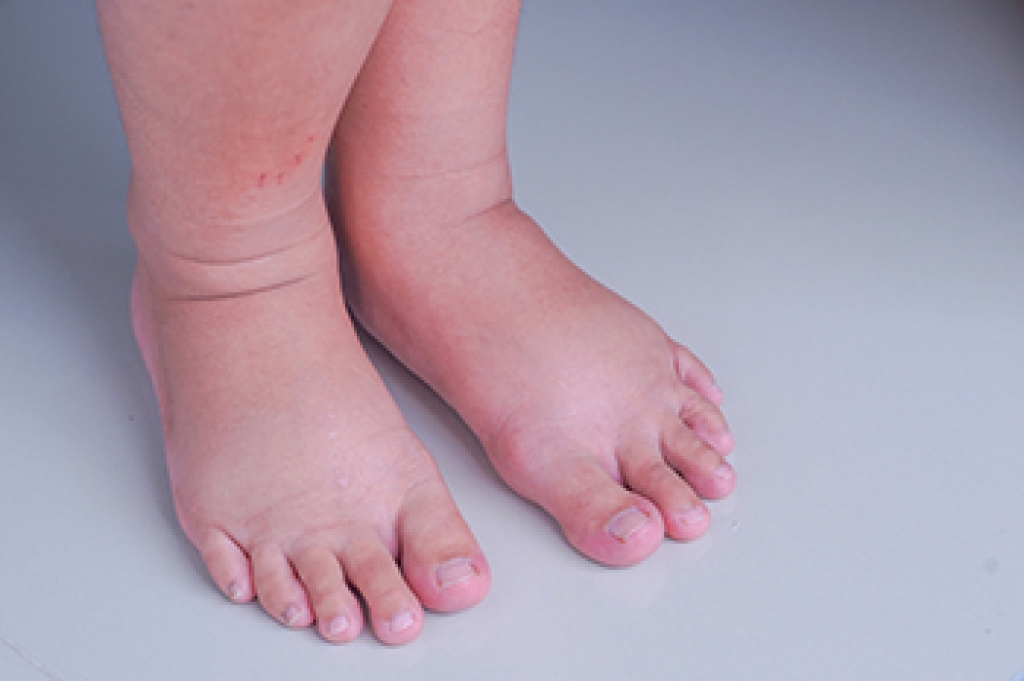
Swollen feet, while often benign, can be discomforting and may point to an underlying issue. Various factors can contribute to this condition. Prolonged standing or sitting, especially in one position, can impede proper blood circulation, leading to fluid accumulation and swelling. Wearing inadequate footwear, whether too tight or unsupportive, can restrict blood flow and aggravate the problem. Medical conditions such as hypertension or kidney disease can cause fluid retention in the lower extremities. Pregnancy also plays a role due to increased pressure on blood vessels and hormonal shifts. Injuries like sprains or fractures can trigger inflammation and swelling as part of the body's healing response. Recognizing the cause of swollen feet is important for effective management. Elevating your feet, staying hydrated, and engaging in a consistent exercise routine can be helpful. However, persistent or severe swelling demands medical attention to address the root cause. If you have swollen feet, it is suggested that you are under the care of a podiatrist who can help you to manage this condition.

Swollen feet can be a sign of an underlying condition. If you have any concerns, contact Wendy L. Grossman, DPM of New Jersey. Our doctor can provide the care you need to keep you pain-free and on your feet.

Swollen feet are a common ailment among pregnant women and people who stand or sit for extended periods. Aging may increase the possibility of swollen feet and patients who are obese often notice when their feet are swelling too. There may be medical reasons why swollen feet occur:

  • Phlebitis - A condition that causes the veins to become inflamed and can also cause leg pain.
  • Liver disease - This may lead to low blood levels of albumin which is a protein. This can cause fluid in the blood to pass into the tissues and several areas of the body can become swollen.
  • Heart failure - When the heart doesn’t pump properly the blood that is normally pumped back to the heart can pool in the veins of the legs causing swollen feet.
  • Kidney disease - One of the main functions of the kidneys is releasing excess fluid in the body. This type of condition can make it difficult for the kidneys to function properly, and as a result the feet may become swollen.
  • Deep-vein thrombosis (DVT)- This is a serious condition where blood clots form in the veins of the legs. They can block the return of blood from the legs to the heart which may cause the feet to swell. It is important to be treated by a podiatrist if this condition is present.

Swollen feet can also be caused by bone and tendon conditions, including fractures, arthritis, and tendinitis. Additionally, there may be skin and toenail conditions and an infection may cause the feet to swell. Patients who take medicine to treat high blood pressure may be prone to getting swollen feet. 

Many patients elevate their feet to help relieve the swelling and this is generally a temporary remedy. When a podiatrist is consulted the reason behind the swelling can be uncovered and subsequently treated.

If you have any questions please contact our office located in Bloomfield, NJ . We offer the newest diagnostic and treatment technologies for all your foot and ankle needs.

Read more about Swelling of the Feet

Types of Arthritis That Affect the Feet

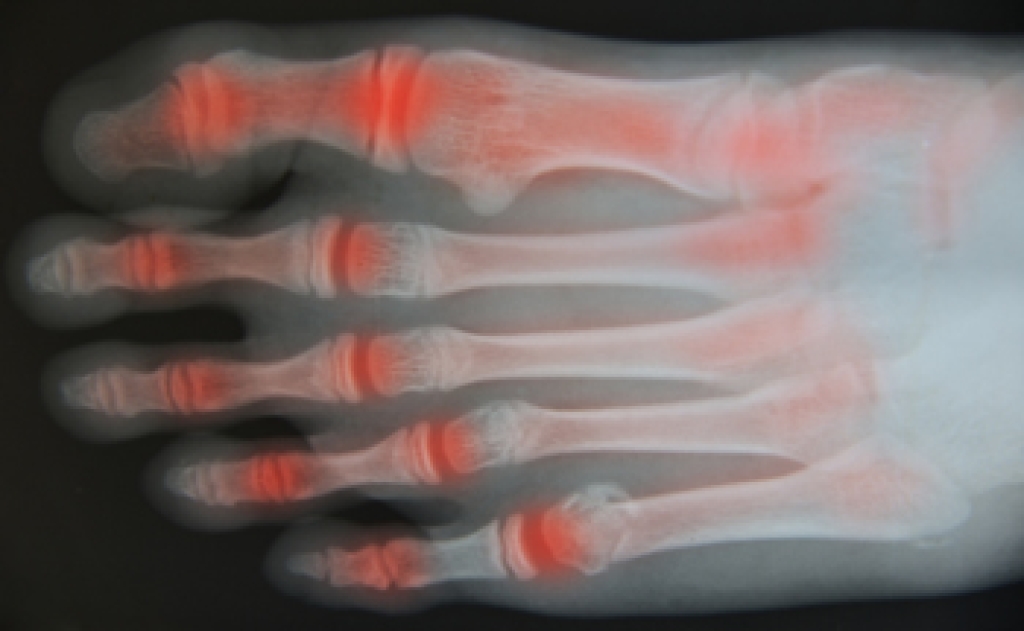
Arthritis, defined as joint inflammation, can lead to stiffness, swelling, and pain in affected joints. Among the 100 or more types of arthritis, studies have shown that three significantly impact the foot and ankle. Osteoarthritis, the most common, stems from joint cartilage wear and tear over time. Rheumatoid arthritis, or RA, is an autoimmune disease, that affects joints throughout the body, with women being twice as susceptible. RA involves the immune system attacking and damaging the cartilage. Post-traumatic arthritis, akin to osteoarthritis, can emerge years after fractures or injuries. Gout, another inflammatory condition, arises from uric acid crystal deposits that are near or within the connective tissue of the joints and is particularly common in the big toe. Psoriatic arthritis can produce symptoms that are similar to RA and is linked to psoriasis, a skin disorder causing scaling and flakiness. Understanding these types of arthritis can empower individuals to manage their foot health amidst arthritis challenges. If you believe you have developed a form of arthritis that is affecting your feet or ankles, it is suggested that you consult a podiatrist.

Arthritis can be a difficult condition to live with. If you are seeking treatment, contact Wendy L. Grossman, DPM from New Jersey. Our doctor can provide the care you need to keep you pain-free and on your feet.

Arthritic Foot Care  

Arthritis is a term that is commonly used to describe joint pain.  The condition itself can occur to anyone of any age, race, or gender, and there are over 100 types of it.  Nevertheless, arthritis is more commonly found in women compared to men, and it is also more prevalent in those who are overweight. The causes of arthritis vary depending on which type of arthritis you have. Osteoarthritis for example, is often caused by injury, while rheumatoid arthritis is caused by a misdirected immune system.

Symptoms

  • Swelling
  • Pain
  • Stiffness
  • Decreased Range of Motion

Arthritic symptoms range in severity, and they may come and go. Some symptoms stay the same for several years but could potentially get worse with time. Severe cases of arthritis can prevent its sufferers from performing daily activities and make walking difficult.

Risk Factors

  • Occupation – Occupations requiring repetitive knee movements have been linked to osteoarthritis
  • Obesity – Excess weight can contribute to osteoarthritis development
  • Infection – Microbial agents can infect the joints and trigger arthritis
  • Joint Injuries – Damage to joints may lead to osteoarthritis
  • Age – Risk increases with age
  • Gender –Most types are more common in women
  • Genetics – Arthritis can be hereditary

If you suspect your arthritis is affecting your feet, it is crucial that you see a podiatrist immediately. Your doctor will be able to address your specific case and help you decide which treatment method is best for you.

If you have any questions please feel free to contact our office located in Bloomfield, NJ . We offer the newest diagnostic tools and technology to treat your foot and ankle needs.

Read more about How to Care for Your Arthritic Foot

Symptoms, Causes, and Care of Foot Neuropathy

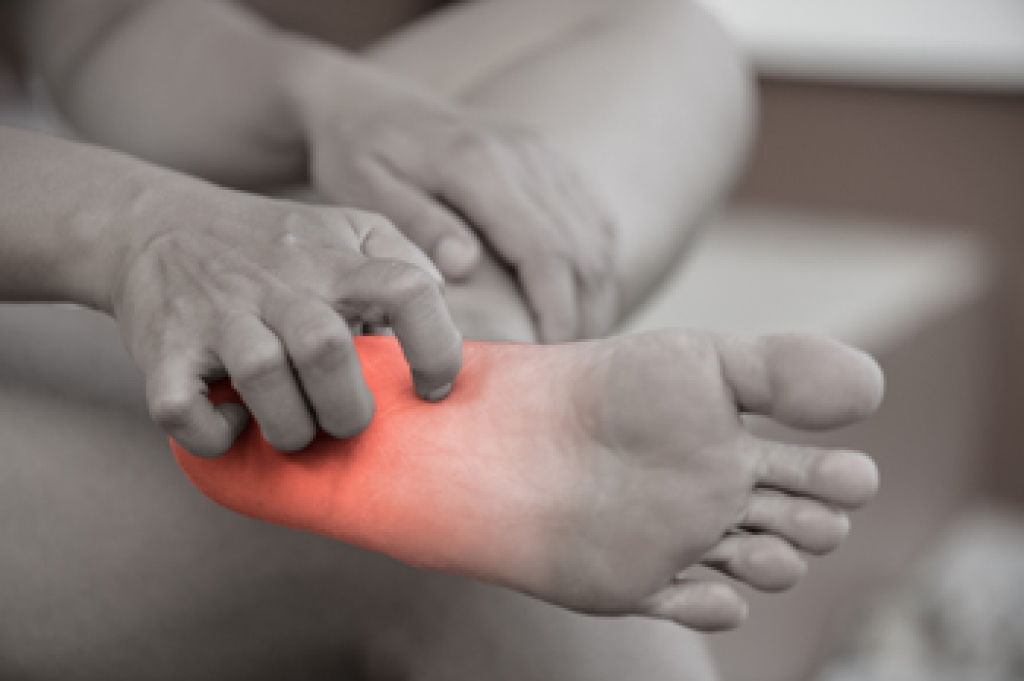
Foot neuropathy involves the nerves in the feet that are not working correctly. This can lead to various issues, such as numbness or tingling sensations in the feet, pain or sensitivity when the feet are touched, and muscle weakness, which can affect stability and balance. Additionally, changes in the appearance of the toenails and skin might occur. Without treatment, neuropathy can even lead to sores or cuts on the feet that do not heal properly and infections may develop. The causes of foot neuropathy are diverse. One of the major factors is diabetes, which can damage the nerves over time. If diabetes is involved, it is especially important to keep blood sugar under control, as this can help reduce symptoms. Foot strengthening exercises can help enhance muscle function and stability. To ensure the safety of the feet, it is essential to inspect them regularly. If you experience unusual sensations or notice changes in your feet, it is suggested that you make an appointment with a podiatrist as soon as possible.

Neuropathy

Neuropathy can be a potentially serious condition, especially if it is left undiagnosed. If you have any concerns that you may be experiencing nerve loss in your feet, consult with Wendy L. Grossman, DPM  from New Jersey. Our doctor will assess your condition and provide you with quality foot and ankle treatment for neuropathy.

What Is Neuropathy?

Neuropathy is a condition that leads to damage to the nerves in the body. Peripheral neuropathy, or neuropathy that affects your peripheral nervous system, usually occurs in the feet. Neuropathy can be triggered by a number of different causes. Such causes include diabetes, infections, cancers, disorders, and toxic substances.

Symptoms of Neuropathy Include:

  • Numbness
  • Sensation loss
  • Prickling and tingling sensations
  • Throbbing, freezing, burning pains
  • Muscle weakness

Those with diabetes are at serious risk due to being unable to feel an ulcer on their feet. Diabetics usually also suffer from poor blood circulation. This can lead to the wound not healing, infections occurring, and the limb may have to be amputated.

Treatment

To treat neuropathy in the foot, podiatrists will first diagnose the cause of the neuropathy. Figuring out the underlying cause of the neuropathy will allow the podiatrist to prescribe the best treatment, whether it be caused by diabetes, toxic substance exposure, infection, etc. If the nerve has not died, then it’s possible that sensation may be able to return to the foot.

Pain medication may be issued for pain. Electrical nerve stimulation can be used to stimulate nerves. If the neuropathy is caused from pressure on the nerves, then surgery may be necessary.

If you have any questions, please feel free to contact our office located in Bloomfield, NJ . We offer the newest diagnostic and treatment technologies for all your foot care needs.
Read more about Neuropathy

Connect With Us