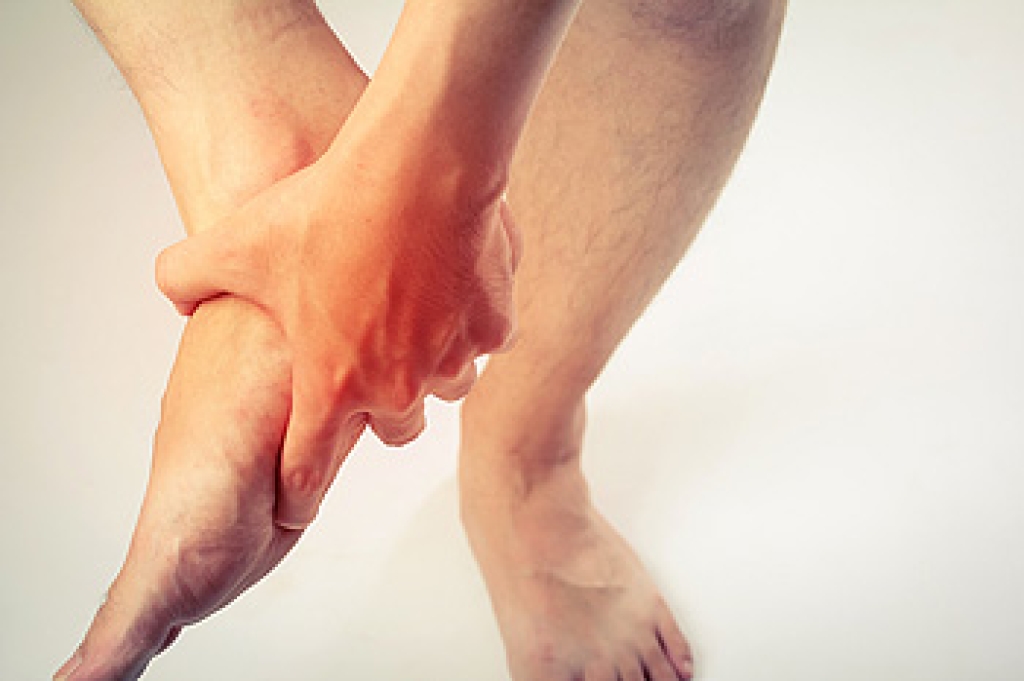
Midfoot Pain Syndrome or Morton’s Neuroma

Morton's neuroma, also known as midfoot pain syndrome, is a condition that causes pain in the ball of the foot, usually between the third and fourth toes. It occurs when the tissue surrounding a nerve thickens, leading to irritation or compression. The exact cause of Morton's neuroma is not always clear, but it can result from factors such as wearing tight or poorly fitting shoes, especially those with a narrow toe box or high heels, which put pressure on the toes. Activities that involve repetitive stress or impact, such as running or jumping, can also contribute to the development of the condition. Symptoms include a sharp, burning pain, tingling, or a sensation of something being stuck inside the shoe. The discomfort often worsens with prolonged walking or standing. If you have pain in this part of your foot, it is suggested that you consult a podiatrist who can guide you toward the treatment that is right for you.

Morton’s neuroma is a very uncomfortable condition to live with. If you think you have Morton’s neuroma, contact Wendy L. Grossman, DPM of New Jersey. Our doctor will attend to all of your foot care needs and answer any of your related questions.  

Morton’s Neuroma

Morton's neuroma is a painful foot condition that commonly affects the areas between the second and third or third and fourth toe, although other areas of the foot are also susceptible. Morton’s neuroma is caused by an inflamed nerve in the foot that is being squeezed and aggravated by surrounding bones.

What Increases the Chances of Having Morton’s Neuroma?

  • Ill-fitting high heels or shoes that add pressure to the toe or foot
  • Jogging, running or any sport that involves constant impact to the foot
  • Flat feet, bunions, and any other foot deformities

Morton’s neuroma is a very treatable condition. Orthotics and shoe inserts can often be used to alleviate the pain on the forefront of the feet. In more severe cases, corticosteroids can also be prescribed. In order to figure out the best treatment for your neuroma, it’s recommended to seek the care of a podiatrist who can diagnose your condition and provide different treatment options.

If you have any questions, please feel free to contact our office located in Bloomfield, NJ . We offer the newest diagnostic and treatment technologies for all your foot care needs.

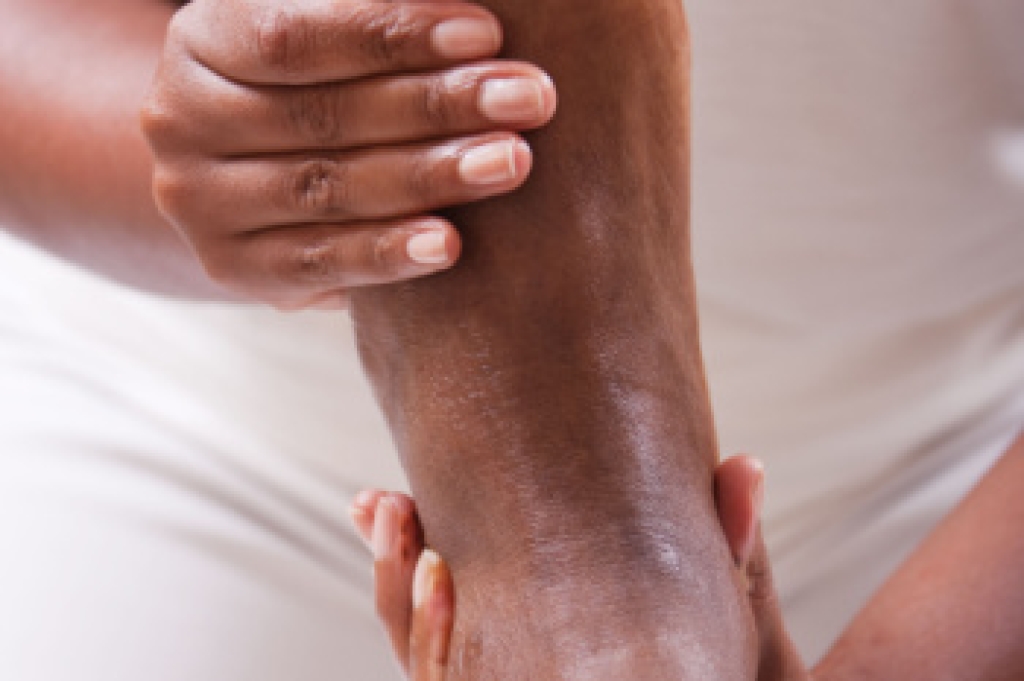
Read more about What is Morton's Neuroma?

Do Your Child's Feet Hurt?

Have your child's feet been examined lately? Healthy feet are happy feet. If your child is complaining of foot pain, it may be a sign of underlying problems.

Sustainable Foot Care

Sustainable foot care focuses on practices that promote the long-term health of your feet while reducing environmental impact. It involves selecting footwear and products made from eco-friendly, durable materials that prioritize both comfort and sustainability. Opting for well-made shoes reduces waste by ensuring longevity while using biodegradable or recyclable insoles and foot care products minimizes environmental harm. Sustainable foot care also includes maintaining foot health to prevent avoidable complications. Regular foot hygiene, proper nail care, and attention to posture and gait all contribute to minimizing wear and tear on the feet. By caring for your feet responsibly and making conscious choices, you support not only your well-being but also the health of the planet. If you would like to learn more about this important topic and address any foot or ankle issues that you are experiencing, it is suggested that you visit a podiatrist.


Everyday foot care is very important to prevent infection and other foot ailments. If you need your feet checked, contact Wendy L. Grossman, DPM from New Jersey. Our doctor can provide the care you need to keep you pain-free and on your feet.

Everyday Foot Care

Often, people take care of their bodies, face and hair more so than they do for their feet. But the feet are a very important aspect of our bodies, and one that we should pay more attention to. Without our feet, we would not be able to perform most daily tasks.

It is best to check your feet regularly to make sure there are no new bruises or cuts that you may not have noticed before. For dry feet, moisturizer can easily be a remedy and can be applied as often as necessary to the affected areas. Wearing shoes that fit well can also help you maintain good foot health, as well as making it easier to walk and do daily activities without the stress or pain of ill-fitting shoes, high heels, or even flip flops. Wearing clean socks with closed shoes is important to ensure that sweat and bacteria do not accumulate within the shoe. Clean socks help to prevent Athlete’s foot, fungi problems, bad odors, and can absorb sweat.

If you have any questions, please feel free to contact our office located in Bloomfield, NJ . We offer the newest diagnostic and treatment technologies for all your foot care needs.

Read more about Every Day Foot Care

My Ankle Hurts

Ankle pain while walking can significantly impact your daily activities, and several conditions may be the culprit. Fractures, often resulting from trauma like a fall, typically cause severe pain, swelling, bruising, and an inability to bear weight on the foot. Treatment may include immobilization or surgery, depending on the severity of the fracture. Tendon sprains or tears, often caused by overuse or sudden movements, lead to pain, swelling, and difficulty moving the ankle. A podiatrist may recommend compression or targeted exercises to help with healing. Ligament sprains or tears occur when the ankle twists or rolls, causing pain, bruising, and swelling. Treatment typically involves rest and elevation. Dislocations, where the bones in the ankle are out of place, can cause severe pain, swelling, and visible deformity. Immediate treatment involves realigning the joint, followed by rehabilitation. If you are experiencing ankle pain, it is suggested that you consult a podiatrist for a proper diagnosis and treatment plan.

Ankle pain can have many different causes and the pain may potentially be serious. If you have ankle pain, consult with Wendy L. Grossman, DPM  from New Jersey. Our doctor will assess your condition and provide you with quality foot and ankle treatment.

Ankle pain is any condition that causes pain in the ankle. Due to the fact that the ankle consists of tendons, muscles, bones, and ligaments, ankle pain can come from a number of different conditions.

Causes

The most common causes of ankle pain include:

  • Types of arthritis (rheumatoid, osteoarthritis, and gout)
  • Ankle sprains
  • Broken ankles
  • Achilles tendinitis
  • Achilles tendon rupture
  • Stress fractures
  • Tarsal tunnel syndrome
  • Plantar fasciitis

Symptoms

Symptoms of ankle injury vary based upon the condition. Pain may include general pain and discomfort, swelling, aching, redness, bruising, burning or stabbing sensations, and/or loss of sensation.

Diagnosis

Due to the wide variety of potential causes of ankle pain, podiatrists will utilize a number of different methods to properly diagnose ankle pain. This can include asking for personal and family medical histories and of any recent injuries. Further diagnosis may include sensation tests, a physical examination, and potentially x-rays or other imaging tests.

Treatment

Just as the range of causes varies widely, so do treatments. Some more common treatments are rest, ice packs, keeping pressure off the foot, orthotics and braces, medication for inflammation and pain, and surgery.

If you have any questions please feel free to contact our office located in Bloomfield, NJ . We offer the newest diagnostic tools and technology to treat your foot and ankle needs.

Read more about Ankle Pain

Conditions That May Cause Swollen Feet

Lipedema and edema are conditions that can affect the feet, causing discomfort and swelling. Lipedema is a chronic disorder that causes abnormal fat accumulation, typically in the legs, hips, and sometimes the feet. It is often mistaken for obesity, but it is a distinct condition that does not respond well to diet or exercise. Edema, on the other hand, refers to fluid retention, which can cause swelling in the feet and ankles. Both conditions share symptoms like swelling, pain, and a feeling of heaviness, and they can be aggravated by standing for long periods of time, or wearing ill-fitting shoes. While the exact causes are not fully understood, genetic factors, hormonal changes, and poor circulation are believed to contribute. Treatment options include compression therapy, elevation, lymphatic drainage massage, and specialized footwear. A podiatrist can offer tailored treatment plans to manage symptoms, improve circulation, and relieve discomfort. If you are experiencing swelling or pain in your feet or ankles, it is suggested that you schedule an appointment with a podiatrist.

Swollen feet can be a sign of an underlying condition. If you have any concerns, contact Wendy L. Grossman, DPM of New Jersey. Our doctor can provide the care you need to keep you pain-free and on your feet.

Swollen feet are a common ailment among pregnant women and people who stand or sit for extended periods. Aging may increase the possibility of swollen feet and patients who are obese often notice when their feet are swelling too. There may be medical reasons why swollen feet occur:

  • Phlebitis - A condition that causes the veins to become inflamed and can also cause leg pain.
  • Liver disease - This may lead to low blood levels of albumin which is a protein. This can cause fluid in the blood to pass into the tissues and several areas of the body can become swollen.
  • Heart failure - When the heart doesn’t pump properly the blood that is normally pumped back to the heart can pool in the veins of the legs causing swollen feet.
  • Kidney disease - One of the main functions of the kidneys is releasing excess fluid in the body. This type of condition can make it difficult for the kidneys to function properly, and as a result the feet may become swollen.
  • Deep-vein thrombosis (DVT)- This is a serious condition where blood clots form in the veins of the legs. They can block the return of blood from the legs to the heart which may cause the feet to swell. It is important to be treated by a podiatrist if this condition is present.

Swollen feet can also be caused by bone and tendon conditions, including fractures, arthritis, and tendinitis. Additionally, there may be skin and toenail conditions and an infection may cause the feet to swell. Patients who take medicine to treat high blood pressure may be prone to getting swollen feet. 

Many patients elevate their feet to help relieve the swelling and this is generally a temporary remedy. When a podiatrist is consulted the reason behind the swelling can be uncovered and subsequently treated.

If you have any questions please contact our office located in Bloomfield, NJ . We offer the newest diagnostic and treatment technologies for all your foot and ankle needs.

Read more about Swelling of the Feet

Foot Care Tips for Rheumatoid Arthritis Patients

For those with rheumatoid arthritis, or RA, proper foot care is essential to manage pain and prevent mobility issues. RA often affects the joints in the feet, causing swelling, stiffness, and pain that can worsen without special attention. Consistent and gentle foot exercises help maintain joint flexibility while wearing supportive footwear minimizes stress on sensitive areas. Look for shoes with cushioned soles, wide toe boxes, and arch support to ease pressure on joints. Daily inspection of the feet is important for spotting redness, sores, or deformities early, as RA can make skin and nails more prone to damage. Applying moisturizer helps prevent dry skin and cracks. If you have RA and have pain or deformities like bunions that worsen, it is suggested that you schedule an appointment with a podiatrist who can recommend custom orthotics or special footwear adjustments, providing relief and improving mobility.

Because RA affects more than just your joints, including the joints in your feet and ankles, it is important to seek early diagnosis from your podiatrist if you feel like the pain in your feet might be caused by RA. For more information, contact Wendy L. Grossman, DPM of New Jersey. Our doctor will assist you with all of your podiatric concerns.

What Is Rheumatoid Arthritis?

Rheumatoid Arthritis (RA) is an autoimmune disorder in which the body’s own immune system attacks the membranes surrounding the joints. Inflammation of the lining and eventually the destruction of the joint’s cartilage and bone occur, causing severe pain and immobility.

Rheumatoid Arthritis of the Feet

Although RA usually attacks multiple bones and joints throughout the entire body, almost 90 percent of cases result in pain in the foot or ankle area.

Symptoms

  • Swelling and pain in the feet
  • Stiffness in the feet
  • Pain on the ball or sole of feet
  • Joint shift and deformation

Diagnosis

Quick diagnosis of RA in the feet is important so that the podiatrist can treat the area effectively. Your doctor will ask you about your medical history, occupation, and lifestyle to determine the origin of the condition. Rheumatoid Factor tests help to determine if someone is affected by the disease.

If you have any questions, please feel free to contact our office located in Bloomfield, NJ . We offer the newest diagnostic and treatment technologies for all your foot care needs.
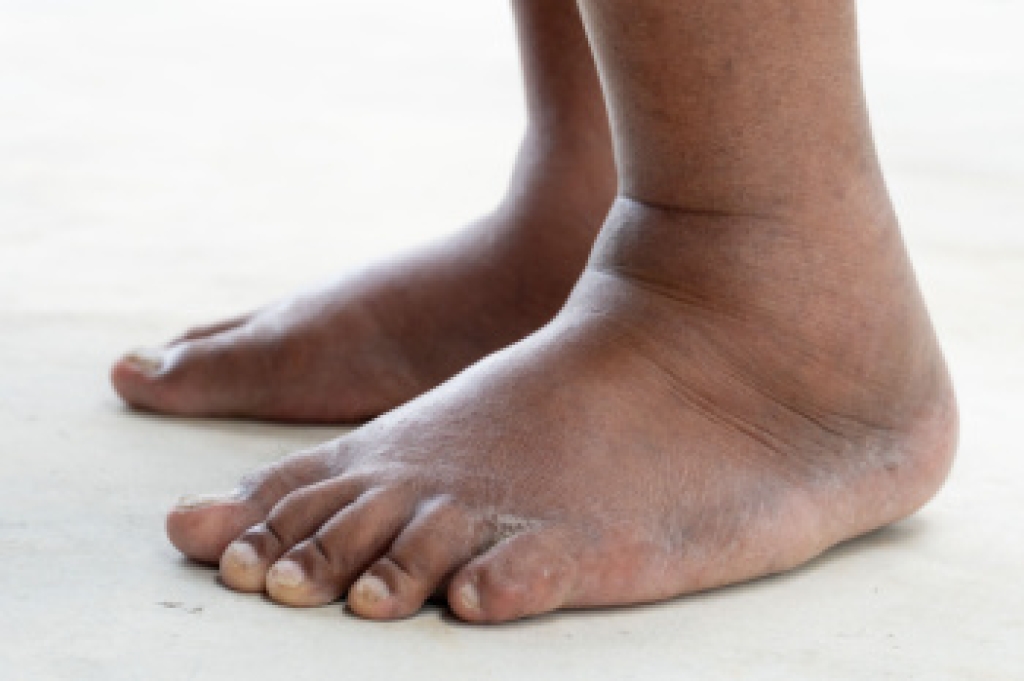
Read more about Rheumatoid Arthritis in the Feet

Jogger’s Foot Treatment

Jogger’s foot, or medial plantar neuropathy, is a condition caused by the entrapment of the medial plantar nerve, often affecting runners and individuals engaged in repetitive foot-striking activities. Characterized by pain, tingling, or numbness along the inside of the arch and the sole, this condition can mimic other foot ailments, making diagnosis challenging. Differentiating jogger’s foot from plantar fasciitis or tibial nerve entrapment is critical, as each requires distinct management strategies. A podiatrist, specializing in foot and ankle care, is equipped to identify medial plantar neuropathy through physical exams, imaging, and nerve conduction studies. Treatment for jogger's foot involves activity modification, orthotics, and targeted exercises. For patients unresponsive to conservative measures, innovative techniques offer potential relief. If you have symptoms of jogger’s foot, it is suggested that you consult a podiatrist for a proper diagnosis and care.

Foot Pain

Foot pain can be extremely painful and debilitating. If you have a foot pain, consult with Wendy L. Grossman, DPM  from New Jersey. Our doctor will assess your condition and provide you with quality foot and ankle treatment.

Causes

Foot pain is a very broad condition that could be caused by one or more ailments. The most common include:

  • Bunions
  • Hammertoes
  • Plantar Fasciitis
  • Bone Spurs
  • Corns
  • Tarsal Tunnel Syndrome
  • Ingrown Toenails
  • Arthritis (such as Gout, Rheumatoid, and Osteoarthritis)
  • Flat Feet
  • Injury (from stress fractures, broken toe, foot, ankle, Achilles tendon ruptures, and sprains)
  • And more

Diagnosis

To figure out the cause of foot pain, podiatrists utilize several different methods. This can range from simple visual inspections and sensation tests to X-rays and MRI scans. Prior medical history, family medical history, and any recent physical traumatic events will all be taken into consideration for a proper diagnosis.

Treatment

Treatment depends upon the cause of the foot pain. Whether it is resting, staying off the foot, or having surgery; podiatrists have a number of treatment options available for foot pain.

If you have any questions, please feel free to contact our office located in Bloomfield, NJ . We offer the newest diagnostic and treatment technologies for all your foot care needs.

Read more about Foot Pain

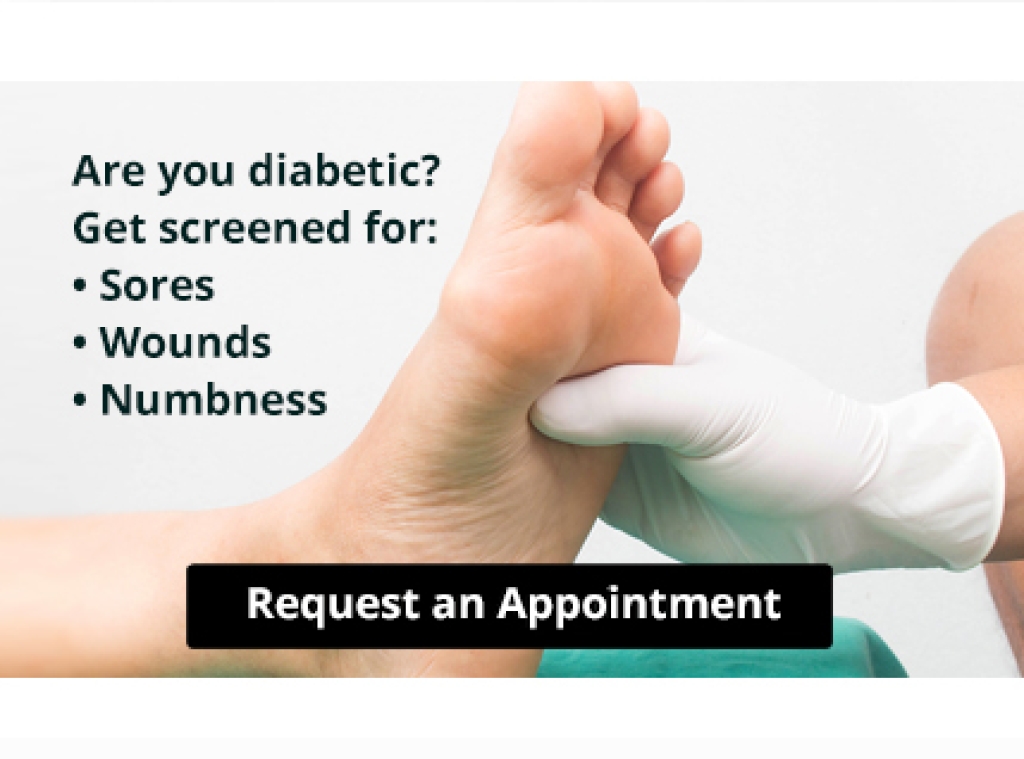
Wounds That Don't Heal Need to Be Checked

Your feet are covered most of the day. If you're diabetic, periodic screening is important for good health. Numbness is often a sign of diabetic foot and can mask a sore or wound.

Caring for Children’s Feet

Children’s feet grow rapidly, with the last foot bone developing about the age of three.This early growth requires gentle care to support healthy development. Parents should select flexible, well-fitted shoes that allow natural movement and avoid restrictive footwear, which can hinder proper bone and muscle development. Barefoot play on safe surfaces is also beneficial, as it helps strengthen the foot’s muscles and improve balance. Regularly checking for signs of discomfort or abnormal wear on shoes can highlight early issues. Parents should monitor for symptoms like persistent pain, limping, or visible foot deformities, such as inward-turning feet or flat feet, which may be normal at certain stages but worth watching. If these symptoms persist or worsen, it is suggested that you visit a podiatrist who can assess and guide you on corrective options.

Making sure that your children maintain good foot health is very important as they grow. If you have any questions, contact Wendy L. Grossman, DPM of New Jersey. Our doctor can provide the care you need to keep you pain-free and on your feet.

Keeping Children's Feet Healthy

Having healthy feet during childhood can help prevent medical problems later in life, namely in the back and legs. As children grow, their feet require different types of care. Here are some things to consider...

Although babies do not walk yet, it is still very important to take care of their feet.

Avoid putting tight shoes or socks on his or her feet.

Allow the baby to stretch and kick his or her feet to feel comfortable.

As a toddler, kids are now on the move and begin to develop differently. At this age, toddlers are getting a feel for walking, so don’t be alarmed if your toddler is unsteady or ‘walks funny’. 

As your child gets older, it is important to teach them how to take care of their feet.

Show them proper hygiene to prevent infections such as fungus.

Be watchful for any pain or injury.

Have all injuries checked by a doctor as soon as possible.

Comfortable, protective shoes should always be worn, especially at play.

If you have any questions, please feel free to contact our office located in Bloomfield, NJ . We offer the newest diagnostic and treatment technologies for all your foot care needs.
Read more about What to Do to Keep Your Child’s Feet Healthy

More About Plantar Fasciitis

Plantar fasciitis causes sharp heel pain, especially noticeable in the morning or after long periods of sitting. It occurs when the plantar fascia, a thick band of tissue connecting the heel to the toes, becomes inflamed due to excessive strain. Common causes include overuse, flat feet, high arches, and wearing inadequate footwear. Symptoms typically include a stabbing pain at the bottom of the heel, which may improve with movement but worsen with prolonged standing or walking. Treatment options for plantar fasciitis include rest. Custom orthotics and supportive shoes can also provide relief by improving foot mechanics. A podiatrist can offer specialized assessments and tailored treatment plans to address your specific needs. They may suggest targeted exercises or corticosteroid injections for persistent pain. If you are struggling with heel pain, consider making an appointment with a podiatrist to get back on your feet comfortably.

Plantar fasciitis is a common foot condition that is often caused by a strain injury. If you are experiencing heel pain or symptoms of plantar fasciitis, contact Wendy L. Grossman, DPM from New Jersey. Our doctor can provide the care you need to keep you pain-free and on your feet.

What Is Plantar Fasciitis?

Plantar fasciitis is one of the most common causes of heel pain. The plantar fascia is a ligament that connects your heel to the front of your foot. When this ligament becomes inflamed, plantar fasciitis is the result. If you have plantar fasciitis you will have a stabbing pain that usually occurs with your first steps in the morning. As the day progresses and you walk around more, this pain will start to disappear, but it will return after long periods of standing or sitting.

What Causes Plantar Fasciitis?

  • Excessive running
  • Having high arches in your feet
  • Other foot issues such as flat feet
  • Pregnancy (due to the sudden weight gain)
  • Being on your feet very often

There are some risk factors that may make you more likely to develop plantar fasciitis compared to others. The condition most commonly affects adults between the ages of 40 and 60. It also tends to affect people who are obese because the extra pounds result in extra stress being placed on the plantar fascia.

Prevention

  • Take good care of your feet – Wear shoes that have good arch support and heel cushioning.
  • Maintain a healthy weight
  • If you are a runner, alternate running with other sports that won’t cause heel pain

There are a variety of treatment options available for plantar fasciitis along with the pain that accompanies it. Additionally, physical therapy is a very important component in the treatment process. It is important that you meet with your podiatrist to determine which treatment option is best for you.

If you have any questions, please feel free to contact our office located in Bloomfield, NJ . We offer the newest diagnostic and treatment technologies for all your foot care needs.
 

Read more about Plantar Fasciitis

Connect With Us