Who Is Prone to Getting Gout?

Gout is a form of arthritis characterized by painful, inflamed joints. It typically affects the joints in the big toe but can occur in other joints as well. Gout is primarily caused by the buildup of uric acid crystals in the affected joints. While gout was historically associated with rich diets, today, gout can affect anyone, regardless of social status. However, certain factors can increase one's vulnerability. Men are more susceptible than women, with an increased risk after the age of 30. A family history of gout can also predispose individuals. Lifestyle choices, such as consuming purine-rich foods, excessive alcohol consumption, and obesity, can contribute to higher uric acid levels, thereby increasing the risk of developing gout. Understanding the definition of gout and its risk factors is essential for early diagnosis and effective management. If you suspect you may be prone to gout or are experiencing symptoms, it is suggested that you contact a podiatrist who can properly diagnose this condition, and offer appropriate treatment and relief choices.

Gout is a painful condition that can be treated. If you are seeking treatment, contact Wendy L. Grossman, DPM from New Jersey. Our doctor will treat your foot and ankle needs.

What Is Gout?

Gout is a form of arthritis that is characterized by sudden, severe attacks of pain, redness, and tenderness in the joints. The condition usually affects the joint at the base of the big toe. A gout attack can occur at any random time, such as the middle of the night while you are asleep.

Symptoms

  • Intense Joint Pain - Usually around the large joint of your big toe, and it most severe within the first four to twelve hours
  • Lingering Discomfort - Joint discomfort may last from a few days to a few weeks
  • Inflammation and Redness -Affected joints may become swollen, tender, warm and red
  • Limited Range of Motion - May experience a decrease in joint mobility

Risk Factors

  • Genetics - If family members have gout, you’re more likely to have it
  • Medications - Diuretic medications can raise uric acid levels
  • Gender/Age - Gout is more common in men until the age of 60. It is believed that estrogen protects women until that point
  • Diet - Eating red meat and shellfish increases your risk
  • Alcohol - Having more than two alcoholic drinks per day increases your risk
  • Obesity - Obese people are at a higher risk for gout

Prior to visiting your podiatrist to receive treatment for gout, there are a few things you should do beforehand. If you have gout you should write down your symptoms--including when they started and how often you experience them, important medical information you may have, and any questions you may have. Writing down these three things will help your podiatrist in assessing your specific situation so that he or she may provide the best route of treatment for you.

If you have any questions, please feel free to contact our office located in Bloomfield, NJ . We offer the newest diagnostic and treatment technologies for all your foot care needs.

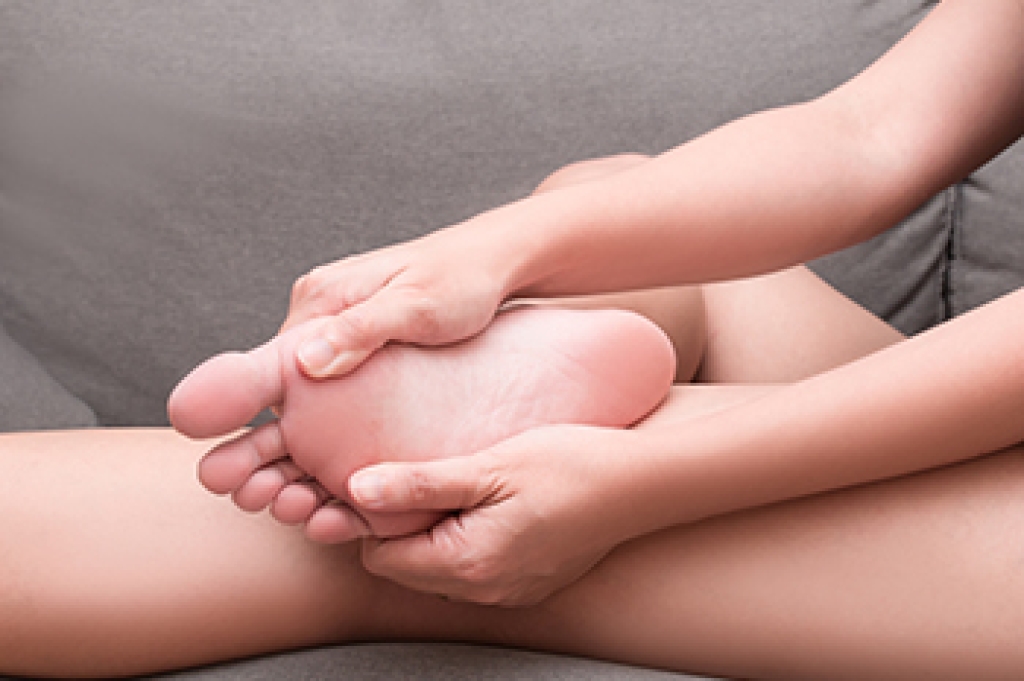
Read more about Everything You Need to Know About Gout

The Art of Foot Stretching

Stretching is often associated with muscles, but it is equally vital for your feet. Regular foot stretching offers numerous advantages you may not be aware of. First and foremost, it enhances flexibility and range of motion in the feet, which is vital for preventing injuries and reducing discomfort. Foot stretches can also help alleviate common issues like plantar fasciitis and Achilles tendon tightness. Moreover, they improve blood circulation to the feet, promoting overall foot health. Stretching your feet can provide relief from everyday aches and pains, especially if you spend long hours standing or sitting. It can help ease muscle tension, reduce cramps, and improve your balance. Incorporating these simple stretches into your daily routine can go a long way in maintaining strong, pain-free feet and contributing to your overall well-being. If you would like more information about how to perform effective foot stretches, it is suggested that you consult a podiatrist who can provide you with the knowledge you are seeking.

Stretching the feet is a great way to prevent injuries. If you have any concerns with your feet consult with Wendy L. Grossman, DPM  from New Jersey. Our doctor will assess your condition and provide you with quality foot and ankle treatment.

Stretching the Feet

Stretching the muscles in the foot is an important part in any physical activity. Feet that are tight can lead to less flexibility and make you more prone to injury. One of the most common forms of foot pain, plantar fasciitis, can be stretched out to help ease the pain. Stretching can not only ease pain from plantar fasciitis but also prevent it as well. However, it is important to see a podiatrist first if stretching is right for you. Podiatrists can also recommend other ways to stretch your feet. Once you know whether stretching is right for you, here are some excellent stretches you can do.

  • Using a foam roller or any cylindrical object (a water bottle or soda can will do), roll the object under your foot back and forth. You should also exert pressure on the object. Be sure to do this to both feet for a minute. Do this exercise three times each.
  • Similar to the previous one, take a ball, such as a tennis ball, and roll it under your foot while seated and exert pressure on it.
  • Grab a resistance band or towel and take a seat. If you are using a towel, fold it length wise. Next put either one between the ball of your foot and heel and pull with both hands on each side towards you. Hold this for 15 seconds and then switch feet. Do this three times for each foot.
  • Finally hold your big toe while crossing one leg over the other. Pull the toe towards you and hold for 15 seconds. Once again do this three times per foot.

It is best to go easy when first stretching your foot and work your way up. If your foot starts hurting, stop exercising and ice and rest the foot. It is advised to then see a podiatrist for help.

If you have any questions please contact our office located in Bloomfield, NJ . We offer the newest diagnostic and treatment technologies for all your foot and ankle needs.

Read more about Stretching Your Feet

Managing Sesamoiditis

Sesamoiditis is a chronic condition caused by frequent pressure and resulting in irritation and painful inflammation of the sesamoid bones and surrounding tissues. Sesamoid bones are small bones in the feet that are embedded within tendons and play a vital role in foot biomechanics. Sesamoid bones are under the metatarsophalangeal, or MTP, joint of the big toe. These tiny bones act as a fulcrum of sorts, providing stability to the foot and offering protection and shock absorption for the nearby joints and tendons. Sesamoiditis can be caused by various factors, including damage to the sesamoid bones themselves, joint deformities, such as bunions, as well as conditions like gout, osteoarthritis, and osteoporosis. Certain lifestyle factors, consisting of wearing frequently high heels or engaging in high impact sports, can aggravate the sesamoid bones and result in pain. Differences in arches, body weight, and the size of sesamoids can add to the risk of inflammation. Symptoms typically start mildly and can worsen with continued strain, with pain often concentrated in the ball of the foot. If you believe you are suffering from sesamoiditis, it is suggested that you make an appointment with a podiatrist for an evaluation and options  for treating this condition effectively.

Sesamoiditis is an unpleasant foot condition characterized by pain in the balls of the feet. If you think you’re struggling with sesamoiditis, contact Wendy L. Grossman, DPM of New Jersey. Our doctor will treat your condition thoroughly and effectively.

Sesamoiditis

Sesamoiditis is a condition of the foot that affects the ball of the foot. It is more common in younger people than it is in older people. It can also occur with people who have begun a new exercise program, since their bodies are adjusting to the new physical regimen. Pain may also be caused by the inflammation of tendons surrounding the bones. It is important to seek treatment in its early stages because if you ignore the pain, this condition can lead to more serious problems such as severe irritation and bone fractures.

Causes of Sesamoiditis

  • Sudden increase in activity
  • Increase in physically strenuous movement without a proper warm up or build up
  • Foot structure: those who have smaller, bonier feet or those with a high arch may be more susceptible

Treatment for sesamoiditis is non-invasive and simple. Doctors may recommend a strict rest period where the patient forgoes most physical activity. This will help give the patient time to heal their feet through limited activity. For serious cases, it is best to speak with your doctor to determine a treatment option that will help your specific needs.

If you have any questions, please feel free to contact our office located in Bloomfield, NJ . We offer the newest diagnostic and treatment technologies for all your foot care needs.
Read more about Sesamoiditis

Different Types of Running Shoes

There are five main categories of running shoes that vary and fit with different running endeavors. First, there are spikes, designed for sprinting on tracks or cross-country courses. These lightweight shoes are known for their stiff plastic or metal spikes and minimal cushioning, offering superb traction for track workouts and actual racing events. Racing flats are tailored for road races and are available in a range of cushioning options, catering to different race distances. They are lighter and tend to be stiffer than training shoes, making them ideal for racing, although not for everyday training due to their minimal build. Lightweight trainers can add speed to a running routine and are good for sprints, tempo runs, and intervals because they are lightweight and flexible. Daily trainers are the workhorses of a running shoe collection. These shoes are generally moderately cushioned and built with durability in mind. They are the most comfortable choice for most types of runs, including easy runs, long runs, and recovery runs. Lastly, trail shoes are designed for off-road running, where rocks, roots, mud, and uneven surfaces can be encountered. These shoes vary widely, from lightly cushioned models resembling racing flats to bulkier options that resemble hiking boots. Their common features include enhanced tread, rock plates to protect against sharp objects, and reinforced uppers to withstand rugged terrains. If you are a runner and plan to run on different surfaces and under varied conditions, it is suggested that you make an appointment with a podiatrist. This type of doctor is able to discuss the types of running shoes to include in your assortment that can help to ensure your best comfort and performance.

If you are a runner, wearing the right running shoe is essential. For more information, contact Wendy L. Grossman, DPM from New Jersey. Our doctor can provide the care you need to keep you pain-free and on your feet.

Choosing the Right Running Shoe for Your Foot Type

To increase performance and avoid the risk of injury, it is important to choose the right running shoe based on your foot type. The general design of running shoes revolves around pronation, which is how the ankle rolls from outside to inside when the foot strikes the ground.

  • Neutral runners are able to choose from a wide variety of shoes, including minimalist shoes or even going barefoot.
  • Runners who overpronate, or experience an over-abundance of ankle rolling, should choose shoes that provide extra motion control and stability.
  • Runners who underpronate, or supinate, have feet that have high arches and lack flexibility, preventing shock absorption. They require shoes with more flexibility and cushion.

If you have any questions, please feel free to contact our office located in Bloomfield, NJ . We offer the newest diagnostic and treatment technologies for all your foot care needs.
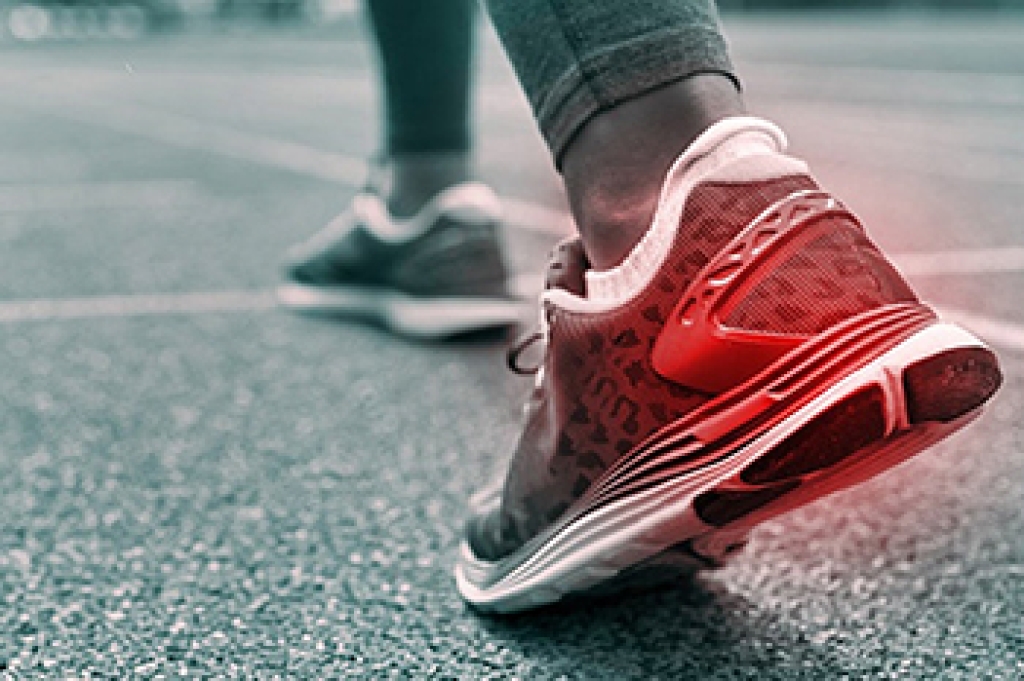
Read more about Choosing the Right Running Shoe

Connect With Us