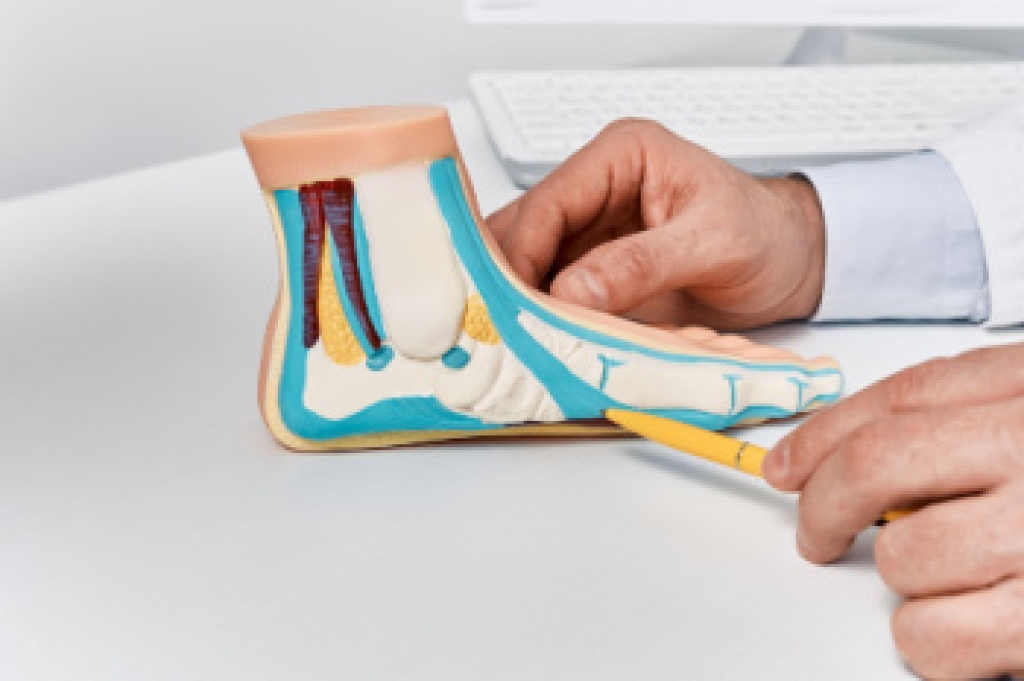
How to Manage the Onset of Flat Feet

Progressive collapsing foot deformity, also known as adult-acquired flatfoot, occurs when the arch gradually collapses, leading to changes in your foot’s shape and function. Adult-acquired flatfoot often results from dysfunction in the posterior tibial tendon, which plays a key role in supporting the arch and turning the foot inward. As this tendon weakens, the foot may flatten, and the alignment of the ankle can shift, sometimes causing pain or difficulty walking. Aging, previous injuries, obesity, diabetes, or arthritis may contribute to the development of adult-acquired flatfoot. It may result in pain along the inside of the ankle, swelling, or an outward shift of the foot’s position. A podiatrist can assess the severity of the condition using certain imaging tests to determine the best course of treatment. Supportive devices, orthotic inserts, and in more advanced cases, surgery, may help restore function and relieve pain. If you notice that your feet have become flatter, it is suggested that you schedule an appointment with a podiatrist for an exam, diagnosis, and treatment options.

Flatfoot is a condition many people suffer from. If you have flat feet, contact Wendy L. Grossman, DPM from New Jersey. Our doctor will treat your foot and ankle needs.

What Are Flat Feet?

Flatfoot is a condition in which the arch of the foot is depressed and the sole of the foot is almost completely in contact with the ground. About 20-30% of the population generally has flat feet because their arches never formed during growth.

Conditions & Problems:

Having flat feet makes it difficult to run or walk because of the stress placed on the ankles.

Alignment – The general alignment of your legs can be disrupted, because the ankles move inward which can cause major discomfort.

Knees – If you have complications with your knees, flat feet can be a contributor to arthritis in that area.  

Symptoms

  • Pain around the heel or arch area
  • Trouble standing on the tip toe
  • Swelling around the inside of the ankle
  • Flat look to one or both feet
  • Having your shoes feel uneven when worn

Treatment

If you are experiencing pain and stress on the foot you may weaken the posterior tibial tendon, which runs around the inside of the ankle. 

If you have any questions, please feel free to contact our office located in Bloomfield, NJ . We offer the newest diagnostic and treatment technologies for all your foot care needs.

Read more about Flatfoot

Ankle Fracture? Don’t Wait for Treatment

If you're suffering from an ankle fracture, professional attention shouldn't wait. Fractures may worsen over time and can make completing everyday activities incredibly difficult. See your specialist for treatment and guidance through the healing process. 

Causes and Prevention of Plantar Warts

Plantar warts are small, rough growths that appear on the soles of the feet, often causing discomfort or pain when walking. They are caused by a viral infection, specifically the human papillomavirus, or HPV, which enters the skin through small cuts or abrasions. The virus thrives in warm, moist environments, making places like public showers, swimming pools areas, and gym locker rooms common areas for infection. To prevent plantar warts, it is essential to avoid walking barefoot in public spaces and to keep feet clean and dry. Wearing moisture-wicking socks and well-fitting shoes can also help minimize the risk. If you have developed a plantar wart, it is suggested that you promptly schedule an appointment with a podiatrist who can provide safe and sterile medical care for relief and removal. 

Plantar warts can be very uncomfortable. If you need your feet checked, contact Wendy L. Grossman, DPM from New Jersey. Our doctor will assist you with all of your foot and ankle needs.

About Plantar Warts

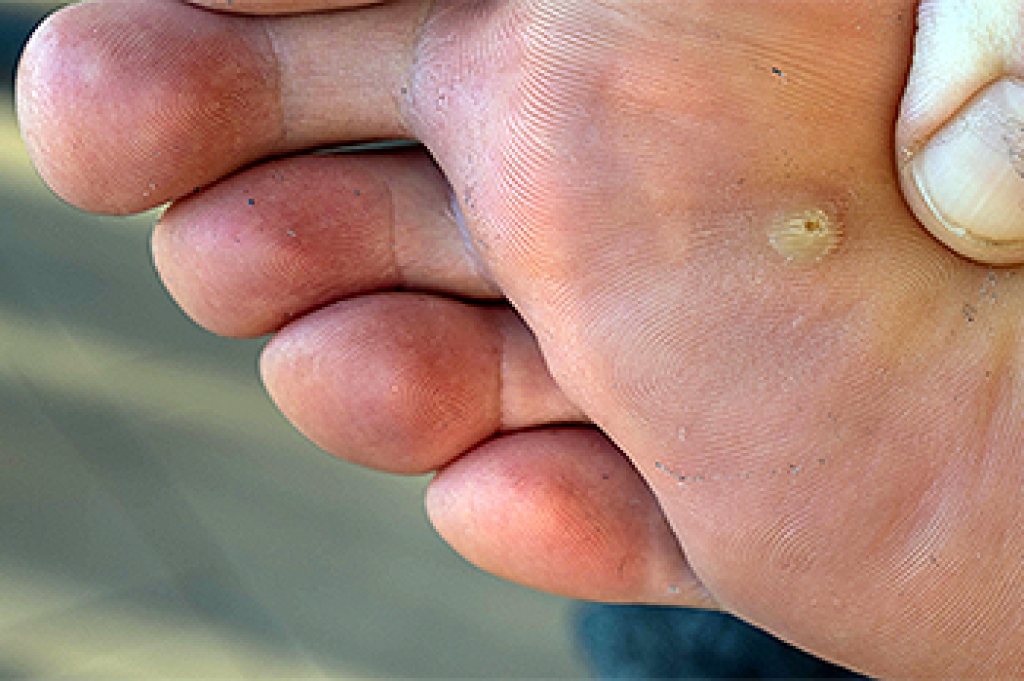
Plantar warts are the result of HPV, or human papillomavirus, getting into open wounds on the feet. They are mostly found on the heels or balls of the feet.

While plantar warts are generally harmless, those experiencing excessive pain or those suffering from diabetes or a compromised immune system require immediate medical care. Plantar warts are easily diagnosed, usually through scraping off a bit of rough skin or by getting a biopsy.

Symptoms

  • Lesions on the bottom of your feet, usually rough and grainy
  • Hard or thick callused spots
  • Wart seeds, which are small clotted blood vessels that look like little black spots
  • Pain, discomfort, or tenderness of your feet when walking or standing

Treatment

  • Freezing
  • Electric tool removal
  • Laser Treatment
  • Topical Creams (prescription only)
  • Over-the-counter medications

To help prevent developing plantar warts, avoid walking barefoot over abrasive surfaces that can cause cuts or wounds for HPV to get into. Avoiding direct contact with other warts, as well as not picking or rubbing existing warts, can help prevent the further spread of plantar warts. However, if you think you have developed plantar warts, speak to your podiatrist. He or she can diagnose the warts on your feet and recommend the appropriate treatment options.

If you have any questions, please feel free to contact our office located in Bloomfield, NJ . We offer the newest diagnostic and treatment technologies for all your foot care needs.
Read more about All About Plantar Warts

Causes and Prevention of Cuts on Children’s Feet

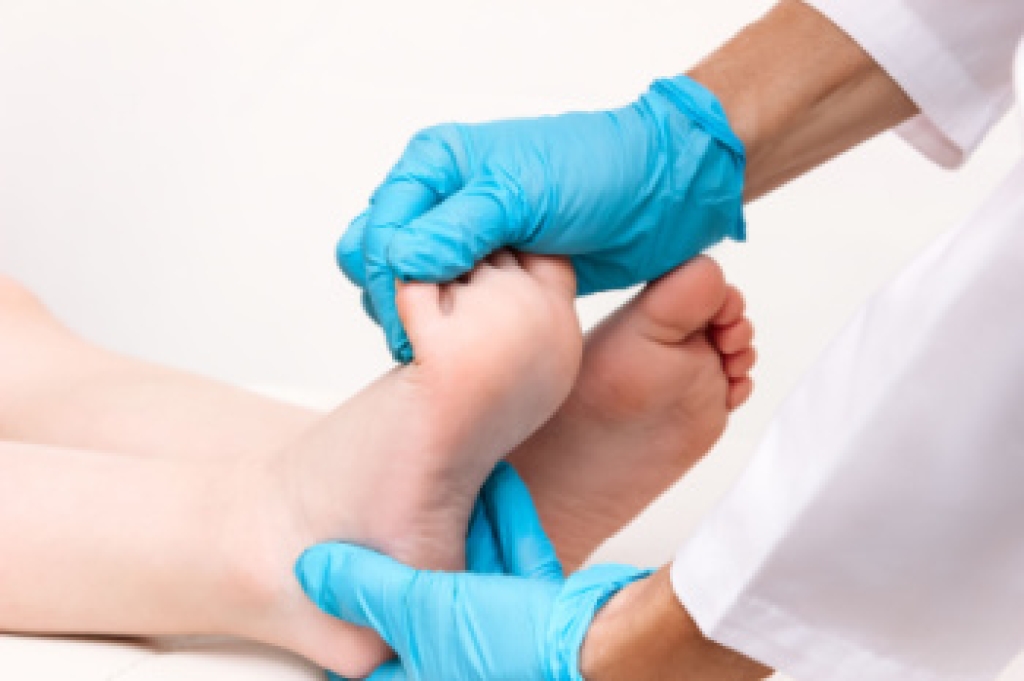
Children are constantly on the move, making their feet vulnerable to cuts from sharp objects, rough surfaces, or accidental scrapes. These injuries are common in barefoot activities like playing on the beach, running outside, or walking around pools. Cuts can happen to any child, but are more frequent in those who are active or prone to minor accidents. Small cuts are usually cleaned, covered with an antibiotic ointment, and bandaged to prevent dirt and bacteria from entering. Deeper wounds may require butterfly bandages or medical closure strips to keep the skin together while healing. To prevent infection, parents should monitor healing, change dressings regularly, and watch for signs of redness, swelling, or pus. Keeping feet clean and covered in risky environments can reduce injuries. If a cut is deep, slow to heal, or shows signs of infection, it is strongly suggested that you take your child in to see a podiatrist for proper care.

Wound care is an important part in dealing with diabetes. If you have diabetes and a foot wound or would like more information about wound care for diabetics, consult with Wendy L. Grossman, DPM from New Jersey. Our doctor will assess your condition and provide you with quality foot and ankle treatment.

What Is Wound Care?

Wound care is the practice of taking proper care of a wound. This can range from the smallest to the largest of wounds. While everyone can benefit from proper wound care, it is much more important for diabetics. Diabetics often suffer from poor blood circulation which causes wounds to heal much slower than they would in a non-diabetic. 

What Is the Importance of Wound Care?

While it may not seem apparent with small ulcers on the foot, for diabetics, any size ulcer can become infected. Diabetics often also suffer from neuropathy, or nerve loss. This means they might not even feel when they have an ulcer on their foot. If the wound becomes severely infected, amputation may be necessary. Therefore, it is of the upmost importance to properly care for any and all foot wounds.

How to Care for Wounds

The best way to care for foot wounds is to prevent them. For diabetics, this means daily inspections of the feet for any signs of abnormalities or ulcers. It is also recommended to see a podiatrist several times a year for a foot inspection. If you do have an ulcer, run the wound under water to clear dirt from the wound; then apply antibiotic ointment to the wound and cover with a bandage. Bandages should be changed daily and keeping pressure off the wound is smart. It is advised to see a podiatrist, who can keep an eye on it.

If you have any questions please contact our office located in Bloomfield, NJ . We offer the newest diagnostic and treatment technologies for all your foot and ankle needs.

Read more about Wound Care

Causes of Pain in the Arch of the Feet

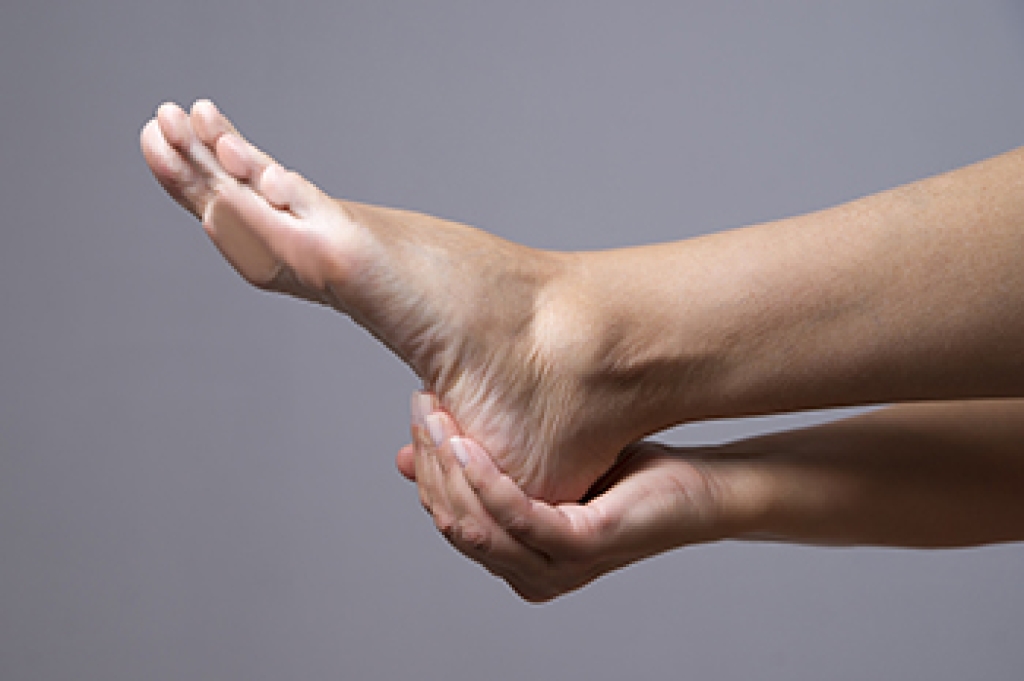
Pain in the arch of the foot can greatly impact your daily life, making it challenging to bear weight or walk. This discomfort may result from a variety of conditions, including plantar fasciitis, flat feet, or overpronation. Plantar fasciitis, a common cause, involves inflammation of the plantar fascia, a thick band of tissue that runs along the bottom of the foot. Flat feet, or fallen arches, occur when the arch collapses, leading to pain and strain due to improper distribution of weight. Overpronation, where the foot rolls inward excessively during walking, can also strain the ligaments and muscles, contributing to arch pain. Additional factors such as obesity, ill-fitting footwear, and repetitive high-impact activities can worsen the issue. A podiatrist, a specialist in diagnosing and treating foot conditions, can evaluate your feet to determine the underlying cause of the pain. Treatment may include custom orthotics or specific exercises to relieve pain and improve foot function. If you are experiencing arch pain, it is suggested that you schedule an appointment with a podiatrist for an evaluation and to discuss potential treatment options.

Foot Pain

Foot pain can be extremely painful and debilitating. If you have a foot pain, consult with Wendy L. Grossman, DPM  from New Jersey. Our doctor will assess your condition and provide you with quality foot and ankle treatment.

Causes

Foot pain is a very broad condition that could be caused by one or more ailments. The most common include:

  • Bunions
  • Hammertoes
  • Plantar Fasciitis
  • Bone Spurs
  • Corns
  • Tarsal Tunnel Syndrome
  • Ingrown Toenails
  • Arthritis (such as Gout, Rheumatoid, and Osteoarthritis)
  • Flat Feet
  • Injury (from stress fractures, broken toe, foot, ankle, Achilles tendon ruptures, and sprains)
  • And more

Diagnosis

To figure out the cause of foot pain, podiatrists utilize several different methods. This can range from simple visual inspections and sensation tests to X-rays and MRI scans. Prior medical history, family medical history, and any recent physical traumatic events will all be taken into consideration for a proper diagnosis.

Treatment

Treatment depends upon the cause of the foot pain. Whether it is resting, staying off the foot, or having surgery; podiatrists have a number of treatment options available for foot pain.

If you have any questions, please feel free to contact our office located in Bloomfield, NJ . We offer the newest diagnostic and treatment technologies for all your foot care needs.
Read more about Foot Pain

Connect With Us