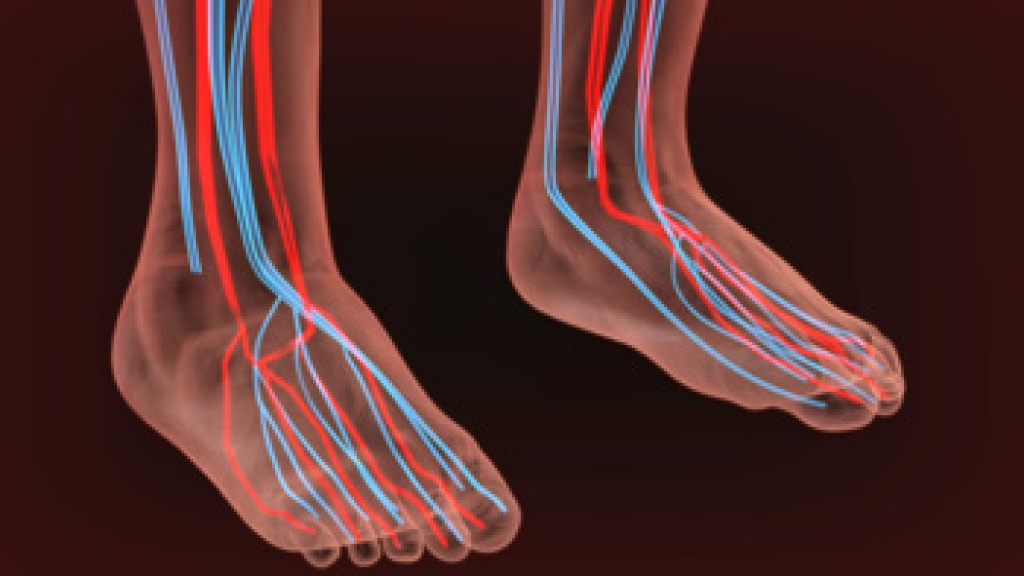
Various Reasons Why Pain in the Big Toe Can Occur

There are reasons that pain in the big toe can occur. It may happen suddenly from an injury or it can gradually occur. Pain in this toe may be a symptom indicating an existing medical condition and a podiatrist can determine what that condition is. Gout is a condition that develops suddenly and affects the joints in the big toe. It can produce excruciating pain and discomfort and may be controlled by the types of foods that are eaten. Additionally, a bunion is another condition that gradually occurs. Bunions are characterized by a bony protrusion that forms on the side of the big toe. Severe bunions may cause pain and larger shoes may need to be purchased to accommodate the bunion. Some people develop ingrown toenails which generally affects the big toe. When left untreated, an infection may occur and medical attention is often sought. A sudden injury can produce a broken toe and relief and stability may be found when the affected toe is taped to the toe next to it. If you have pain in your big toe, it is strongly advised that you consult with a podiatrist who can determine what the cause is followed by implementing effective treatment strategies.

Toe pain can disrupt your daily activities. If you have any concerns, contact Wendy L. Grossman, DPM of New Jersey. Our doctor can provide the care you need to keep you pain-free and on your feet.

What Causes Toe Pain?

Most severe toe pain is caused due to a sports injury, trauma from dropping something heavy on the toe, or bumping into something rigid. Other problems can develop over time for various reasons.

Toe pain can be caused by one or more ailments. The most common include:

  • Trauma
  • Sports injury
  • Wearing shoes that are too tight
  • Arthritis
  • Gout
  • Corns and calluses
  • Hammertoe
  • Bunions
  • Blisters
  • Ingrown toenails
  • Sprains
  • Fractures (broken bones)
  • Dislocations

When to See a Podiatrist

  • Severe pain
  • Persistent pain that lasts more than a week
  • Signs of infection
  • Continued swelling
  • Pain that prevents walking

Diagnosis

In many cases the cause of toe pain is obvious, but in others, a podiatrist may want to use more advanced methods to determine the problem. These can range from simple visual inspections and sensation tests to X-rays and MRI scans. Prior medical history, family medical history, and any recent physical traumatic events will all be taken into consideration for a proper diagnosis.

Treatment

Treatments for toe pain and injuries vary and may include shoe inserts, padding, taping, medicines, injections, and in some cases, surgery. If you believe that you have broken a toe, please see a podiatrist as soon as possible.

If you have any questions please contact our office located in Bloomfield, NJ . We offer the newest diagnostic and treatment technologies for all your foot and ankle needs.
Read more about Toe Pain

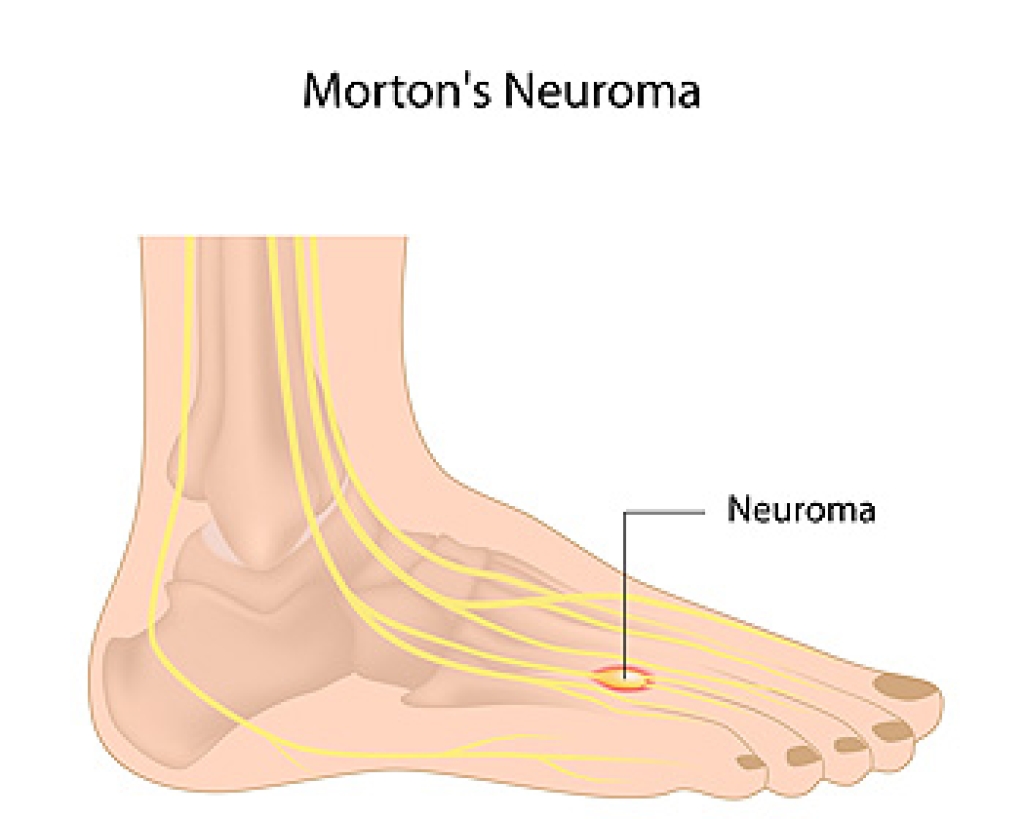
How to Find Relief With Morton’s Neuroma

One of the most common symptoms that patients notice with the foot condition that is referred to as Morton’s neuroma is the sensation of having a pebble in the shoe. It can cause continuous pain in the ball of the foot, and it most often happens as a result of frequently wearing high heels. These types of shoes generally do not provide ample room for the toes to move freely in, possibly causing the nerve between the third and fourth toes to become irritated. Additional symptoms can include having a numbing or tingling feeling in the toes, and a burning pain may exist in the ball of the foot. Patients have found relief in the beginning stages of Morton’s neuroma when shoes with lower heels are worn, and participating in sporting activities is temporarily ceased. In severe cases, surgery may be necessary, which can permanently repair or remove the affected nerve. If you feel you may have this condition, please speak with a podiatrist who can help you to decide on the correct treatment method.

Morton’s neuroma is a very uncomfortable condition to live with. If you think you have Morton’s neuroma, contact Wendy L. Grossman, DPM of New Jersey. Our doctor will attend to all of your foot care needs and answer any of your related questions.  

Morton’s Neuroma

Morton's neuroma is a painful foot condition that commonly affects the areas between the second and third or third and fourth toe, although other areas of the foot are also susceptible. Morton’s neuroma is caused by an inflamed nerve in the foot that is being squeezed and aggravated by surrounding bones.

What Increases the Chances of Having Morton’s Neuroma?

  • Ill-fitting high heels or shoes that add pressure to the toe or foot
  • Jogging, running or any sport that involves constant impact to the foot
  • Flat feet, bunions, and any other foot deformities

Morton’s neuroma is a very treatable condition. Orthotics and shoe inserts can often be used to alleviate the pain on the forefront of the feet. In more severe cases, corticosteroids can also be prescribed. In order to figure out the best treatment for your neuroma, it’s recommended to seek the care of a podiatrist who can diagnose your condition and provide different treatment options.

If you have any questions, please feel free to contact our office located in Bloomfield, NJ . We offer the newest diagnostic and treatment technologies for all your foot care needs.

Read more about Morton's Neuroma

Symptoms of an Achilles Tendon Injury

People who have endured an Achilles tendon injury may have to temporarily alter their lives. It generally happens as a result of an injury that affects the Achilles tendon, and walking may be impossible until proper treatment is provided. This tendon is located in the calf, and connects the calf muscles to the heel. An injury can cause this tendon to rupture, or it may become inflamed from overuse. This can happen from running on uneven surfaces, or from increasing speed and mileage too quickly. If the injury happens from gradual overuse, common symptoms may include stiffness in the heel area after arising, and it can be difficult to flex the foot. Symptoms from a sudden injury can consist of intense pain in the calf and heel, the inability to stand on tiptoes, and a popping sound may be heard. If you have any of the above symptoms, please contact a podiatrist as quickly as possible so the correct treatment can begin.

Achilles tendon injuries need immediate attention to avoid future complications. If you have any concerns, contact Wendy L. Grossman, DPM of New Jersey. Our doctor can provide the care you need to keep you pain-free and on your feet.

What Is the Achilles Tendon?

The Achilles tendon is a tendon that connects the lower leg muscles and calf to the heel of the foot. It is the strongest tendon in the human body and is essential for making movement possible. Because this tendon is such an integral part of the body, any injuries to it can create immense difficulties and should immediately be presented to a doctor.

What Are the Symptoms of an Achilles Tendon Injury?

There are various types of injuries that can affect the Achilles tendon. The two most common injuries are Achilles tendinitis and ruptures of the tendon.

Achilles Tendinitis Symptoms

  • Inflammation
  • Dull to severe pain
  • Increased blood flow to the tendon
  • Thickening of the tendon

Rupture Symptoms

  • Extreme pain and swelling in the foot
  • Total immobility

Treatment and Prevention

Achilles tendon injuries are diagnosed by a thorough physical evaluation, which can include an MRI. Treatment involves rest, physical therapy, and in some cases, surgery. However, various preventative measures can be taken to avoid these injuries, such as:

  • Thorough stretching of the tendon before and after exercise
  • Strengthening exercises like calf raises, squats, leg curls, leg extensions, leg raises, lunges, and leg presses

If you have any questions please feel free to contact our office located in Bloomfield, NJ . We offer the newest diagnostic tools and technology to treat your foot and ankle needs.

Read more about The Causes, Types, and Treatments of Achilles Tendon Injuries

What Is a High Ankle Sprain?

An ankle sprain is one of the most common sports injury nationwide. A lower ankle sprain is experienced by most people who endure this type of injury, and this is defined as damage that is done to the tendons and muscles below the ankle. Conversely, a high ankle sprain affects the ligaments that support the leg bones which connect to the ankle. This can happen as a result of the foot twisting outward and stretching beyond its normal range of motion. The common symptoms that can accompany a high ankle sprain can include pain while walking upstairs, as the foot flexes upward. The ankle may also feel weak, and this can make walking difficult. Performing a squeeze test is often successful in determining an existing high ankle sprain. This is done by squeezing the patient’s leg under the knee, and observing if there is pain that radiates to the ankle area. Relief can be found when the affected foot is elevated, and existing swelling may be reduced when the foot is wrapped in compression bandages. If you have this type of injury, it is strongly advised that you consult with a podiatrist who can effectively treat an ankle sprain.

Ankle sprains are common but need immediate attention. If you need your feet checked, contact Wendy L. Grossman, DPM from New Jersey. Our doctor can provide the care you need to keep you pain-free and on your feet.

How Does an Ankle Sprain Occur?

Ankle sprains take place when the ligaments in your ankle are torn or stretched beyond their limits. There are multiple ways that the ankle can become injured, including twisting or rolling over onto your ankle, putting undue stress on it, or causing trauma to the ankle itself.

What Are the Symptoms?

  • Mild to moderate bruising
  • Limited mobility
  • Swelling
  • Discoloration of the skin (depending on severity)

Preventing a Sprain

  • Wearing appropriate shoes for the occasion
  • Stretching before exercises and sports
  • Knowing your limits

Treatment of a Sprain

Treatment of a sprain depends on the severity.  Many times, people are told to rest and remain off their feet completely, while others are given an air cast. If the sprain is very severe, surgery may be required.

If you have suffered an ankle sprain previously, you may want to consider additional support such as a brace and regular exercises to strengthen the ankle.

If you have any questions please feel free to contact our office located in Bloomfield, NJ . We offer the newest diagnostic tools and technology to treat your foot and ankle needs.

Read more about Ankle Sprains

Possible Benefits of Walking Barefoot

There are several benefits that can occur when parents encourage their children to walk barefoot. These can include improvements in balance, walking, and range of motion. Additionally, the joints and muscles in the feet can become stronger, as a result of the toes gripping the floor. Research has indicated that the nervous system is stimulated when a child walks barefoot, and pressure points are used to send messages to various parts of the body. Children often become more aware of their surroundings when they walk barefoot outside. Walking on different surfaces such as grass, sand, leaves, and concrete can help the child to become more sensitive to nature. Their motor skills may be improved, and it may be easier to jump and balance during playtime activities. It is advised that sunscreen is applied to the child’s feet, and as a precaution against getting a sunburn, shoes may need to be worn outside on a particularly sunny day. If you would like more information about the benefits of having your child walk barefoot, please ask a podiatrist who can help you with the information you are seeking.

Making sure that your children maintain good foot health is very important as they grow. If you have any questions, contact Wendy L. Grossman, DPM of New Jersey. Our doctor can provide the care you need to keep you pain-free and on your feet.

Keeping Children's Feet Healthy

Having healthy feet during childhood can help prevent medical problems later in life, namely in the back and legs. As children grow, their feet require different types of care. Here are some things to consider...

Although babies do not walk yet, it is still very important to take care of their feet.

Avoid putting tight shoes or socks on his or her feet.

Allow the baby to stretch and kick his or her feet to feel comfortable.

As a toddler, kids are now on the move and begin to develop differently. At this age, toddlers are getting a feel for walking, so don’t be alarmed if your toddler is unsteady or ‘walks funny’. 

As your child gets older, it is important to teach them how to take care of their feet.

Show them proper hygiene to prevent infections such as fungus.

Be watchful for any pain or injury.

Have all injuries checked by a doctor as soon as possible.

Comfortable, protective shoes should always be worn, especially at play.

If you have any questions, please feel free to contact our office located in Bloomfield, NJ . We offer the newest diagnostic and treatment technologies for all your foot care needs.

Read more about What to Do to Keep Your Child’s Feet Healthy

Several Causes for Foot Pain

A common place for foot pain to develop is in the heel. It can indicate several foot issues, including plantar fasciitis, Achilles tendonitis, and heel spurs. All of these conditions are treatable, and a podiatrist is often contacted who can relieve the chronic pain that can be associated with these foot conditions. Flat feet may cause pain in some patients, and this is a result of little or no arch support. Wearing orthotics is a viable option that may help to diminish the pain and discomfort. A corn on the foot can bring excess pain to the patient. It is defined as a small, hardened area of skin that forms when pressure is exerted in a specific area of the foot, often the side of the pinky toe. This often happens as a result of wearing shoes and socks that are too tight. Foot pain for any reason can alter a patient's mood and can make completing daily activities challenging. A podiatrist is qualified to determine the cause of the foot pain and offer correct treatment options, so it is strongly urged that you contact this type of doctor as quickly as possible.

Foot Pain

Foot pain can be extremely painful and debilitating. If you have a foot pain, consult with Wendy L. Grossman, DPM  from New Jersey. Our doctor will assess your condition and provide you with quality foot and ankle treatment.

Causes

Foot pain is a very broad condition that could be caused by one or more ailments. The most common include:

  • Bunions
  • Hammertoes
  • Plantar Fasciitis
  • Bone Spurs
  • Corns
  • Tarsal Tunnel Syndrome
  • Ingrown Toenails
  • Arthritis (such as Gout, Rheumatoid, and Osteoarthritis)
  • Flat Feet
  • Injury (from stress fractures, broken toe, foot, ankle, Achilles tendon ruptures, and sprains)
  • And more

Diagnosis

To figure out the cause of foot pain, podiatrists utilize several different methods. This can range from simple visual inspections and sensation tests to X-rays and MRI scans. Prior medical history, family medical history, and any recent physical traumatic events will all be taken into consideration for a proper diagnosis.

Treatment

Treatment depends upon the cause of the foot pain. Whether it is resting, staying off the foot, or having surgery; podiatrists have a number of treatment options available for foot pain.

If you have any questions, please feel free to contact our office located in Bloomfield, NJ . We offer the newest diagnostic and treatment technologies for all your foot care needs.

Read more about Foot Pain

How Poor Circulation Can Affect the Feet

Healthy blood flow, which is known as circulation, is an important part of how we live. The purpose of the circulatory system is to deliver oxygen and nutrients throughout our cells, in addition to clearing out waste materials in the body. The feet are often the first parts of the body to notice if poor circulation exists, and they may become blue, cold, or swollen. Some people develop a tingling sensation or their feet may become numb. Poor circulation is often seen in diabetic patients, and this may be a result of hardened and narrowed arteries. Additionally, people who sit for extended periods may develop poor circulation and it is suggested to walk for small amounts of time during the day to provide adequate movement. Mild relief may occur when compression socks are worn and these may help restore blood flow to the feet. If you suffer from poor circulation in the feet, please confer with a podiatrist who can determine what the cause is as well as provide effective treatment options.

Poor circulation is a serious condition and needs immediate medical attention. If you have any concerns with poor circulation in your feet contact Wendy L. Grossman, DPM of New Jersey. Our doctor will treat your foot and ankle needs.

Poor Circulation in the Feet

Poor blood circulation in the feet and legs is can be caused by peripheral artery disease (PAD), which is the result of a buildup of plaque in the arteries.

Plaque buildup or atherosclerosis results from excess calcium and cholesterol in the bloodstream. This can restrict the amount of blood which can flow through the arteries. Poor blood circulation in the feet and legs are sometimes caused by inflammation in the blood vessels, known as vasculitis.

Causes

Lack of oxygen and oxygen from poor blood circulation restricts muscle growth and development. It can also cause:

  • Muscle pain, stiffness, or weakness 
  • Numbness or cramping in the legs
  • Skin discoloration
  • Slower nail & hair growth
  • Erectile dysfunction

Those who have diabetes or smoke are at greatest risk for poor circulation, as are those who are over 50. If you have poor circulation in the feet and legs it may be caused by PAD and is important to make changes to your lifestyle in order to reduce risk of getting a heart attack or stroke. Exercise and maintaining a healthy lifestyle will dramatically improve conditions.

As always, see a podiatrist as he or she will assist in finding a regimen that suits you. A podiatrist can also prescribe you any needed medication. 

If you have any questions, please feel free to contact our office located in Bloomfield, NJ . We offer the newest diagnostic and treatment technologies for all your foot care needs.

Read more about Causes Symptoms and Treatment for Poor Circulation in the Feet

Diagnosing a Broken Ankle

A broken ankle occurs when the bone endures a break, which can be either partial or complete. It can be very easy for an individual who has suffered a broken ankle to mistake it for an ankle sprain, and vice versa. Therefore, it is important to seek out medical attention from a doctor who can perform a proper diagnosis to confirm what the injury is. If you seek out attention from a podiatrist, this medical professional will examine you, touching specific areas of the feet or ankles. This can give the podiatrist a better understanding of the nature of your injury. Then, as part of the diagnosis, a podiatrist might want to perform an imaging procedure, such as an X-ray, to better observe the affected bones in the feet or ankles. It is important to remember that receiving this diagnosis should be done as soon as possible after enduring a broken ankle. If you suspect that you have broken your ankle, schedule an appointment with a podiatrist today.

Broken ankles need immediate treatment. If you are seeking treatment, contact Wendy L. Grossman, DPM from New Jersey. Our doctor can provide the care you need to keep you pain-free and on your feet. 

Broken Ankles
A broken ankle is experienced when a person fractures their tibia or fibula in the lower leg and ankle area. Both of these bones are attached at the bottom of the leg and combine to form what we know to be our ankle.

When a physician is referring to a break of the ankle, he or she is usually referring to a break in the area where the tibia and fibula are joined to create our ankle joint. Ankles are more prone to fractures because the ankle is an area that suffers a lot of pressure and stress. There are some obvious signs when a person experiences a fractured ankle, and the following symptoms may be present.

Symptoms of a Fractured Ankle

  • Excessive pain when the area is touched or when any pressure is placed on the ankle
  • Swelling around the area
  • Bruising of the area
  • Area appears to be deformed

If you suspect an ankle fracture, it is recommended to seek treatment as soon as possible. The sooner you have your podiatrist diagnose the fracture, the quicker you’ll be on the way towards recovery.

If you have any questions, please feel free to contact our office located in Bloomfield, NJ . We offer the newest diagnostic and treatment technologies for all your foot care needs.

Read more about All About Broken Ankles

Aching Feet and Ankles From Standing All Day

Many professions require workers to stand on hard surfaces all day. Because of this requirement, it is no wonder their feet and ankles become tired and sore. The muscles and tendons of the feet and legs can become stiff and the tendons throughout the feet can become calcified, which can cause various health problems, including ligament damage, ankle sprains, and more. Standing on your feet all day can put stress on bones in the body and interfere with proper circulation that can lead to clogged arteries and heart disease. It should be uplifting to know there are some simple things that can be done to help alleviate discomfort. These things include taking regular rest breaks, breaking up routine movements by varying tasks throughout the day, and wearing well-fitting, supportive shoes, with good arch support. When the day is done, one can get relief from doing regular foot soaks, massaging the feet, stretching the legs and feet, and elevating them. Seeing a podiatrist can help with providing additional suggestions for how to deal with pressure that builds up in the muscles from prolonged standing.

While working on the feet, it is important to take the proper care of them. For more information about working on your feet, contact Wendy L. Grossman, DPM from New Jersey. Our doctor will treat your foot and ankle needs.

Working on Your Feet

Standing on your feet for long periods of time can cause stress and pain in your feet. Your whole body may experience change in terms of posture, back pain, bunions, callouses and or plantar warts. There are ways to avoid these conditions with proper foot care, smart choices and correct posture.

Positive Changes

Negative heeled shoe – Choosing this shoe type places the heel slightly lower than the ball of the foot. These are great for overall foot health. Find shoes that fit you correctly.

Go barefoot – Our feet were not designed to be enclosed for all hours of the day. Try to periodically expose your feet to air.

Eliminate Pain

Foot Exercises – Performing simple exercises, incorporating yoga and doing stretches are beneficial. This will allow increased blood flow to the area and muscles of the foot.

Achilles tendon – Stretching the foot out flat on the floor will relax the calf muscles and tendon. These exercises can be performed almost anywhere. Make sure you add these exercises to your daily regimen. 

With a little bit of this information and knowing more about foot health, you will notice changes. Foot stretches and proper footwear will help with pain and prevent further issues.

If you have any questions please contact our office located in Bloomfield, NJ . We offer the newest diagnostic and treatment technologies for all your foot and ankle needs.

Read more about Working on Your Feet

Taking Care of Diabetic Feet

A common area for diabetics to experience problems is their feet. We should all be aware of the vital role our feet play in life as they hold us up when we are standing or walking. It is particularly important for diabetics to maintain the health of their feet as diabetes often comes with peripheral neuropathy which can cause numbness and tingling in the feet and pain. Some sensations that those without diabetes feel are not felt by diabetics. Beyond maintaining blood/sugar levels, if you are diabetic, some things you can do for your feet include checking your feet daily to make sure you do not have sores, cuts, bruises, or any reddened or swollen areas, wash feet daily with soap and water, dry them well, apply moisturizer, and keep your toenails trimmed by cutting them straight across. It is suggested that you see a podiatrist regularly to have your feet examined and to obtain additional tips for you to protect your feet from diabetic side effects.

Diabetic foot care is important in preventing foot ailments such as ulcers. If you are suffering from diabetes or have any other concerns about your feet, contact Wendy L. Grossman, DPM from New Jersey. Our doctor can provide the care you need to keep you pain-free and on your feet.

Diabetic Foot Care

Diabetes affects millions of people every year. The condition can damage blood vessels in many parts of the body, especially the feet. Because of this, taking care of your feet is essential if you have diabetes, and having a podiatrist help monitor your foot health is highly recommended.

The Importance of Caring for Your Feet

  • Routinely inspect your feet for bruises or sores.
  • Wear socks that fit your feet comfortably.
  • Wear comfortable shoes that provide adequate support.

Patients with diabetes should have their doctor monitor their blood levels, as blood sugar levels play such a huge role in diabetic care. Monitoring these levels on a regular basis is highly advised.

It is always best to inform your healthcare professional of any concerns you may have regarding your feet, especially for diabetic patients. Early treatment and routine foot examinations are keys to maintaining proper health, especially because severe complications can arise if proper treatment is not applied.

If you have any questions, please feel free to contact our office located in Bloomfield, NJ . We offer the newest diagnostic and treatment technologies for all your foot care needs.

Read more about Diabetic Foot Conditions

Connect With Us