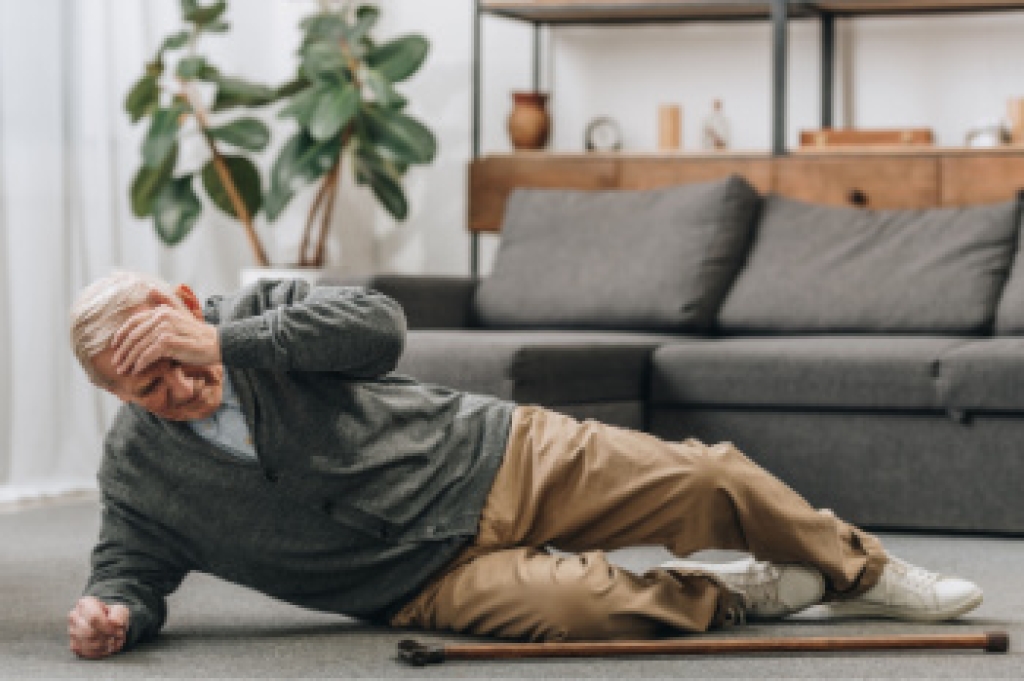
Fall Prevention and Foot Health Tips for Seniors

Falls are a serious concern for seniors, often leading to fractures, sprains, and long-term foot or ankle issues. Simple home modifications can greatly reduce risk. Remove boxes and newspapers from walking paths, tape down loose rugs, use nonslip mats in bathrooms, and install night lights to improve visibility. Staying strong through regular exercise enhances balance and stability. Foot conditions, such as plantar fasciitis, bunions, or neuropathy, can increase fall risk. A podiatrist can assess foot health, recommend supportive footwear or orthotics, and provide exercises to improve balance. If you have fallen and have injured your foot or ankle, it is suggested that you consult a podiatrist who can treat various foot conditions, and guide you on additional fall prevention tips.

Preventing falls among the elderly is very important. If you are older and have fallen or fear that you are prone to falling, consult with Wendy L. Grossman, DPM from New Jersey. Our doctor will assess your condition and provide you with quality advice and care.

Every 11 seconds, an elderly American is being treated in an emergency room for a fall related injury. Falls are the leading cause of head and hip injuries for those 65 and older. Due to decreases in strength, balance, senses, and lack of awareness, elderly persons are very susceptible to falling. Thankfully, there are a number of things older persons can do to prevent falls.

How to Prevent Falls

Some effective methods that older persons can do to prevent falls include:

  • Enrolling in strength and balance exercise program to increase balance and strength
  • Periodically having your sight and hearing checked
  • Discuss any medications you have with a doctor to see if it increases the risk of falling
  • Clearing the house of falling hazards and installing devices like grab bars and railings
  • Utilizing a walker or cane
  • Wearing shoes that provide good support and cushioning
  • Talking to family members about falling and increasing awareness

Falling can be a traumatic and embarrassing experience for elderly persons; this can make them less willing to leave the house, and less willing to talk to someone about their fears of falling. Doing such things, however, will increase the likelihood of tripping or losing one’s balance. Knowing the causes of falling and how to prevent them is the best way to mitigate the risk of serious injury.  

If you have any questions, please feel free to contact our office located in Bloomfield, NJ . We offer the newest diagnostic and treatment technologies for all your foot care needs.
Read more about Falls Prevention

Tips for Purchasing Children's Shoes

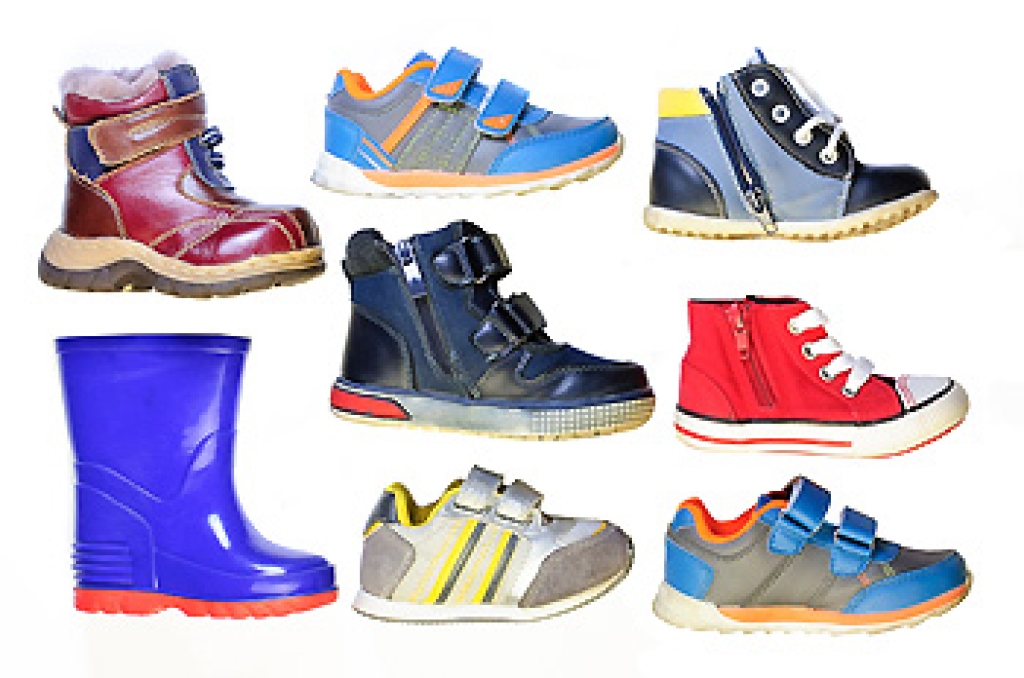
Much like adults, children can experience various foot problems caused by ill-fitting, uncomfortable, or unsupportive shoes. These foot problems can be avoided by finding the right pair of shoes for your child. A child’s foot can grow up to two sizes within six months. This means that they will generally need new shoes more often than an adult would. When shoe shopping, look for shoes that leave about a finger’s width of room from the end of the shoe to the tip of your child’s big toe to ensure a proper fit. Shoes often wear out over time, and wearing worn out shoes can increase the risk of developing heel pain, Achilles tendonitis, ankle sprains, and fractures. Shoes that are too tight can cause calluses corns and blisters. Inspect your child’s shoes regularly to make sure that they have proper cushioning and support. If your child has flat feet, it is suggested to buy them shoes with a wide toe box, maximum arch support, and shock absorption. For more information on finding the right shoes for your child, speak with a podiatrist today.

Making sure that your children maintain good foot health is very important as they grow. If you have any questions, contact Wendy L. Grossman, DPM of New Jersey. Our doctor can provide the care you need to keep you pain-free and on your feet.

Keeping Children's Feet Healthy

Having healthy feet during childhood can help prevent medical problems later in life, namely in the back and legs. As children grow, their feet require different types of care. Here are some things to consider...

Although babies do not walk yet, it is still very important to take care of their feet.

Avoid putting tight shoes or socks on his or her feet.

Allow the baby to stretch and kick his or her feet to feel comfortable.

As a toddler, kids are now on the move and begin to develop differently. At this age, toddlers are getting a feel for walking, so don’t be alarmed if your toddler is unsteady or ‘walks funny’. 

As your child gets older, it is important to teach them how to take care of their feet.

Show them proper hygiene to prevent infections such as fungus.

Be watchful for any pain or injury.

Have all injuries checked by a doctor as soon as possible.

Comfortable, protective shoes should always be worn, especially at play.

If you have any questions, please feel free to contact our office located in Bloomfield, NJ . We offer the newest diagnostic and treatment technologies for all your foot care needs.

Read more about What to Do to Keep Your Child’s Feet Healthy

Can My Baby Develop an Ingrown Toenail?

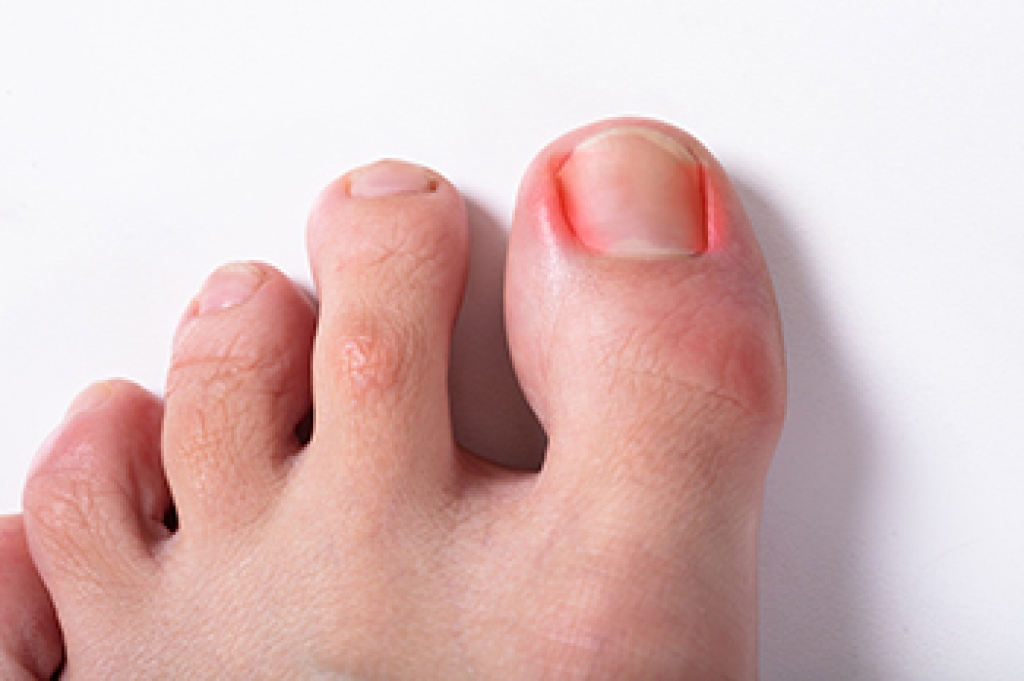
A toenail that grows into the skin on the sides of the toe is known as an ingrown toenail. Research has shown that a baby's toenails are soft and pliable, and if it is accompanied by swelling and redness, it may be an ingrown toenail. Additional symptoms of this condition can include pain and difficulty keeping shoes on. Some of the reasons this ailment may occur can consist of trimming the toenails incorrectly, wearing shoes that are too tight, and it may run in families. Your child’s foot may feel better when it is soaked in warm water, and the swollen area is gently massaged. If your child has these symptoms, it is strongly suggested that you consult with a podiatrist who can guide you toward proper treatment techniques.

Ingrown toenails may initially present themselves as a minor discomfort, but they may progress into an infection in the skin without proper treatment. For more information about ingrown toenails, contact Wendy L. Grossman, DPM of New Jersey. Our doctor can provide the care you need to keep you pain-free and on your feet.

Ingrown Toenails

Ingrown toenails are caused when the corner or side of a toenail grows into the soft flesh surrounding it. They often result in redness, swelling, pain, and in some cases, infection. This condition typically affects the big toe and may recur if it is not treated properly.

Causes

  • Improper toenail trimming
  • Genetics
  • Improper shoe fitting
  • Injury from pedicures or nail picking
  • Abnormal gait
  • Poor hygiene

You are more likely to develop an ingrown toenail if you are obese, have diabetes, arthritis, or have any fungal infection in your nails. Additionally, people who have foot or toe deformities are at a higher risk of developing an ingrown toenail.

Symptoms

Some symptoms of ingrown toenails are redness, swelling, and pain. In rare cases, there may be a yellowish drainage coming from the nail.

Treatment

Ignoring an ingrown toenail can have serious complications. Infections of the nail border can progress to a deeper soft-tissue infection, which can then turn into a bone infection. You should always speak with your podiatrist if you suspect you have an ingrown toenail, especially if you have diabetes or poor circulation.

If you have any questions, please feel free to contact our office located in Bloomfield, NJ . We offer the newest diagnostic and treatment technologies for all your foot care needs.

Read more about Ingrown Toenails

Heel Pain in the Morning?

Heel pain can negatively affect your day-to-day life. Simple activities like walking can become incredibly uncomfortable or painful due to heel pain.

Don’t live with heel pain and get treated.

Dealing With Bunions

Bunions are bony bumps that form at the base of the big toe, as the top of the toe angles inward. Women tend to suffer from bunions more than men. Bunions often result from genetics, poor-fitting shoes, flat feet, or arthritis. Symptoms include pain, swelling, and difficulty wearing shoes. The area may feel tender or stiff, and walking can become increasingly uncomfortable. Bunions can worsen over time if left untreated. A podiatrist can evaluate the condition through a physical examination and imaging, such as X-rays. Conservative treatment includes padding, orthotics, shoe modifications, and anti-inflammatory medications. If you are dealing with a painful bunion, it is suggested that you make an appointment with a podiatrist to receive an accurate diagnosis and explore the best treatment options tailored to your needs.

If you are suffering from bunion pain, contact Wendy L. Grossman, DPM of New Jersey. Our doctor can provide the care you need to keep you pain-free and on your feet.

What Is a Bunion?

Bunions are painful bony bumps that usually develop on the inside of the foot at the joint of the big toe. As the deformity increases over time, it may become painful to walk and wear shoes. Women are more likely to exacerbate existing bunions since they often wear tight, narrow shoes that shift their toes together. Bunion pain can be relieved by wearing wider shoes with enough room for the toes.

Causes

  • Genetics – some people inherit feet that are more prone to bunion development
  • Inflammatory Conditions - rheumatoid arthritis and polio may cause bunion development

Symptoms

  • Redness and inflammation
  • Pain and tenderness
  • Callus or corns on the bump
  • Restricted motion in the big toe

In order to diagnose your bunion, your podiatrist may ask about your medical history, symptoms, and general health. Your doctor might also order an x-ray to take a closer look at your feet. Nonsurgical treatment options include orthotics, padding, icing, changes in footwear, and medication. If nonsurgical treatments don’t alleviate your bunion pain, surgery may be necessary.

If you have any questions, please feel free to contact our office located in Bloomfield, NJ . We offer the newest diagnostic and treatment technologies for all your foot care needs.

Read more about What Are Bunions?

Understanding Toe Pain From a Stubbed Toe

Toe pain is a common issue that can interfere with walking and daily activities. A stubbed toe occurs when the toe is forcefully hit against a hard surface, leading to bruising, swelling, or even fractures. The pain may be sharp at first and linger as the toe becomes inflamed. While most cases improve with rest, some injuries can be more severe and require medical attention. A podiatrist can determine if the toe is fractured, provide proper treatment, and help prevent long-term complications. If you have ongoing toe pain after stubbing your toe, it is suggested that you schedule an appointment with a podiatrist who can provide effective relief tips. 

Toe pain can disrupt your daily activities. If you have any concerns, contact Wendy L. Grossman, DPM of New Jersey. Our doctor can provide the care you need to keep you pain-free and on your feet.

What Causes Toe Pain?

Most severe toe pain is caused due to a sports injury, trauma from dropping something heavy on the toe, or bumping into something rigid. Other problems can develop over time for various reasons.

Toe pain can be caused by one or more ailments. The most common include:

  • Trauma
  • Sports injury
  • Wearing shoes that are too tight
  • Arthritis
  • Gout
  • Corns and calluses
  • Hammertoe
  • Bunions
  • Blisters
  • Ingrown toenails
  • Sprains
  • Fractures (broken bones)
  • Dislocations

When to See a Podiatrist

  • Severe pain
  • Persistent pain that lasts more than a week
  • Signs of infection
  • Continued swelling
  • Pain that prevents walking

Diagnosis

In many cases the cause of toe pain is obvious, but in others, a podiatrist may want to use more advanced methods to determine the problem. These can range from simple visual inspections and sensation tests to X-rays and MRI scans. Prior medical history, family medical history, and any recent physical traumatic events will all be taken into consideration for a proper diagnosis.

Treatment

Treatments for toe pain and injuries vary and may include shoe inserts, padding, taping, medicines, injections, and in some cases, surgery. If you believe that you have broken a toe, please see a podiatrist as soon as possible.

If you have any questions please contact our office located in Bloomfield, NJ . We offer the newest diagnostic and treatment technologies for all your foot and ankle needs.

Read more about Toe Pain

Understanding Stress Fractures in Athletes

A stress fracture is a small crack in a bone that often develops from repetitive stress rather than a sudden injury. Athletes are particularly prone to stress fractures due to recurring movements, overtraining, wearing poor footwear, or sudden increases in activity. Symptoms include localized pain, swelling, and discomfort that worsens with activity. Managing stress fractures usually involves rest, activity modification, supportive footwear, and a gradual return to sports. A podiatrist can provide an accurate diagnosis through imaging, recommend treatment options, and guide rehabilitation to prevent further injury. If you are experiencing persistent foot pain or suspect a stress fracture, it is suggested that you promptly visit a podiatrist for expert care to help you heal properly and return to your activities safely.

Stress fractures occur when there is a tiny crack within a bone. To learn more, contact Wendy L. Grossman, DPM from New Jersey. Our doctor can provide the care you need to keep you pain free and on your feet.

How Are They Caused?

Stress fractures are the result of repetitive force being placed on the bone. Since the lower leg and feet often carry most of the body’s weight, stress fractures are likely to occur in these areas. If you rush into a new exercise, you are more likely to develop a stress fracture since you are starting too much, too soon.  Pain resulting from stress fractures may go unnoticed at first, however it may start to worsen over time.

Risk Factors

  • Gender – They are more commonly found in women compared to men.
  • Foot Problems – People with unusual arches in their feet are more likely to develop stress fractures.
  • Certain Sports – Dancers, gymnasts, tennis players, runners, and basketball players are more likely to develop stress fractures.
  • Lack of Nutrients – A lack of vitamin D and calcium may weaken the bones and make you more prone to stress fractures
  • Weak Bones – Osteoporosis can weaken the bones therefore resulting in stress fractures

Stress fractures do not always heal properly, so it is important that you seek help from a podiatrist if you suspect you may have one. Ignoring your stress fracture may cause it to worsen, and you may develop chronic pain as well as additional fractures.

If you have any questions please contact our office located in Bloomfield, NJ . We offer the newest diagnostic and treatment technologies for all your foot and ankle needs.

Read more about Stress Fractures of the Foot and Ankle

Running and Pain on the Outside of the Foot

Pain on the outside of the foot after running can result from several conditions. Stress fractures may develop from repetitive impact, while peroneal tendonitis occurs when the tendons along the outer ankle and foot become irritated. Cuboid syndrome involves joint misalignment in the midfoot, and arthritis can cause stiffness and inflammation. Additionally, friction blisters may also appear from wearing ill-fitting shoes or prolonged running. Each of these issues can interfere with performance and daily comfort, if left untreated. A podiatrist can identify the cause, provide targeted treatment, and recommend proper footwear or training adjustments. If running leaves you with persistent outer foot pain, it is suggested that you promptly schedule an appointment with a podiatrist today who can provide effective relief and treatment tips.

Foot Pain

Foot pain can be extremely painful and debilitating. If you have a foot pain, consult with Wendy L. Grossman, DPM  from New Jersey. Our doctor will assess your condition and provide you with quality foot and ankle treatment.

Causes

Foot pain is a very broad condition that could be caused by one or more ailments. The most common include:

  • Bunions
  • Hammertoes
  • Plantar Fasciitis
  • Bone Spurs
  • Corns
  • Tarsal Tunnel Syndrome
  • Ingrown Toenails
  • Arthritis (such as Gout, Rheumatoid, and Osteoarthritis)
  • Flat Feet
  • Injury (from stress fractures, broken toe, foot, ankle, Achilles tendon ruptures, and sprains)
  • And more

Diagnosis

To figure out the cause of foot pain, podiatrists utilize several different methods. This can range from simple visual inspections and sensation tests to X-rays and MRI scans. Prior medical history, family medical history, and any recent physical traumatic events will all be taken into consideration for a proper diagnosis.

Treatment

Treatment depends upon the cause of the foot pain. Whether it is resting, staying off the foot, or having surgery; podiatrists have a number of treatment options available for foot pain.

If you have any questions, please feel free to contact our office located in Bloomfield, NJ . We offer the newest diagnostic and treatment technologies for all your foot care needs.

Read more about Foot Pain

Understanding Common Peroneal Nerve Dysfunction

When the common peroneal nerve is injured, it can disrupt the way the foot and leg move or feel. This nerve runs along the outer side of the knee and down the leg, carrying signals that control certain muscles and sensations. Damage can occur from trauma, prolonged pressure, or underlying health issues. People may notice weakness when lifting the foot, numbness, or a tingling sensation along the shin and top of the foot. In some cases, walking becomes difficult due to a condition often called foot drop. Early diagnosis and treatment can help prevent long term complications. Management may include targeted exercises, bracing, or addressing the cause of the nerve injury. Paying attention to persistent changes in strength or sensation is important. If these symptoms develop, it is suggested that you see a podiatrist for evaluation and appropriate treatment.

Neuropathy

Neuropathy can be a potentially serious condition, especially if it is left undiagnosed. If you have any concerns that you may be experiencing nerve loss in your feet, consult with Wendy L. Grossman, DPM  from New Jersey. Our doctor will assess your condition and provide you with quality foot and ankle treatment for neuropathy.

What Is Neuropathy?

Neuropathy is a condition that leads to damage to the nerves in the body. Peripheral neuropathy, or neuropathy that affects your peripheral nervous system, usually occurs in the feet. Neuropathy can be triggered by a number of different causes. Such causes include diabetes, infections, cancers, disorders, and toxic substances.

Symptoms of Neuropathy Include:

  • Numbness
  • Sensation loss
  • Prickling and tingling sensations
  • Throbbing, freezing, burning pains
  • Muscle weakness

Those with diabetes are at serious risk due to being unable to feel an ulcer on their feet. Diabetics usually also suffer from poor blood circulation. This can lead to the wound not healing, infections occurring, and the limb may have to be amputated.

Treatment

To treat neuropathy in the foot, podiatrists will first diagnose the cause of the neuropathy. Figuring out the underlying cause of the neuropathy will allow the podiatrist to prescribe the best treatment, whether it be caused by diabetes, toxic substance exposure, infection, etc. If the nerve has not died, then it’s possible that sensation may be able to return to the foot.

Pain medication may be issued for pain. Electrical nerve stimulation can be used to stimulate nerves. If the neuropathy is caused from pressure on the nerves, then surgery may be necessary.

If you have any questions, please feel free to contact our office located in Bloomfield, NJ . We offer the newest diagnostic and treatment technologies for all your foot care needs.

Read more about Neuropathy

Let the Expert Treat Your Ingrown Toenails

Ingrown toenails can be painful and can make wearing shoes or walking uncomfortable. Seek professional help if you believe you've developed an ingrown toenail and be treated safely. 

Connect With Us