Why Do I Have Cracked Heels?

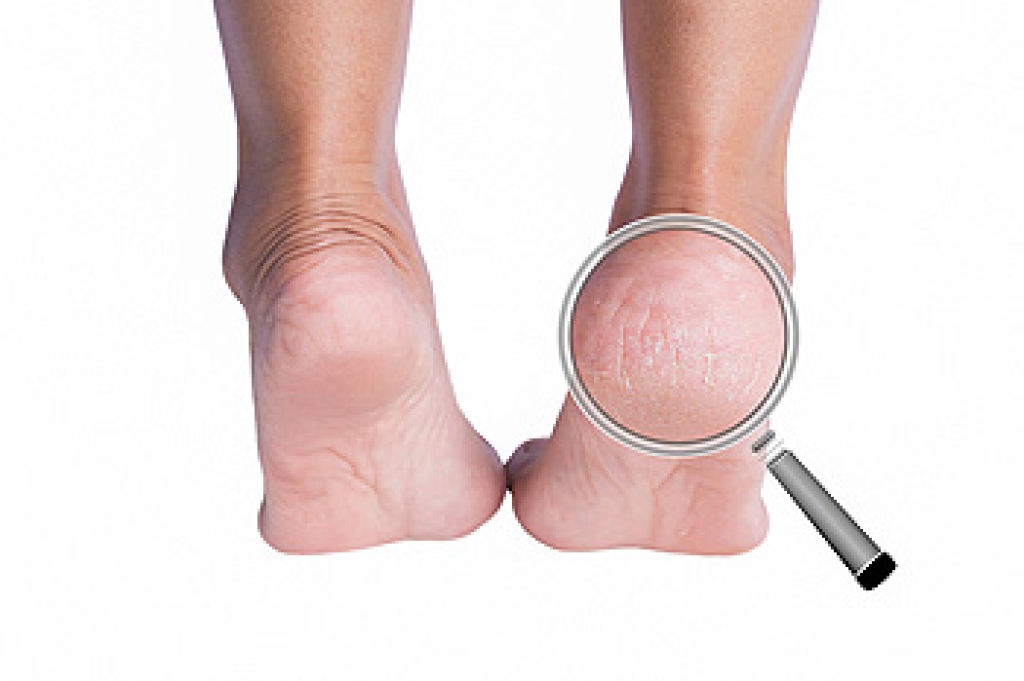
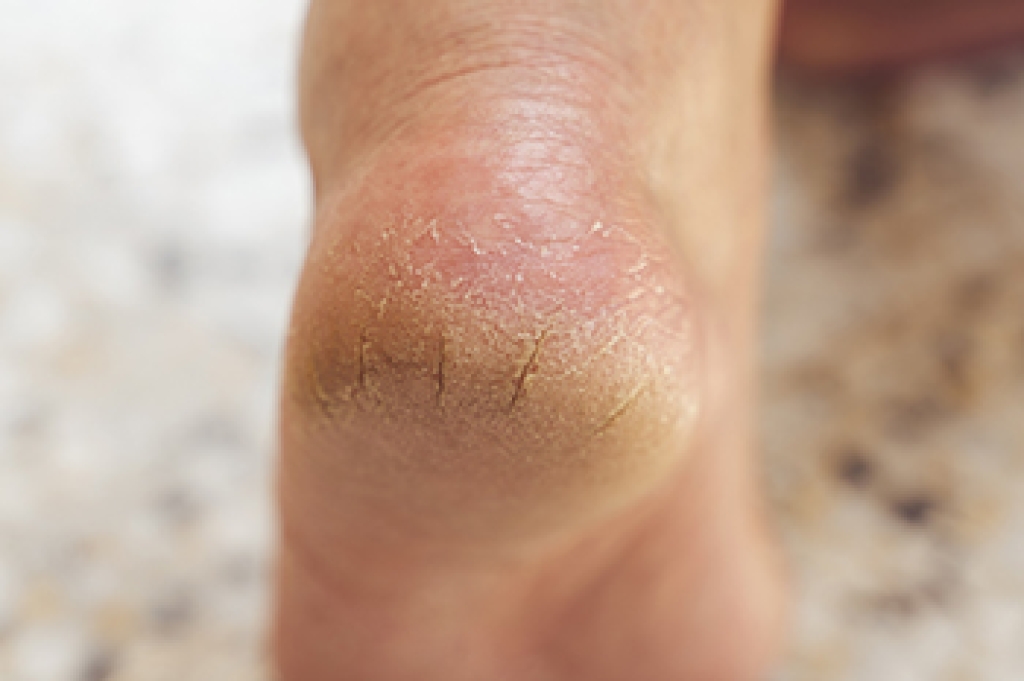
Cracked heels are an uncomfortable foot issue that can cause pain, especially when pressure is applied while walking or standing. The primary cause of cracked heels is dry skin, which can worsen due to prolonged standing, wearing open-back shoes, or exposure to harsh weather. Conditions like obesity, diabetes, and skin disorders such as eczema can also contribute to the problem. As the skin loses moisture and elasticity, it thickens and eventually cracks, leading to pain and even infection. A podiatrist can help treat cracked heels by thoroughly examining your feet and providing professional care. Treatment may include debridement to remove dead skin, moisturizing therapies, and recommendations for proper footwear. A podiatrist may also suggest orthotics or other interventions to address underlying causes, promoting healing and preventing future cracks. If you are dealing with painful cracked heels, it is suggested that you make an appointment with a podiatrist for a treatment plan.

Cracked heels are unsightly and can cause further damage to your shoes and feet. If you have any concerns, contact Wendy L. Grossman, DPM from New Jersey. Our doctor can provide the care you need to keep you pain-free and on your feet.

Cracked Heels

Cracked heels appear unappealing and can make it harder for you walk around in sandals. Aside from looking unpleasant, cracked heels can also tear stockings, socks, and wear out your shoes. There are several methods to help restore a cracked heel and prevent further damage.

How Do You Get Them?

Dry skin is the number one culprit in creating cracked heels. Many athletes, walkers, joggers, and even swimmers suffer from cracked heels. Age and skin oil production play a role to getting cracked heels as well.

Promote Healing

Over the counter medicines can help, especially for those that need instant relief or who suffer from chronic dry feet.

Wear Socks – Wearing socks with medicated creams helps lock in moisture.

Moisturizers – Applying both day and night will help alleviate dryness which causes cracking.

Pumice Stones – These exfoliate and remove dead skin, which allows for smoother moisturizer application and better absorption into the skin. 

Change in Diet

Eating healthy with a well-balanced diet will give the skin a fresh and radiant look. Your body responds to the kinds of food you ingest. Omega-3 fatty acids and zinc supplements can also revitalize skin tissue.

Most importantly, seek professional help if unsure how to proceed in treating cracked heels. A podiatrist will help you with any questions or information needed. 

If you have any questions, please feel free to contact our office located in Bloomfield, NJ . We offer the newest diagnostic and treatment technologies for all your foot care needs.

Read more about Solutions for Cracked Heels

The Connection Between Cracked Heels and Diabetes

Cracked heels are a common foot issue, but in individuals with diabetes, they can signal more serious concerns. Diabetes often leads to dry skin due to reduced oil and sweat gland function, especially in the feet. This dryness increases the risk of skin cracking, particularly around the heels where pressure is greatest. Poor circulation and nerve damage associated with diabetes can prevent individuals from noticing early signs of skin breakdown. When cracks deepen, they can allow bacteria to enter, raising the risk of infection. Healing may also be slower due to impaired blood flow. Proper foot care is essential for people with diabetes. If you have diabetes and have developed cracked heels, it is suggested that you are under the care of a podiatrist who can treat foot problems and help you to manage this condition.

Diabetic foot care is important in preventing foot ailments such as ulcers. If you are suffering from diabetes or have any other concerns about your feet, contact Wendy L. Grossman, DPM from New Jersey. Our doctor can provide the care you need to keep you pain-free and on your feet.

Diabetic Foot Care

Diabetes affects millions of people every year. The condition can damage blood vessels in many parts of the body, especially the feet. Because of this, taking care of your feet is essential if you have diabetes, and having a podiatrist help monitor your foot health is highly recommended.

The Importance of Caring for Your Feet

  • Routinely inspect your feet for bruises or sores.
  • Wear socks that fit your feet comfortably.
  • Wear comfortable shoes that provide adequate support.

Patients with diabetes should have their doctor monitor their blood levels, as blood sugar levels play such a huge role in diabetic care. Monitoring these levels on a regular basis is highly advised.

It is always best to inform your healthcare professional of any concerns you may have regarding your feet, especially for diabetic patients. Early treatment and routine foot examinations are keys to maintaining proper health, especially because severe complications can arise if proper treatment is not applied.

If you have any questions, please feel free to contact our office located in Bloomfield, NJ . We offer the newest diagnostic and treatment technologies for all your foot care needs.

Read more about Diabetic Foot Conditions

Step Into Better Heart Health

When it comes to improving heart health, we often think about diet and cardio workouts. But what is happening below your ankles can also play a surprising role. Studies show that when exercise is paired with custom foot orthotics, the benefits extend beyond muscle tone and endurance. People experience better balance in their cardiovascular system, including more stable blood pressure and improved patterns in heart rate responses. Proper support from custom orthotics helps align the body during movement, reducing physical stress and promoting more efficient circulation. This combination encourages healthier signals between the heart and the nervous system, supporting overall wellness. If you have been working hard to improve your fitness but still struggle with issues like fatigue, lightheadedness, or inconsistent blood pressure, it could be time to look at your feet. For a tailored solution that supports your entire body, it is suggested that you see a podiatrist for an evaluation and personalized treatment.

If you are having discomfort in your feet and would like to try orthotics, contact Wendy L. Grossman, DPM from New Jersey. Our doctor can provide the care you need to keep you pain-free and on your feet.

What Are Orthotics?

Orthotics are inserts you can place into your shoes to help with a variety of foot problems such as flat feet or foot pain. Orthotics provide relief and comfort for minor foot and heel pain but can’t correct serious biomechanical problems in your feet.

Over-the-Counter Inserts

Orthotics come in a wide variety of over-the-counter inserts that are used to treat foot pain, heel pain, and minor problems. For example, arch supports can be inserted into your shoes to help correct overarched or flat feet, while gel insoles are often used because they provide comfort and relief from foot and heel pain by alleviating pressure.

Prescription Orthotics

If over-the-counter inserts don’t work for you or if you have a more severe foot concern, it is possible to have your podiatrist prescribe custom orthotics. These high-quality inserts are designed to treat problems such as abnormal motion, plantar fasciitis, and severe forms of heel pain. They can even be used to help patients suffering from diabetes by treating foot ulcers and painful calluses and are usually molded to your feet individually, which allows them to provide full support and comfort.

If you are experiencing minor to severe foot or heel pain, it’s recommended to speak with your podiatrist about the possibilities of using orthotics. A podiatrist can determine which type of orthotic is right for you and allow you to take the first steps towards being pain-free.

If you have any questions, please feel free to contact our office located in Bloomfield, NJ . We offer the newest diagnostic and treatment technologies for all your foot care needs.

Read more about Foot Orthotics

Get Proper Treatment for Ankle Injuries

If you're experiencing ankle pain, you may be suffering from an ankle injury. Sprains, fractures, Achilles tendonitis, and Achilles tendon ruptures are just some examples of potential ankle injuries. Don't wait for care for an ankle injury, as it may worsen over time. We can help!

Symptoms of Wearing the Wrong Running Shoes

Wearing the wrong running shoes can lead to several issues that affect comfort, performance, and overall foot health. Poor performance is a common sign, as improper support or fit can cause discomfort and inefficiency while running. Runners may experience fatigue more quickly and struggle with maintaining proper form. Premature wear and tear on the shoes can also indicate a poor match, as excessive breakdown of the sole or cushioning suggests inadequate shock absorption or improper foot alignment. Injury is another major concern, as wearing ill-fitting shoes can contribute to blisters, shin splints, knee pain, or even stress fractures. Persistent discomfort, muscle soreness, and joint pain may develop over time. If you have developed foot conditions from wearing the wrong type of running shoe, it is suggested that you visit a podiatrist who can treat various foot ailments, and guide you on what type of shoes to buy for your desired style of running.

If you are a runner, wearing the right running shoe is essential. For more information, contact Wendy L. Grossman, DPM from New Jersey. Our doctor can provide the care you need to keep you pain-free and on your feet.

Choosing the Right Running Shoe for Your Foot Type

To increase performance and avoid the risk of injury, it is important to choose the right running shoe based on your foot type. The general design of running shoes revolves around pronation, which is how the ankle rolls from outside to inside when the foot strikes the ground.

  • Neutral runners are able to choose from a wide variety of shoes, including minimalist shoes or even going barefoot.
  • Runners who overpronate, or experience an over-abundance of ankle rolling, should choose shoes that provide extra motion control and stability.
  • Runners who underpronate, or supinate, have feet that have high arches and lack flexibility, preventing shock absorption. They require shoes with more flexibility and cushion.

If you have any questions, please feel free to contact our office located in Bloomfield, NJ . We offer the newest diagnostic and treatment technologies for all your foot care needs.
Read more about Choosing the Right Running Shoe for Your Foot Type

Why Do People Get Bunions?

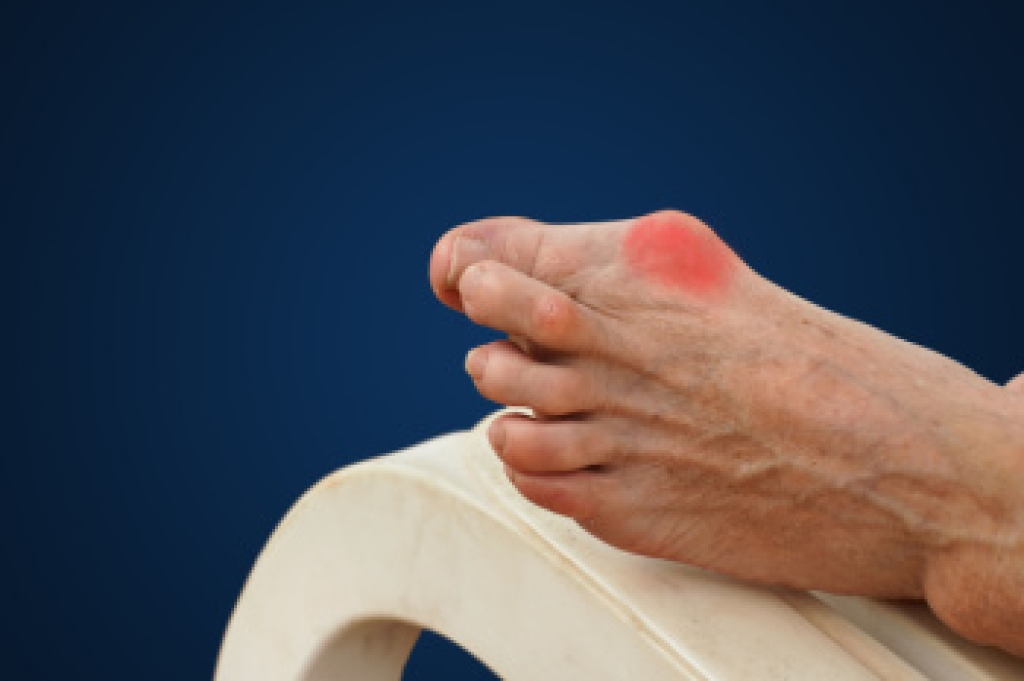
Bunions are a common foot problem that causes a bump to form at the base of the big toe. They happen when the bones in the front of your foot shift out of place, making the big toe lean toward the second toe. This can cause pain, swelling, and difficulty finding comfortable shoes. Many people get bunions because of the shape of their feet, which they inherit from their family. Wearing tight, narrow, or high-heeled shoes can make bunions worse. Other causes include flat feet, arthritis, and foot injuries. Bunions can get worse over time, if not treated. Early treatment, like wearing wider shoes or using custom orthotics, can help relieve discomfort and slow the bunion’s progression. If you notice a bump forming or feel pain in your big toe joint, it is suggested that you see a podiatrist for relief options.

If you are suffering from bunion pain, contact Wendy L. Grossman, DPM of New Jersey. Our doctor can provide the care you need to keep you pain-free and on your feet.

What Is a Bunion?

Bunions are painful bony bumps that usually develop on the inside of the foot at the joint of the big toe. As the deformity increases over time, it may become painful to walk and wear shoes. Women are more likely to exacerbate existing bunions since they often wear tight, narrow shoes that shift their toes together. Bunion pain can be relieved by wearing wider shoes with enough room for the toes.

Causes

  • Genetics – some people inherit feet that are more prone to bunion development
  • Inflammatory Conditions - rheumatoid arthritis and polio may cause bunion development

Symptoms

  • Redness and inflammation
  • Pain and tenderness
  • Callus or corns on the bump
  • Restricted motion in the big toe

In order to diagnose your bunion, your podiatrist may ask about your medical history, symptoms, and general health. Your doctor might also order an x-ray to take a closer look at your feet. Nonsurgical treatment options include orthotics, padding, icing, changes in footwear, and medication. If nonsurgical treatments don’t alleviate your bunion pain, surgery may be necessary.

If you have any questions, please feel free to contact our office located in Bloomfield, NJ . We offer the newest diagnostic and treatment technologies for all your foot care needs.
Read more about Bunions

Exercises to Improve Mobility From Foot Arthritis

Regular exercise helps manage foot arthritis by reducing stiffness, improving flexibility, and strengthening the muscles that support the joints. Stretching the big toe with gentle flexion improves mobility in the toe joint, reducing discomfort during walking and daily activities. The ankle alphabet exercise increases range of motion by encouraging controlled movement in all directions, promoting joint flexibility. Towel curls strengthen the small muscles of the foot by using the toes to grip and pull a towel, improving stability and reducing pain. If you have foot pain, it is suggested that you consult a podiatrist who can accurately diagnose foot arthritis, and guide you toward effective relief and appropriate mobility exercises.


Arthritis can be a difficult condition to live with. If you are seeking treatment, contact Wendy L. Grossman, DPM from New Jersey. Our doctor can provide the care you need to keep you pain-free and on your feet.

Arthritic Foot Care  

Arthritis is a joint disorder that involves the inflammation of different joints in your body, such as those in your feet. Arthritis is often caused by a degenerative joint disease and causes mild to severe pain in all affected areas. In addition to this, swelling and stiffness in the affected joints can also be a common symptom of arthritis.

In many cases, wearing ill-fitting shoes can worsen the effects and pain of arthritis. Wearing shoes that have a lower heel and extra room can help your feet feel more comfortable. In cases of rheumatoid arthritis, the arch in your foot may become problematic. Buying shoes with proper arch support that contour to your feet can help immensely.

Alleviating Arthritic Pain

  • Exercises that stretch the foot can prevent further pain and injury and increase mobility
  • Most of the pain can be alleviated with anti-inflammatory drugs, heat, and topical medications
  • Massages can help temporarily alleviate pain.

It is best to see your doctor for the treatment that is right for your needs and symptoms. Conditions vary, and a podiatrist can help you determine the right method of care for your feet.

If you have any questions please feel free to contact our office located in Bloomfield, NJ . We offer the newest diagnostic tools and technology to treat your foot and ankle needs.

Read more about Arthritic Foot Care

Foot Stretches for Plantar Fasciitis

Plantar fasciitis causes heel pain due to inflammation of the thick band of tissue along the bottom of the foot. Stretching and strengthening exercises can help relieve discomfort and improve flexibility. A gentle calf stretch, performed by pressing the heel down while leaning against a wall, helps reduce tension in the plantar fascia. Rolling a ball or a frozen water bottle under the foot provides a deep stretch and massage to the arch. Toe stretches, where the toes are gently pulled back toward the shin, can improve mobility and relieve tightness. Additionally, strengthening exercises, such as towel scrunches and toe lifts, help support the foot structure. If you have plantar fasciitis, it is suggested that you consult a podiatrist who can offer effective treatment and relief tips.

Why Stretching Is Important for Your Feet

Stretching the feet is a great way to prevent injuries. If you have any concerns with your feet consult with Wendy L. Grossman, DPM  from New Jersey. Our doctor will assess your condition and provide you with quality foot and ankle treatment.

Stretching the Feet

Stretching the muscles in the foot is an important part in any physical activity. Feet that are tight can lead to less flexibility and make you more prone to injury. One of the most common forms of foot pain, plantar fasciitis, can be stretched out to help ease the pain. Stretching can not only ease pain from plantar fasciitis but also prevent it as well. However, it is important to see a podiatrist first to determine if stretching is right for you. Podiatrists can also recommend other ways to stretch your feet. Once you know whether stretching is right for you, here are some excellent stretches you can do.

  • Using a foam roller or any cylindrical object (a water bottle or soda can will do), roll the object under your foot back and forth. You should also exert pressure on the object. Be sure to do this to both feet for a minute. Do this exercise three times each.
  • Similar to the previous exercise, take a ball, such as a tennis ball, and roll it under your foot while seated and exert pressure on it.
  • Grab a resistance band or towel and take a seat. If you are using a towel, fold it length wise. Next put either one between the ball of your foot and heel and pull with both hands on each side towards you. Hold this for 15 seconds and then switch feet. Do this three times for each foot.
  • Finally hold your big toe while crossing one leg over the other. Pull the toe towards you and hold for 15 seconds. Once again do this three times per foot.

It is best to go easy when first stretching your foot and work your way up. If your foot starts hurting, stop exercising to ice and rest the foot. It is advised that you then see a podiatrist for help.

If you have any questions please contact our office located in Bloomfield, NJ . We offer the newest diagnostic and treatment technologies for all your foot and ankle needs.

Read more about Stretching Your Feet

How to Manage the Onset of Flat Feet

Progressive collapsing foot deformity, also known as adult-acquired flatfoot, occurs when the arch gradually collapses, leading to changes in your foot’s shape and function. Adult-acquired flatfoot often results from dysfunction in the posterior tibial tendon, which plays a key role in supporting the arch and turning the foot inward. As this tendon weakens, the foot may flatten, and the alignment of the ankle can shift, sometimes causing pain or difficulty walking. Aging, previous injuries, obesity, diabetes, or arthritis may contribute to the development of adult-acquired flatfoot. It may result in pain along the inside of the ankle, swelling, or an outward shift of the foot’s position. A podiatrist can assess the severity of the condition using certain imaging tests to determine the best course of treatment. Supportive devices, orthotic inserts, and in more advanced cases, surgery, may help restore function and relieve pain. If you notice that your feet have become flatter, it is suggested that you schedule an appointment with a podiatrist for an exam, diagnosis, and treatment options.

Flatfoot is a condition many people suffer from. If you have flat feet, contact Wendy L. Grossman, DPM from New Jersey. Our doctor will treat your foot and ankle needs.

What Are Flat Feet?

Flatfoot is a condition in which the arch of the foot is depressed and the sole of the foot is almost completely in contact with the ground. About 20-30% of the population generally has flat feet because their arches never formed during growth.

Conditions & Problems:

Having flat feet makes it difficult to run or walk because of the stress placed on the ankles.

Alignment – The general alignment of your legs can be disrupted, because the ankles move inward which can cause major discomfort.

Knees – If you have complications with your knees, flat feet can be a contributor to arthritis in that area.  

Symptoms

  • Pain around the heel or arch area
  • Trouble standing on the tip toe
  • Swelling around the inside of the ankle
  • Flat look to one or both feet
  • Having your shoes feel uneven when worn

Treatment

If you are experiencing pain and stress on the foot you may weaken the posterior tibial tendon, which runs around the inside of the ankle. 

If you have any questions, please feel free to contact our office located in Bloomfield, NJ . We offer the newest diagnostic and treatment technologies for all your foot care needs.
Read more about Flatfoot

Ankle Fracture? Don’t Wait for Treatment

If you're suffering from an ankle fracture, professional attention shouldn't wait. Fractures may worsen over time and can make completing everyday activities incredibly difficult. See your specialist for treatment and guidance through the healing process. 

Connect With Us