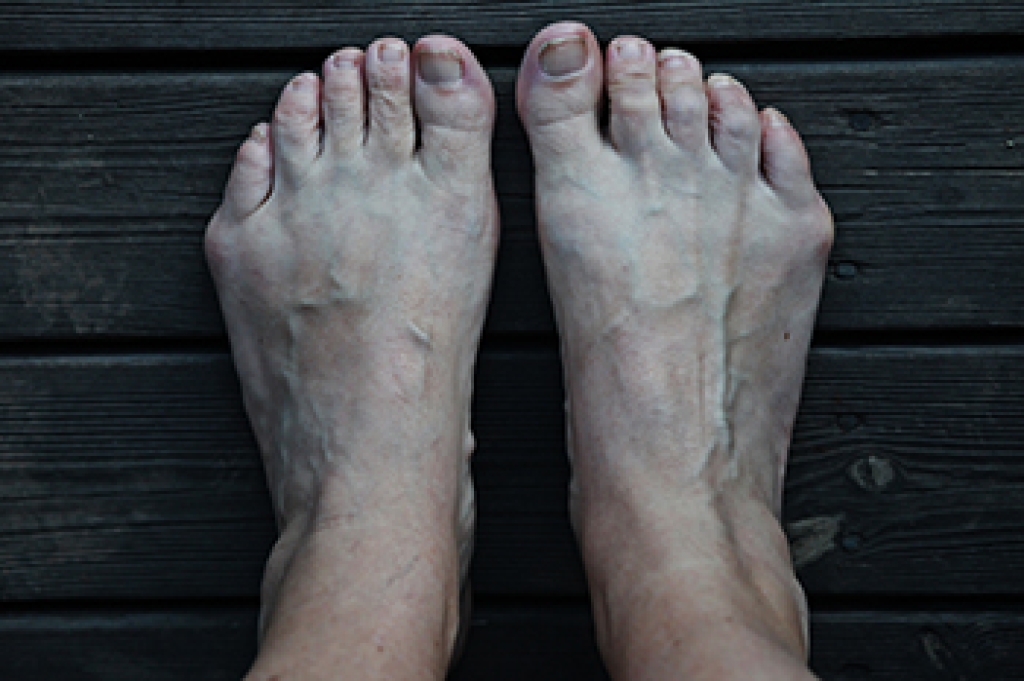
How a Tailor’s Bunion Can Affect Daily Life

A tailor’s bunion, which forms on the outer side of the foot near the little toe, can interfere with comfort and mobility more than many people expect. As the area becomes irritated or swollen, wearing regular shoes may feel increasingly difficult, leading to constant friction and aching during routine activities. People often change the way they walk to avoid pressure, which can create new problems in the ankles, knees, or back. Social activities, exercise, and even short errands may feel limited when every step causes discomfort. Sleep can also be disrupted if the area remains sore at night. With proper evaluation, treatment such as footwear adjustments, padding, orthotics, or targeted care can reduce symptoms and improve function. It is suggested that you see a podiatrist if a tailor’s bunion is affecting your comfort or quality of life.

If you are suffering from bunions, contact Wendy L. Grossman, DPM of New Jersey. Our doctor can provide the care you need to keep you pain-free and on your feet.

What Is a Bunion?

A bunion is formed of swollen tissue or an enlargement of boney growth, usually located at the base joint of the toe that connects to the foot. The swelling occurs due to the bones in the big toe shifting inward, which impacts the other toes of the foot. This causes the area around the base of the big toe to become inflamed and painful.

Why Do Bunions Form?

Genetics – Susceptibility to bunions are often hereditary

Stress on the feet – Poorly fitted and uncomfortable footwear that places stress on feet, such as heels, can worsen existing bunions

How Are Bunions Diagnosed?

Podiatrists often perform two tests – blood tests and x-rays – when trying to diagnose bunions, especially in the early stages of development. Blood tests help determine if the foot pain is being caused by something else, such as arthritis, while x-rays provide a clear picture of your bone structure to your provider.

How Are Bunions Treated?

  • Refrain from wearing heels or similar shoes that cause discomfort
  • Select wider shoes that can provide more comfort and reduce pain
  • Anti-inflammatory and pain management drugs
  • Orthotics or foot inserts
  • Surgery

If you have any questions, please feel free to contact our office located in Bloomfield, NJ . We offer the newest diagnostic and treatment technologies for all your foot care needs.
Read more about Bunions

Are Bunions Affecting Your Everyday Life?

Have you noticed a bony protrusion on the side of your big toe? If so, you may have developed the foot condition known as a bunion. Don't let bunions interfere with your daily activities.

Children’s Intoeing Care

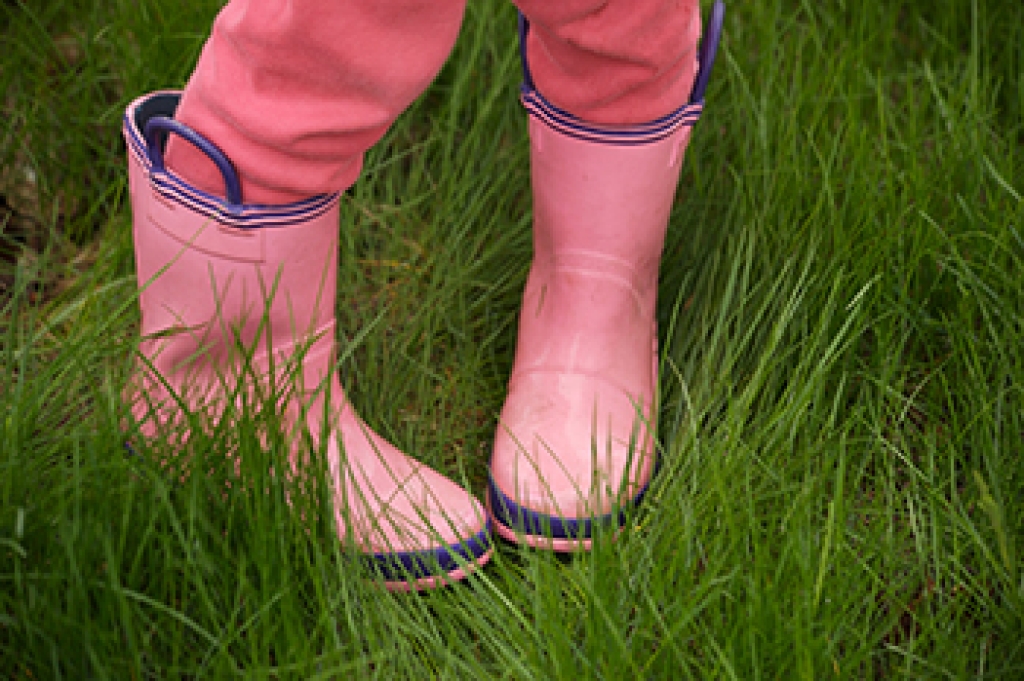
Children’s foot deformities are common and often noticed as a child begins to walk or becomes more active. Intoeing is a condition where the feet turn inward while walking, which may come from the hips, legs, or feet. Causes can include developmental changes, muscle imbalance, or inherited foot structure. Symptoms may involve frequent tripping, awkward walking patterns, uneven shoe wear, or leg fatigue during play. While many children outgrow intoeing, some cases may benefit from professional evaluation. A podiatrist can help by assessing gait, foot alignment, and growth patterns to determine the cause and severity. Treatment may include monitoring, stretching exercises, wearing supportive footwear, or custom orthotics to guide proper foot position. If you notice your child walking with their feet turned inward or having difficulty keeping up with activities, it is suggested that you schedule a podiatry consultation to ensure proper foot development and confident movement.

The health of a child’s feet is vital to their overall well-being. If you have any questions regarding foot health, contact Wendy L. Grossman, DPM of New Jersey. Our doctor can provide the care you need to keep you pain-free and on your feet.

Tips for Keeping Children's Feet Healthy

  • Make sure their shoes fit properly
  • Look for any signs of in-toeing or out-toeing
  • Check to see if they have Clubfoot (condition that affects your child’s foot and ankle, twisting the heel and toes inward) which is one of the most common nonmajor birth defects.
  • Lightly cover your baby’s feet (Tight covers may keep your baby from moving their feet freely, and could prevent normal development)
  • Allow your toddler to go shoeless (Shoes can be restricting for a young child’s foot)
  • Cut toenails straight across to avoid ingrown toenails
  • Keep your child’s foot clean and dry
  • Cover cuts and scrapes. Wash any scratches with soap and water and cover them with a bandage until they’ve healed.

If you have any questions, please feel free to contact our office located in Bloomfield, NJ . We offer the newest diagnostic and treatment technologies for all your foot care needs.
Read more about How to Care for Your Child's Feet

Sever's Disease and How to Support Growing Feet

Sever's disease is a common cause of heel pain in growing children and occurs when the growth plate in the heel becomes irritated from repeated stress. This condition often appears during growth spurts when bones, muscles, and tendons develop at different rates. Symptoms may include heel pain, limping, tenderness, and tight calf muscles that increase discomfort during activity. Risk factors include high impact sports, poor foot mechanics, and wearing inadequate footwear. Causes often relate to overuse, sudden increases in activity, or tight muscles pulling on the heel. A podiatrist can evaluate foot structure, recommend stretching routines, provide supportive footwear guidance, and offer treatments that reduce strain on the heel. If your active child has heel pain or is limping, it is suggested that you consult a podiatrist who can accurately diagnose and treat what may be going on. 

Sever's disease often occurs in children and teens. If your child is experiencing foot or ankle pain, see Wendy L. Grossman, DPM from New Jersey. Our doctor can treat your child’s foot and ankle needs.

Sever’s Disease

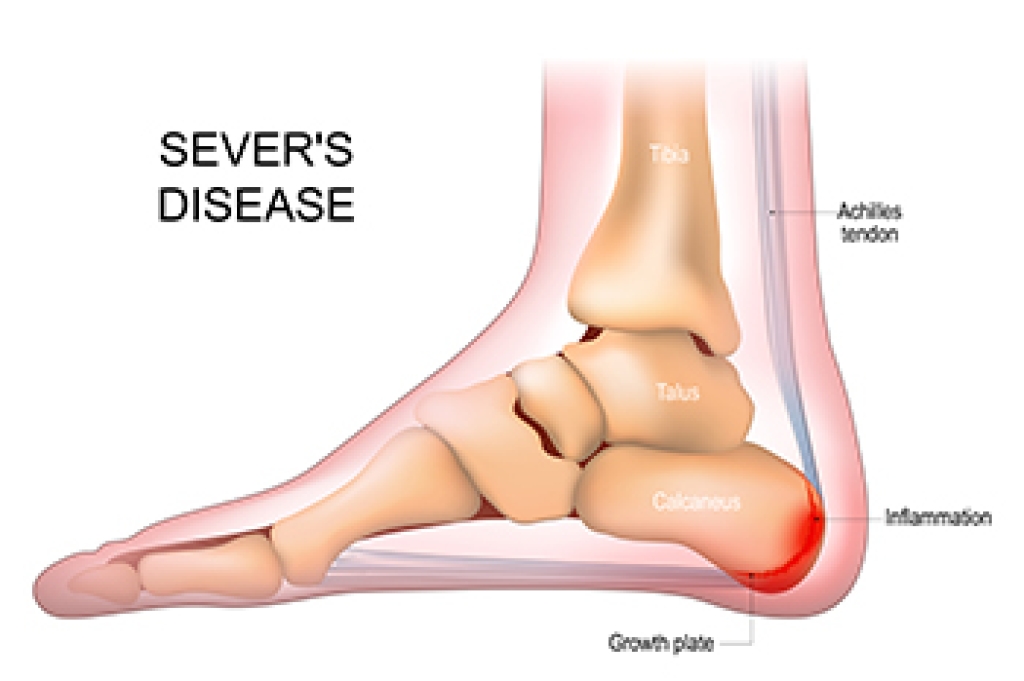
Sever’s disease is also known as calcaneal apophysitis, which is a medical condition that causes heel pain I none or both feet. The disease is known to affect children between the ages of 8 and 14.

Sever’s disease occurs when part of the child’s heel known as the growth plate (calcaneal epiphysis) is attached to the Achilles tendon. This area can suffer injury when the muscles and tendons of the growing foot do not keep pace with bone growth. Therefore, the constant pain which one experiences at the back of the heel will make the child unable to put any weight on the heel. The child is then forced to walk on their toes.

Symptoms

Acute pain – Pain associated with Sever’s disease is usually felt in the heel when the child engages in physical activity such as walking, jumping and or running.

Highly active – Children who are very active are among the most susceptible in experiencing Sever’s disease, because of the stress and tension placed on their feet.

If you have any questions, please feel free to contact our office located in Bloomfield, NJ . We offer the newest diagnostic and treatment technologies for all your foot care needs.
Read more about Sever's Disease

Why Skiing Can Cause Foot Pain

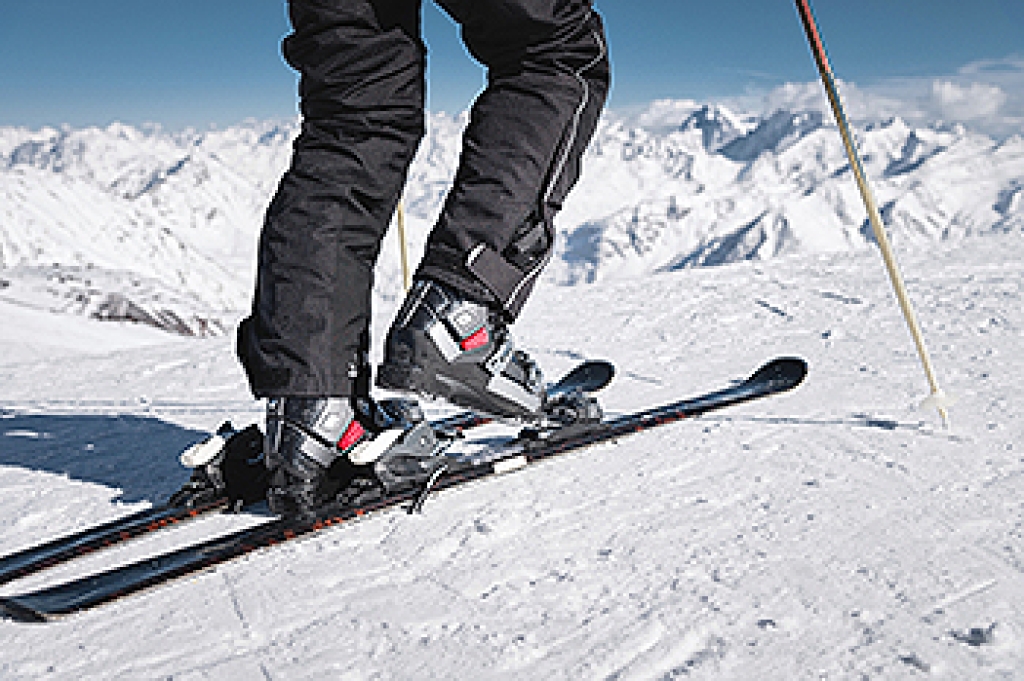
Foot pain while skiing is common and often linked to the fit and function of your ski boots. Boots that are too big allow the foot to move excessively, which can lead to friction and painful blisters. When boots are too small, they compress the foot and limit circulation, creating pressure points and discomfort that can quickly ruin your time on the slopes. Hard turns, cold temperatures, and improper foot alignment can also add stress to the arches, heels, and toes. A podiatrist can assess your foot structure, identify pressure areas, and recommend custom orthotics or proper boot fitting strategies to enhance comfort and control. If foot pain is holding you back from enjoying skiing, it is suggested that you schedule a visit with a podiatrist for expert guidance and relief.

Foot Pain

Foot pain can be extremely painful and debilitating. If you have a foot pain, consult with Wendy L. Grossman, DPM  from New Jersey. Our doctor will assess your condition and provide you with quality foot and ankle treatment.

Causes

Foot pain is a very broad condition that could be caused by one or more ailments. The most common include:

  • Bunions
  • Hammertoes
  • Plantar Fasciitis
  • Bone Spurs
  • Corns
  • Tarsal Tunnel Syndrome
  • Ingrown Toenails
  • Arthritis (such as Gout, Rheumatoid, and Osteoarthritis)
  • Flat Feet
  • Injury (from stress fractures, broken toe, foot, ankle, Achilles tendon ruptures, and sprains)
  • And more

Diagnosis

To figure out the cause of foot pain, podiatrists utilize several different methods. This can range from simple visual inspections and sensation tests to X-rays and MRI scans. Prior medical history, family medical history, and any recent physical traumatic events will all be taken into consideration for a proper diagnosis.

Treatment

Treatment depends upon the cause of the foot pain. Whether it is resting, staying off the foot, or having surgery; podiatrists have a number of treatment options available for foot pain.

If you have any questions, please feel free to contact our office located in Bloomfield, NJ . We offer the newest diagnostic and treatment technologies for all your foot care needs.

Read more about Foot Pain

Connect With Us