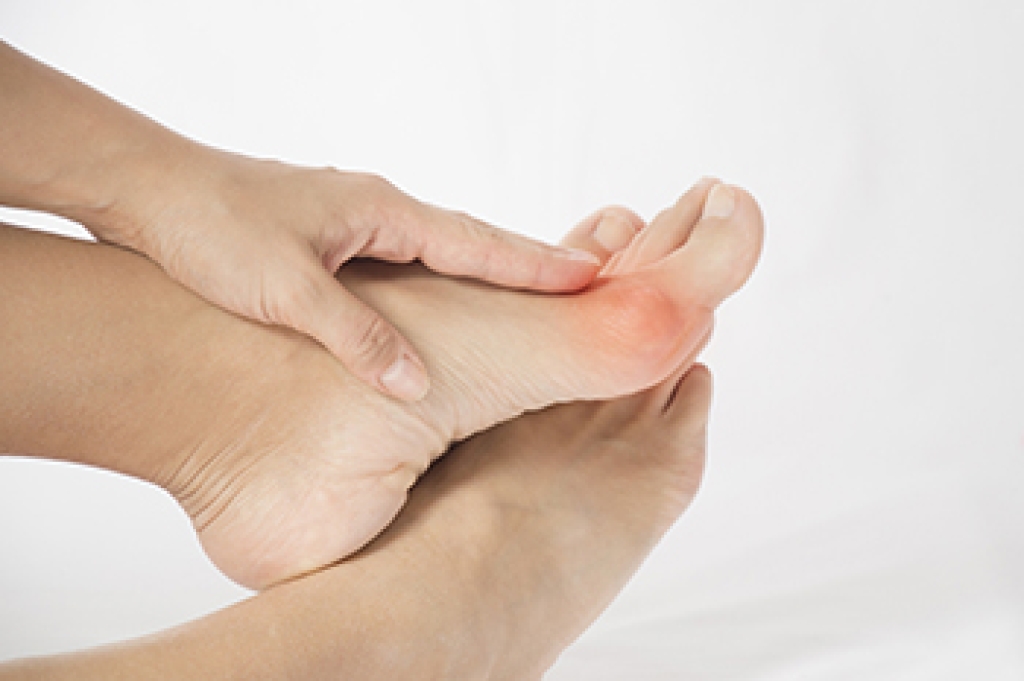
How Can I Prevent a Bunion?

Bunions are a particular kind of bony bump that can form on the outside of the joint of the big toe or small pinky toe. It is important to note that some types of bunions can cause pain in individuals, while others do not. In this sense, a bunion can be a cosmetic issue for some patients. There are several steps that a patient can consider taking to prevent the formation of bunions. For example, an individual can be mindful of the shoes that they are wearing. Particularly tight shoes can lead to bunions developing. Instead, an individual can be sure to wear shoes that are spacious and comfortable. Secondly, an individual might be able to prevent the development of bunions by doing what they can to stop overpronation. Importantly, overpronation can occur when the foot rolls inward. Orthotics may be used to correct this. If you are someone that is struggling with bunions, it is suggested that you contact a podiatrist today for treatment. 

If you are suffering from bunions, contact Wendy L. Grossman, DPM of New Jersey. Our doctor can provide the care you need to keep you pain-free and on your feet.

What Is a Bunion?

A bunion is formed of swollen tissue or an enlargement of boney growth, usually located at the base joint of the toe that connects to the foot. The swelling occurs due to the bones in the big toe shifting inward, which impacts the other toes of the foot. This causes the area around the base of the big toe to become inflamed and painful.

Why Do Bunions Form?

Genetics – Susceptibility to bunions are often hereditary

Stress on the feet – Poorly fitted and uncomfortable footwear that places stress on feet, such as heels, can worsen existing bunions

How Are Bunions Diagnosed?

Podiatrists often perform two tests – blood tests and x-rays – when trying to diagnose bunions, especially in the early stages of development. Blood tests help determine if the foot pain is being caused by something else, such as arthritis, while x-rays provide a clear picture of your bone structure to your provider.

How Are Bunions Treated?

  • Refrain from wearing heels or similar shoes that cause discomfort
  • Select wider shoes that can provide more comfort and reduce pain
  • Anti-inflammatory and pain management drugs
  • Orthotics or foot inserts
  • Surgery

If you have any questions, please feel free to contact our office located in Bloomfield, NJ . We offer the newest diagnostic and treatment technologies for all your foot care needs.
Read more about Bunions

Get Professional Care for a Broken Foot or Ankle

Constant care and regular evaluation are important for a foot or ankle fracture. If left untreated, foot or ankle fractures can worsen over time and create more serious problems.

Don't wait to be examined if you believe you've experienced a foot or ankle fracture.

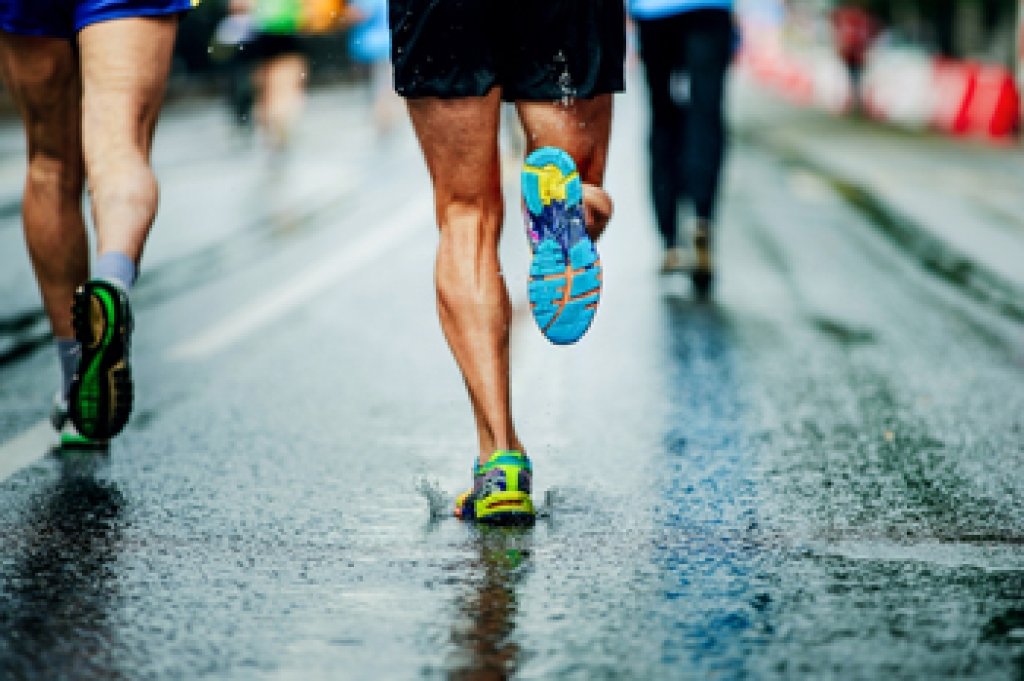
Drinking Water and Stretching May Help to Prevent Running Injuries

Preventing injuries to the feet is an important part of the running routine. Avid runners often know the importance of tracking their shoes’ mileage, and many will have at least two pairs. The average running shoe is replaced between 300 and 500 miles and may vary with individual gaits, or running styles. It is beneficial to properly warm up and cool down before and after running. Dynamic stretching, consisting of side shuffles, walking, and lunges are done before running, and static stretches can be done after the run. These are stretches that target the glutes, calves, and hamstrings and are beneficial in keeping the body loose. Muscle cramps may be prevented by drinking plenty of water before, during, and after running.  On the days when the body is resting from running, many people choose to add a full-body workout, which is an effective way of building muscular endurance. If you would like additional information about how running injuries can affect the feet and how to prevent them, it is suggested that you confer with a podiatrist. 

All runners should take extra precaution when trying to avoid injury. If you have any concerns about your feet, contact Wendy L. Grossman, DPM of New Jersey. Our doctor will treat your foot and ankle needs.

How to Prevent Running Injuries

There are a lot of mistakes a runner can make prior to a workout that can induce injury. A lot of athletes tend to overstretch before running, instead of saving those workouts for a post-run routine. Deep lunges and hand-to-toe hamstring pulls should be performed after a workout instead of during a warmup. Another common mistake is jumping into an intense routine before your body is physically prepared for it. You should try to ease your way into long-distance running instead of forcing yourself to rush into it.

More Tips for Preventing Injury

  • Incorporate Strength Training into Workouts - This will help improve the body’s overall athleticism
  • Improve and Maintain Your Flexibility – Stretching everyday will help improve overall performance
  • “Warm Up” Before Running and “Cool Down” Afterward – A warm up of 5-10 minutes helps get rid of lactic acid in the muscles and prevents delayed muscle soreness
  • Cross-Training is Crucial
  • Wear Proper Running Shoes
  • Have a Formal Gait Analysis – Poor biomechanics can easily cause injury

If you have any questions, please feel free to contact our office located in Bloomfield, NJ . We offer the newest diagnostic and treatment technologies for all your foot care needs.
Read more about How to Prevent Running Injuries

Do I Have Gout?

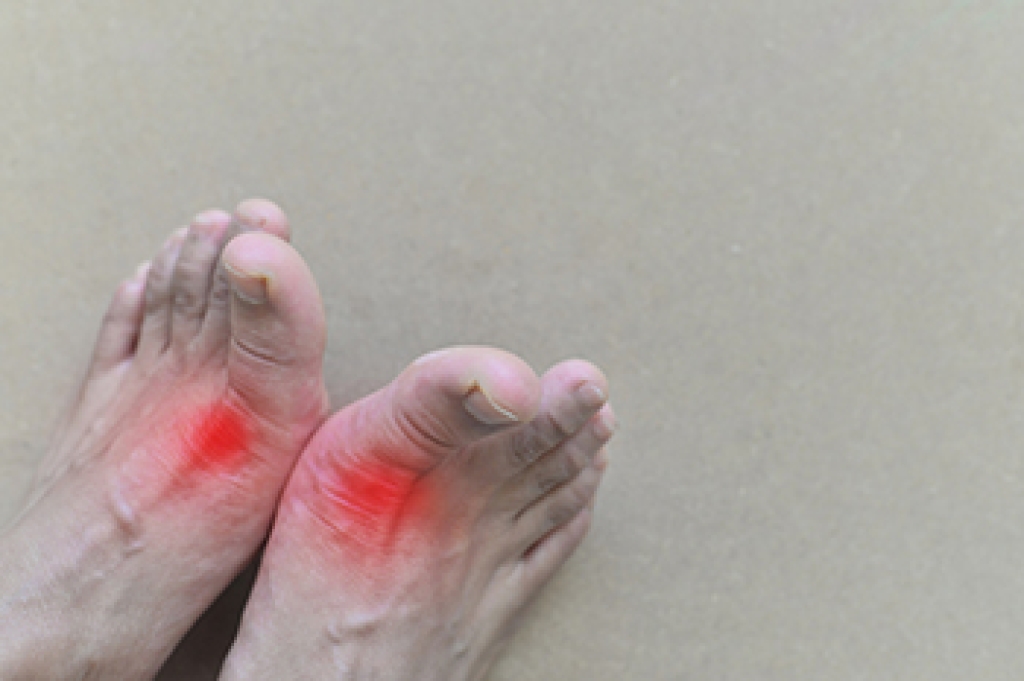
If you have experienced sudden pain in the big toe and it is accompanied by swelling, you may have gout. This is especially likely if you have been ill or sustained a recent injury. Gout is a type of inflammatory arthritis that results in a buildup of uric acid in the blood. Uric acid is a chemical naturally produced by the body that helps break down foods containing purines. Once this happens, uric acid and purines are both released from the body through urine. If uric acid is not released from the body, it can build up and turn into urate crystals, which can settle in soft tissues and joints. This in turn can turn into inflammation or gout. Gout is more common in men and is often hereditary. It is also more common among those who eat foods that are high in purines or have other conditions, like high cholesterol, high blood pressure, or diabetes. Gout can affect other parts of the body but often presents itself as pain in the big toe. If this description fits you, it is suggested that you see a podiatrist so that you can get this condition under control in a timely manner.

Gout is a foot condition that requires certain treatment and care. If you are seeking treatment, contact Wendy L. Grossman, DPM from New Jersey. Our doctor will treat your foot and ankle needs.

What Is Gout?

Gout is a type of arthritis caused by a buildup of uric acid in the bloodstream. It often develops in the foot, especially the big toe area, although it can manifest in other parts of the body as well. Gout can make walking and standing very painful and is especially common in diabetics and the obese.

People typically get gout because of a poor diet. Genetic predisposition is also a factor. The children of parents who have had gout frequently have a chance of developing it themselves.

Gout can easily be identified by redness and inflammation of the big toe and the surrounding areas of the foot. Other symptoms include extreme fatigue, joint pain, and running high fevers. Sometimes corticosteroid drugs can be prescribed to treat gout, but the best way to combat this disease is to get more exercise and eat a better diet.

If you have any questions, please feel free to contact our office located in Bloomfield, NJ . We offer the newest diagnostic and treatment technologies for all your foot care needs.
Read more about Gout

Everyday Foot Care Is Often Overlooked

The feet are the foundation of the body and carry all our weight. While the feet are one of the most important parts of the body to provide proper care for, they are often overlooked. Everyday foot care begins with washing and drying the feet, followed by applying a good moisturizer. It is important to trim the toenails correctly and this may help to prevent an ingrown toenail from developing. Some patients enjoy soaking their feet in Epsom salt. Soaking the feet can help to exfoliate dead skin, which may aid in the prevention of cracked heels. Additionally, many people avoid taking excessively hot showers to help maintain elasticity in the skin. Foot creams can be beneficial at night to protect the heels and moisturize the skin while sleeping. If you would like more information about effective everyday foot care routines, it is suggested that you speak with a podiatrist. 

Everyday foot care is very important to prevent infection and other foot ailments. If you need your feet checked, contact Wendy L. Grossman, DPM from New Jersey. Our doctor can provide the care you need to keep you pain-free and on your feet.

Everyday Foot Care

Often, people take care of their bodies, face and hair more so than they do for their feet. But the feet are a very important aspect of our bodies, and one that we should pay more attention to. Without our feet, we would not be able to perform most daily tasks.

It is best to check your feet regularly to make sure there are no new bruises or cuts that you may not have noticed before. For dry feet, moisturizer can easily be a remedy and can be applied as often as necessary to the affected areas. Wearing shoes that fit well can also help you maintain good foot health, as well as making it easier to walk and do daily activities without the stress or pain of ill-fitting shoes, high heels, or even flip flops. Wearing clean socks with closed shoes is important to ensure that sweat and bacteria do not accumulate within the shoe. Clean socks help to prevent Athlete’s foot, fungi problems, bad odors, and can absorb sweat.

If you have any questions, please feel free to contact our office located in Bloomfield, NJ . We offer the newest diagnostic and treatment technologies for all your foot care needs.

Read more about Every Day Foot Care

Connect With Us