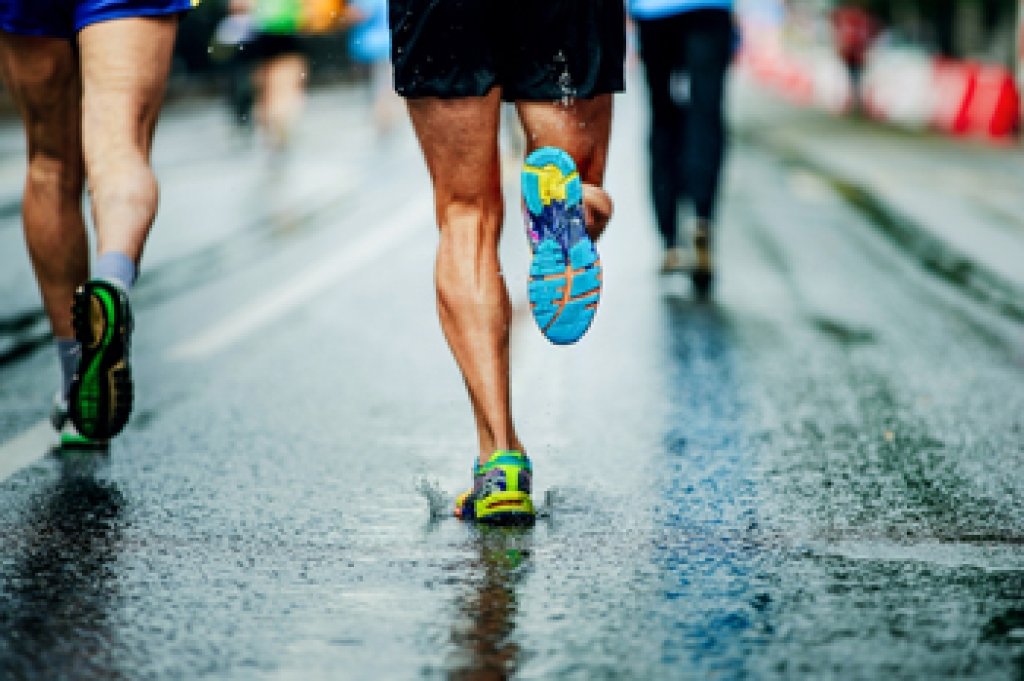
Drinking Water and Stretching May Help to Prevent Running Injuries

Preventing injuries to the feet is an important part of the running routine. Avid runners often know the importance of tracking their shoes’ mileage, and many will have at least two pairs. The average running shoe is replaced between 300 and 500 miles and may vary with individual gaits, or running styles. It is beneficial to properly warm up and cool down before and after running. Dynamic stretching, consisting of side shuffles, walking, and lunges are done before running, and static stretches can be done after the run. These are stretches that target the glutes, calves, and hamstrings and are beneficial in keeping the body loose. Muscle cramps may be prevented by drinking plenty of water before, during, and after running.  On the days when the body is resting from running, many people choose to add a full-body workout, which is an effective way of building muscular endurance. If you would like additional information about how running injuries can affect the feet and how to prevent them, it is suggested that you confer with a podiatrist. 

All runners should take extra precaution when trying to avoid injury. If you have any concerns about your feet, contact Wendy L. Grossman, DPM of New Jersey. Our doctor will treat your foot and ankle needs.

How to Prevent Running Injuries

There are a lot of mistakes a runner can make prior to a workout that can induce injury. A lot of athletes tend to overstretch before running, instead of saving those workouts for a post-run routine. Deep lunges and hand-to-toe hamstring pulls should be performed after a workout instead of during a warmup. Another common mistake is jumping into an intense routine before your body is physically prepared for it. You should try to ease your way into long-distance running instead of forcing yourself to rush into it.

More Tips for Preventing Injury

  • Incorporate Strength Training into Workouts - This will help improve the body’s overall athleticism
  • Improve and Maintain Your Flexibility – Stretching everyday will help improve overall performance
  • “Warm Up” Before Running and “Cool Down” Afterward – A warm up of 5-10 minutes helps get rid of lactic acid in the muscles and prevents delayed muscle soreness
  • Cross-Training is Crucial
  • Wear Proper Running Shoes
  • Have a Formal Gait Analysis – Poor biomechanics can easily cause injury

If you have any questions, please feel free to contact our office located in Bloomfield, NJ . We offer the newest diagnostic and treatment technologies for all your foot care needs.
Read more about How to Prevent Running Injuries

Do I Have Gout?

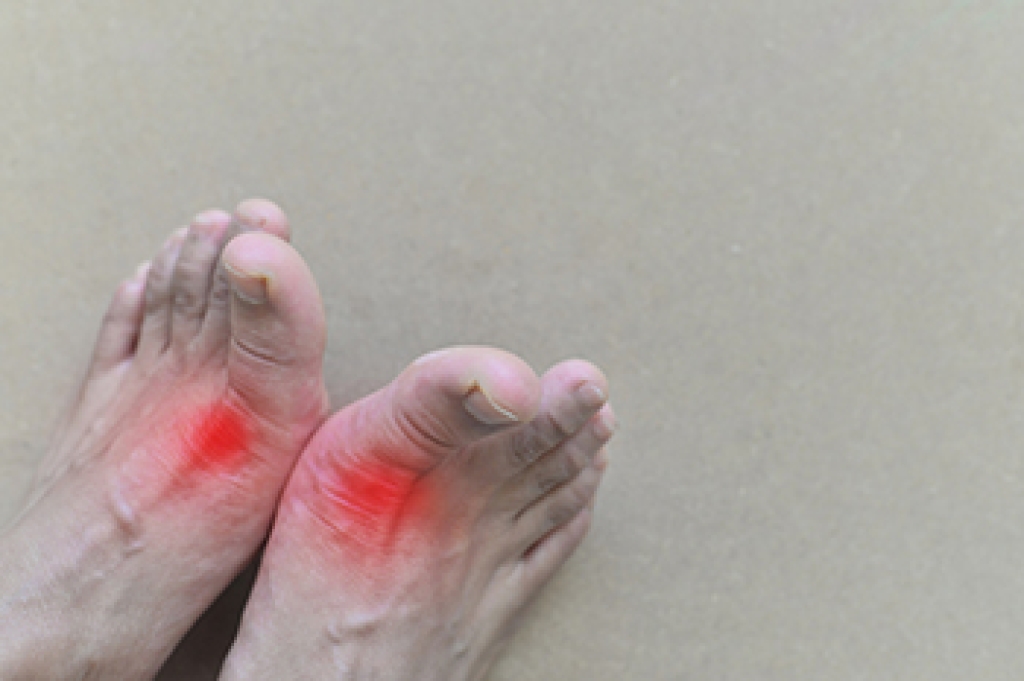
If you have experienced sudden pain in the big toe and it is accompanied by swelling, you may have gout. This is especially likely if you have been ill or sustained a recent injury. Gout is a type of inflammatory arthritis that results in a buildup of uric acid in the blood. Uric acid is a chemical naturally produced by the body that helps break down foods containing purines. Once this happens, uric acid and purines are both released from the body through urine. If uric acid is not released from the body, it can build up and turn into urate crystals, which can settle in soft tissues and joints. This in turn can turn into inflammation or gout. Gout is more common in men and is often hereditary. It is also more common among those who eat foods that are high in purines or have other conditions, like high cholesterol, high blood pressure, or diabetes. Gout can affect other parts of the body but often presents itself as pain in the big toe. If this description fits you, it is suggested that you see a podiatrist so that you can get this condition under control in a timely manner.

Gout is a foot condition that requires certain treatment and care. If you are seeking treatment, contact Wendy L. Grossman, DPM from New Jersey. Our doctor will treat your foot and ankle needs.

What Is Gout?

Gout is a type of arthritis caused by a buildup of uric acid in the bloodstream. It often develops in the foot, especially the big toe area, although it can manifest in other parts of the body as well. Gout can make walking and standing very painful and is especially common in diabetics and the obese.

People typically get gout because of a poor diet. Genetic predisposition is also a factor. The children of parents who have had gout frequently have a chance of developing it themselves.

Gout can easily be identified by redness and inflammation of the big toe and the surrounding areas of the foot. Other symptoms include extreme fatigue, joint pain, and running high fevers. Sometimes corticosteroid drugs can be prescribed to treat gout, but the best way to combat this disease is to get more exercise and eat a better diet.

If you have any questions, please feel free to contact our office located in Bloomfield, NJ . We offer the newest diagnostic and treatment technologies for all your foot care needs.
Read more about Gout

Everyday Foot Care Is Often Overlooked

The feet are the foundation of the body and carry all our weight. While the feet are one of the most important parts of the body to provide proper care for, they are often overlooked. Everyday foot care begins with washing and drying the feet, followed by applying a good moisturizer. It is important to trim the toenails correctly and this may help to prevent an ingrown toenail from developing. Some patients enjoy soaking their feet in Epsom salt. Soaking the feet can help to exfoliate dead skin, which may aid in the prevention of cracked heels. Additionally, many people avoid taking excessively hot showers to help maintain elasticity in the skin. Foot creams can be beneficial at night to protect the heels and moisturize the skin while sleeping. If you would like more information about effective everyday foot care routines, it is suggested that you speak with a podiatrist. 

Everyday foot care is very important to prevent infection and other foot ailments. If you need your feet checked, contact Wendy L. Grossman, DPM from New Jersey. Our doctor can provide the care you need to keep you pain-free and on your feet.

Everyday Foot Care

Often, people take care of their bodies, face and hair more so than they do for their feet. But the feet are a very important aspect of our bodies, and one that we should pay more attention to. Without our feet, we would not be able to perform most daily tasks.

It is best to check your feet regularly to make sure there are no new bruises or cuts that you may not have noticed before. For dry feet, moisturizer can easily be a remedy and can be applied as often as necessary to the affected areas. Wearing shoes that fit well can also help you maintain good foot health, as well as making it easier to walk and do daily activities without the stress or pain of ill-fitting shoes, high heels, or even flip flops. Wearing clean socks with closed shoes is important to ensure that sweat and bacteria do not accumulate within the shoe. Clean socks help to prevent Athlete’s foot, fungi problems, bad odors, and can absorb sweat.

If you have any questions, please feel free to contact our office located in Bloomfield, NJ . We offer the newest diagnostic and treatment technologies for all your foot care needs.
Read more about Every Day Foot Care

Causes and Symptoms of an Ingrown Toenail

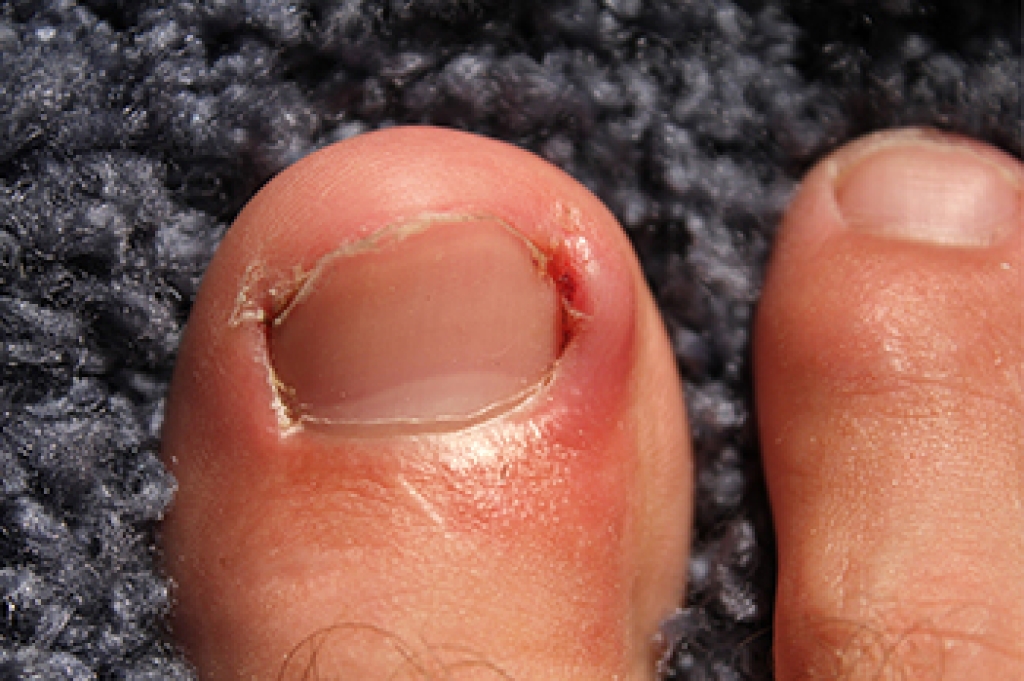
There is no mistaking the pain from an ingrown toenail. The big toe is typically affected, and it can be difficult to wear shoes. An ingrown toenail can develop when it grows into the skin instead of over it, and the pain can cause prompt medical attention to be sought. Symptoms that are associated with an ingrown toenail can include severe tenderness, swelling, and the toe may become red. The most common reason to develop this ailment is from wearing shoes that are too tight, followed by trimming the nails incorrectly. Additionally, it may happen from a toe injury, or if the nails are naturally curved. Soaking the affected foot in warm water may temporarily bring mild relief. This often makes it easier to push the nail away from the skin using a piece of cotton. Ingrown toenails can become infected. It is suggested that you consult with a podiatrist who can effectively treat this condition before it becomes more serious. 

Ingrown toenails can become painful if they are not treated properly. For more information about ingrown toenails, contact Wendy L. Grossman, DPM of New Jersey. Our doctor can provide the care you need to keep you pain-free and on your feet.

Ingrown Toenails

Ingrown toenails occur when a toenail grows sideways into the bed of the nail, causing pain, swelling, and possibly infection.

Causes

  • Bacterial infections
  • Improper nail cutting such as cutting it too short or not straight across
  • Trauma to the toe, such as stubbing, which causes the nail to grow back irregularly
  • Ill-fitting shoes that bunch the toes too close together
  • Genetic predisposition

Prevention

Because ingrown toenails are not something found outside of shoe-wearing cultures, going barefoot as often as possible will decrease the likeliness of developing ingrown toenails. Wearing proper fitting shoes and using proper cutting techniques will also help decrease your risk of developing ingrown toenails.

Treatment

Ingrown toenails are a very treatable foot condition. In minor cases, soaking the affected area in salt or antibacterial soaps will not only help with the ingrown nail itself, but also help prevent any infections from occurring. In more severe cases, surgery is an option. In either case, speaking to your podiatrist about this condition will help you get a better understanding of specific treatment options that are right for you.

If you have any questions, please feel free to contact our office located in Bloomfield, NJ . We offer the newest diagnostic and treatment technologies for all your foot care needs.

Read more about Ingrown Toenails

Pickleball Injuries to the Feet on the Rise

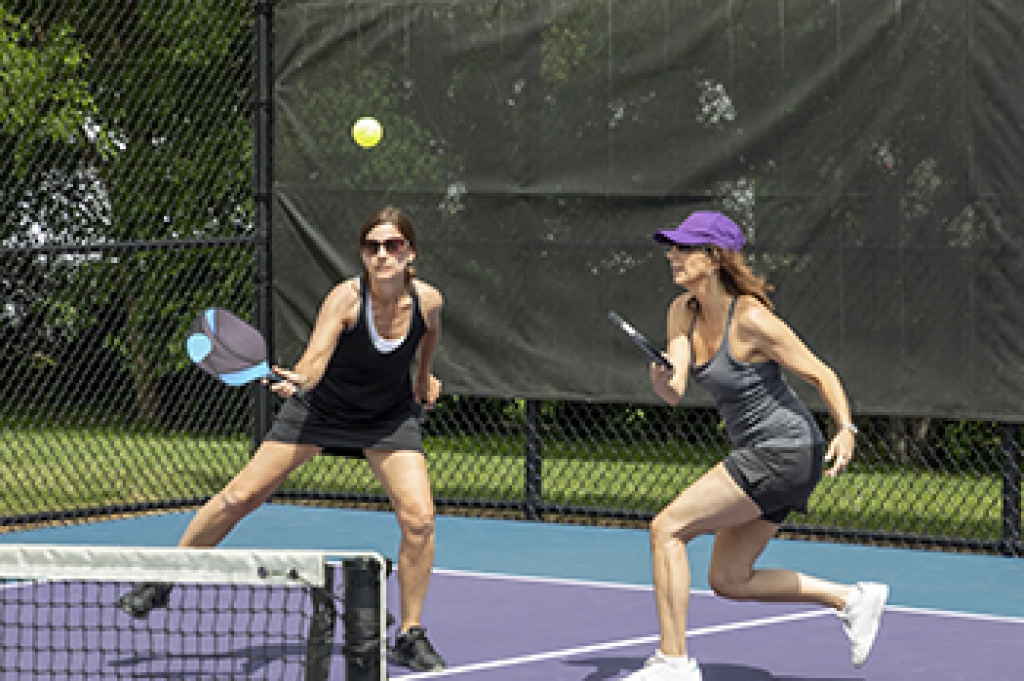
Pickleball has increased in popularity, and because of that, injuries related to this sport are on the rise. Pickleball is played on a small court with paddles and a perforated plastic ball. It calls for a lot of stop-and-start motions and bursts of energy. This increases the risk of injuries like ankle sprains, falls, and Achilles tendon strains. Because of the speed and force involved in pickleball games, many players develop plantar fasciitis, which is an overuse injury that causes inflammation of the band of tissue on the sole of the foot. Bruising of the heels is common, as are blisters on the feet. Proper footwear is an important way to limit both acute and chronic foot or ankle injuries caused by pickleball. Experts have recommended using cross training shoes, rather than running shoes, to improve the stability needed for rapid side-to-side movements. An ankle brace with straps or laces can also be used. It is also a good idea to warm up before starting a pickleball game and to rest if you experience pain. Custom orthotics may be needed for additional support. For more information about dealing with foot pain from pickleball, it is suggested that you consult a podiatrist.

Sports related foot and ankle injuries require proper treatment before players can go back to their regular routines. For more information, contact Wendy L. Grossman, DPM of New Jersey. Our doctor can provide the care you need to keep you pain-free and on your feet.

Sports Related Foot and Ankle Injuries

Foot and ankle injuries are a common occurrence when it comes to athletes of any sport. While many athletes dismiss the initial aches and pains, the truth is that ignoring potential foot and ankle injuries can lead to serious problems. As athletes continue to place pressure and strain the area further, a mild injury can turn into something as serious as a rupture and may lead to a permanent disability. There are many factors that contribute to sports related foot and ankle injuries, which include failure to warm up properly, not providing support or wearing bad footwear. Common injuries and conditions athletes face, including:

  • Plantar Fasciitis
  • Achilles Tendinitis
  • Achilles Tendon Rupture
  • Ankle Sprains

Sports related injuries are commonly treated using the RICE method. This includes rest, applying ice to the injured area, compression and elevating the ankle. More serious sprains and injuries may require surgery, which could include arthroscopic and reconstructive surgery. Rehabilitation and therapy may also be required in order to get any recovering athlete to become fully functional again. Any unusual aches and pains an athlete sustains must be evaluated by a licensed, reputable medical professional.

If you have any questions please contact our office located in Bloomfield, NJ . We offer the newest diagnostic and treatment technologies for all your foot and ankle needs.

Read more about Sports Related Foot And Ankle Injuries

Connect With Us