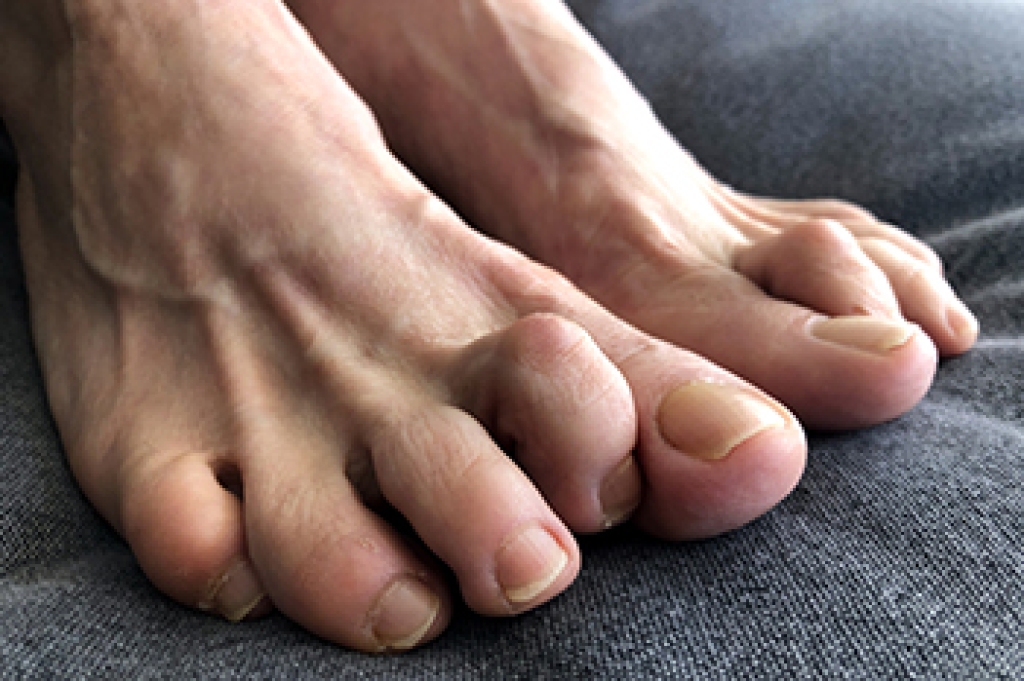
Surgery May Be Necessary for Hammertoe Recovery

It’s easy to spot a person who has a hammertoe. It is a foot condition that is considered to be a deformity, and it is characterized by the middle toe that bends downward, forcing the joints up. It can be caused by various things, including wearing shoes that do not have ample room for the toes to move freely in or from medical conditions such as arthritis. This condition may also develop for genetic reasons, and surgery may be necessary so the toes can be permanently straightened. If the toes are severely bent, corns may develop where the joint touches the shoe, and this can cause additional discomfort. Specific types of shoes may need to be purchased to accommodate the deformed toes, and this may prompt patients to seek medical advice. If you are afflicted with hammertoe, it is strongly urged that you contact a podiatrist who can help you to remedy this condition. 

Hammertoes can be a painful condition to live with. For more information, contact Wendy L. Grossman, DPM of New Jersey. Our doctor will answer any of your foot- and ankle-related questions.

Hammertoe

Hammertoe is a foot deformity that occurs due to an imbalance in the muscles, tendons, or ligaments that normally hold the toe straight. It can be caused by the type of shoes you wear, your foot structure, trauma, and certain disease processes.

Symptoms

  • Painful and/or difficult toe movement
  • Swelling
  • Joint stiffness
  • Calluses/Corns
  • Physical deformity

Risk Factors

  • Age – The risk of hammertoe increases with age
  • Sex – Women are more likely to have hammertoe compared to men
  • Toe Length – You are more likely to develop hammertoe if your second toe is longer than your big toe
  • Certain Diseases – Arthritis and diabetes may make you more likely to develop hammertoe

Treatment

If you have hammertoe, you should change into a more comfortable shoe that provides enough room for your toes. Exercises such as picking up marbles may strengthen and stretch your toe muscles. Nevertheless, it is important to seek assistance from a podiatrist in order to determine the severity of your hammertoe and see which treatment option will work best for you.

If you have any questions, please feel free to contact our office located in Bloomfield, NJ . We offer the newest diagnostic and treatment technologies for all your foot care needs.

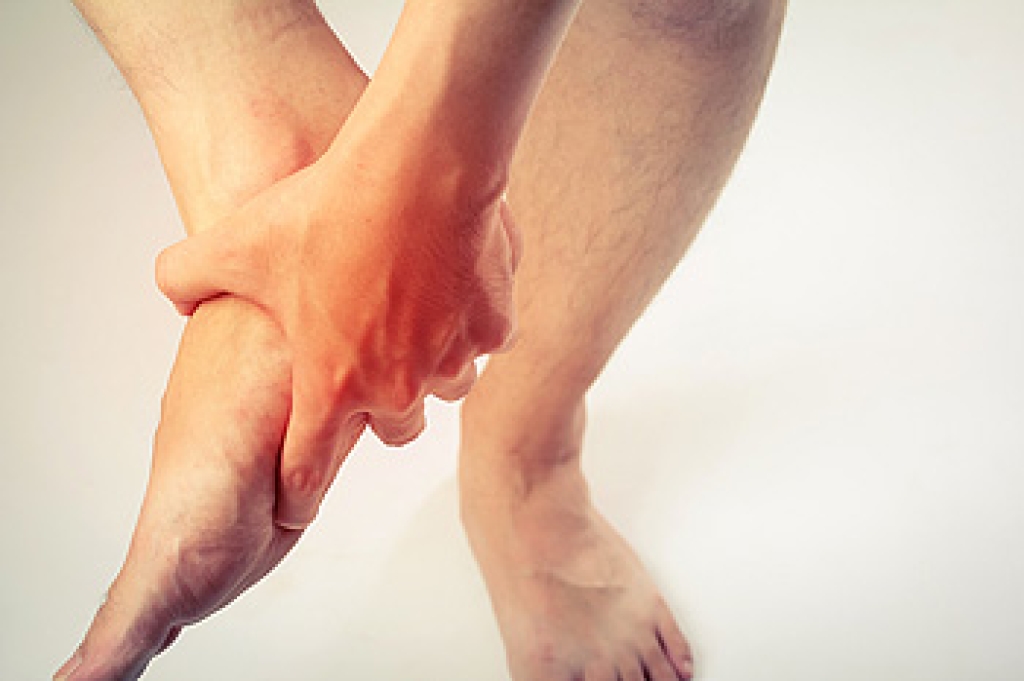
Read more about Hammertoe

Ankle Fracture? Don’t Wait for Treatment

If you're suffering from an ankle fracture, professional attention shouldn't wait. Fractures may worsen over time and can make completing everyday activities incredibly difficult. See your specialist for treatment and guidance through the healing process. 

History of Plantar Fasciitis

Plantar fasciitis is one of the most widespread afflictions of the foot that primarily affects the plantar fascia. It occurs when this part of the foot becomes aggravated and inflamed. Plantar fasciitis has an interesting history which may be helpful in knowing to learn more about this ailment. The condition was first described in the year 1812 by a man named Wood. Wood attributed the condition to tuberculosis at the time. Over the years, plantar fasciitis has gone by different names. For example, it has sometimes been called painful heel syndrome or subcalcaneal pain. As time progressed and the field of podiatry developed, modern science learned more about plantar fasciitis. Today, it is one of the most common conditions that modern podiatrists are trained in identifying and treating. If you believe that you may have plantar fasciitis, contact a podiatrist today.

Plantar fasciitis can be very painful and inconvenient. If you are experiencing heel pain or symptoms of plantar fasciitis, contact Wendy L. Grossman, DPM  from New Jersey. Our doctor can provide the care you need to keep you pain-free and on your feet.

What Is Plantar Fasciitis?

Plantar fasciitis is the inflammation of the thick band of tissue that runs along the bottom of your foot, known as the plantar fascia, and causes mild to severe heel pain.

What Causes Plantar Fasciitis?

  • Excessive running
  • Non-supportive shoes
  • Overpronation
  • Repeated stretching and tearing of the plantar fascia

How Can It Be Treated?

  • Conservative measures – anti-inflammatories, ice packs, stretching exercises, physical therapy, orthotic devices
  • Shockwave therapy – sound waves are sent to the affected area to facilitate healing and are usually used for chronic cases of plantar fasciitis
  • Surgery – usually only used as a last resort when all else fails. The plantar fascia can be surgically detached from the heel

While very treatable, plantar fasciitis is definitely not something that should be ignored. Especially in severe cases, speaking to your doctor right away is highly recommended to avoid complications and severe heel pain. Your podiatrist can work with you to provide the appropriate treatment options tailored to your condition.

If you have any questions, please feel free to contact our office located in Bloomfield, NJ . We offer the newest diagnostic and treatment technologies for all your foot care needs.

Read more about Plantar Fasciitis

The Feet May Be the First Area to Be Affected by RA

Arthritis can affect any joint in the body, and the most common type is rheumatoid. Many people who have this condition often have foot problems, and the feet can be the first area of the body where pain is noticed. Some of the symptoms that are associated with this can include soreness, swelling, and the affected area in the foot may feel warm when touched. The joints that are commonly affected with this type of arthritis are the smaller joints of the toes. This may hinder the ability to walk, maintain balance, and completing daily tasks may become difficult. Some patients develop skin and nail problems as a result of having rheumatoid arthritis, and it is advised that the advice of a podiatrist is sought who can offer correct treatment remedies.

Arthritis can be a difficult condition to live with. If you are seeking treatment, contact Wendy L. Grossman, DPM from New Jersey. Our doctor can provide the care you need to keep you pain-free and on your feet.

Arthritic Foot Care  

Arthritis is a joint disorder that involves the inflammation of different joints in your body, such as those in your feet. Arthritis is often caused by a degenerative joint disease and causes mild to severe pain in all affected areas. In addition to this, swelling and stiffness in the affected joints can also be a common symptom of arthritis.

In many cases, wearing ill-fitting shoes can worsen the effects and pain of arthritis. Wearing shoes that have a lower heel and extra room can help your feet feel more comfortable. In cases of rheumatoid arthritis, the arch in your foot may become problematic. Buying shoes with proper arch support that contour to your feet can help immensely.

Alleviating Arthritic Pain

  • Exercises that stretch the foot can prevent further pain and injury and increase mobility
  • Most of the pain can be alleviated with anti-inflammatory drugs, heat, and topical medications
  • Massages can help temporarily alleviate pain.

It is best to see your doctor for the treatment that is right for your needs and symptoms. Conditions vary, and a podiatrist can help you determine the right method of care for your feet.

If you have any questions please feel free to contact our office located in Bloomfield, NJ . We offer the newest diagnostic tools and technology to treat your foot and ankle needs.

Read more about Arthritic Foot Care

Gout and the Big Toe

Different toes from the big toe to the small pinky toe can all be impacted by various afflictions of the feet. Gout is one such foot condition that can impact the toes of the feet. In particular, gout can have a specific impact on the big toe. Gout is a specific kind of arthritis that is very common. It is an inflammatory condition that can affect the joints of the toes. When gout impacts the big toe an individual can experience severe, intense pains in the big toe joint. Swelling on the outside of the big toe is also common, as well as noticeable discoloration. Since the big toe plays such an important role in helping individuals walk, gout in the big toe can make motion very difficult. If you are prone to gout attacks and have developed this kind of arthritis in the big toe, it might also be common to experience some kind of swelling. If you are concerned about developing gout in the big toe, contact a podiatrist today for more information. 


Gout is a foot condition that requires certain treatment and care. If you are seeking treatment, contact Wendy L. Grossman, DPM from New Jersey. Our doctor will treat your foot and ankle needs.

What Is Gout?

Gout is a type of arthritis caused by a buildup of uric acid in the bloodstream. It often develops in the foot, especially the big toe area, although it can manifest in other parts of the body as well. Gout can make walking and standing very painful and is especially common in diabetics and the obese.

People typically get gout because of a poor diet. Genetic predisposition is also a factor. The children of parents who have had gout frequently have a chance of developing it themselves.

Gout can easily be identified by redness and inflammation of the big toe and the surrounding areas of the foot. Other symptoms include extreme fatigue, joint pain, and running high fevers. Sometimes corticosteroid drugs can be prescribed to treat gout, but the best way to combat this disease is to get more exercise and eat a better diet.

If you have any questions, please feel free to contact our office located in Bloomfield, NJ . We offer the newest diagnostic and treatment technologies for all your foot care needs.

Read more about Everything You Need to Know About Gout

Connect With Us