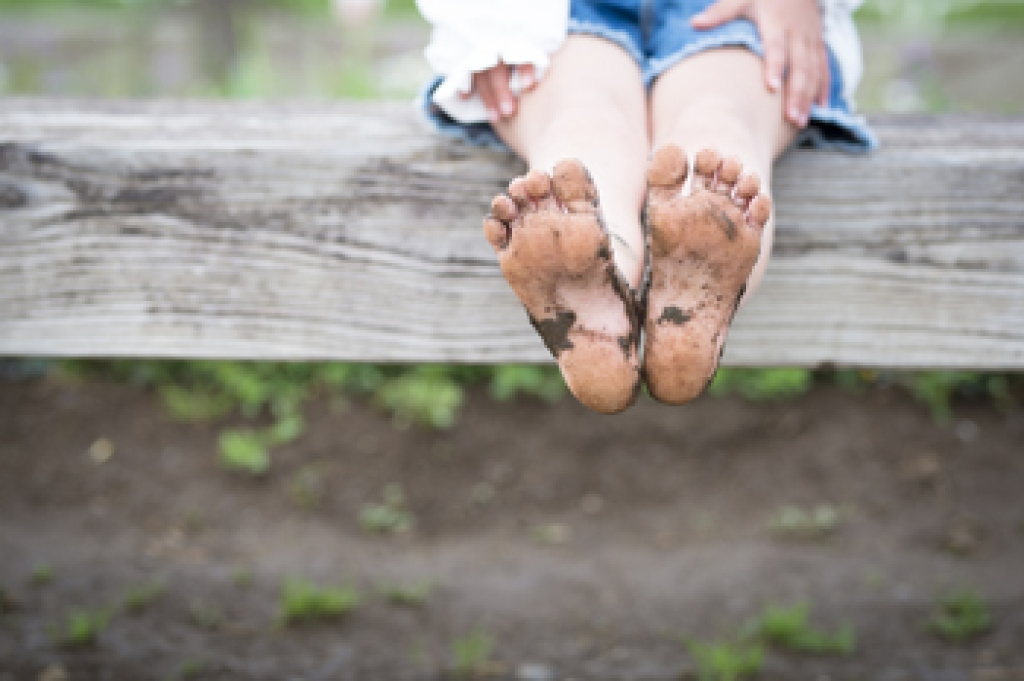
The Importance of Barefoot Walking for Kids

Barefoot walking offers many advantages for children, particularly in helping them develop essential skills for movement and coordination. By walking without shoes, children strengthen the muscles and tendons in their feet, which supports their ability to walk properly as they grow. The natural movement of the feet also promotes better alignment of the body, which can lead to improved posture. In addition to the physical benefits, barefoot walking supports brain and nervous system development. The soles of the feet are rich in sensory receptors that help send signals to the brain, enhancing sensory processing and motor function. This sensory feedback helps children improve their balance, coordination, and spatial awareness, contributing to cognitive development. If you would like to learn about additional benefits from having your child walk barefoot, it is suggested that you contact a podiatrist who can monitor your child’s foot health, and discuss whether this is a viable option for your lifestyle.

The health of a child’s feet is vital to their overall well-being. If you have any questions regarding foot health, contact Wendy L. Grossman, DPM of New Jersey. Our doctor can provide the care you need to keep you pain-free and on your feet.

Tips for Keeping Children's Feet Healthy

  • Make sure their shoes fit properly
  • Look for any signs of in-toeing or out-toeing
  • Check to see if they have Clubfoot (condition that affects your child’s foot and ankle, twisting the heel and toes inward) which is one of the most common nonmajor birth defects.
  • Lightly cover your baby’s feet (Tight covers may keep your baby from moving their feet freely, and could prevent normal development)
  • Allow your toddler to go shoeless (Shoes can be restricting for a young child’s foot)
  • Cut toenails straight across to avoid ingrown toenails
  • Keep your child’s foot clean and dry
  • Cover cuts and scrapes. Wash any scratches with soap and water and cover them with a bandage until they’ve healed.

If you have any questions, please feel free to contact our office located in Bloomfield, NJ . We offer the newest diagnostic and treatment technologies for all your foot care needs.
Read more about How to Care for Your Child's Feet

Symptoms and Causes of Flat Feet

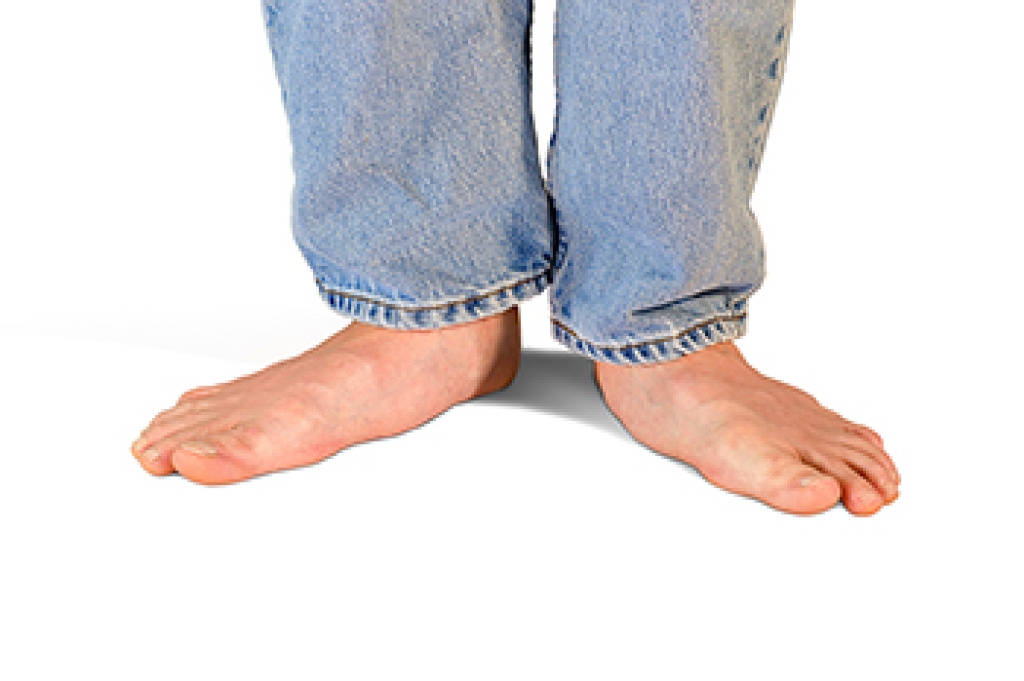
Flat feet, also called fallen arches, occur when the arch of the foot is lower than normal or completely flattened, causing the sole to touch the ground. While this condition is common in children as their arches develop, some people retain flat feet into adulthood. Others develop flat feet later in life due to aging, obesity, diabetes, or arthritis. Flat feet symptoms include pain in the arch, heel, or ankle, swelling, stiffness, and uneven wear on shoes. In some cases, the altered alignment of the feet can affect stability, increasing the risk of tripping or causing discomfort during activity. A podiatrist can diagnose flat feet by examining foot structure and movement. This foot doctor may recommend orthotics, which are custom shoe inserts designed to support the arch, improve foot alignment, and reduce pressure on the feet and ankles. Wearing supportive footwear can also help minimize discomfort. If you are experiencing pain caused by having flat feet, it is suggested that you schedule an appointment with a podiatrist for a diagnosis and treatment options.

Flatfoot is a condition many people suffer from. If you have flat feet, contact Wendy L. Grossman, DPM from New Jersey. Our doctor will treat your foot and ankle needs.

What Are Flat Feet?

Flatfoot is a condition in which the arch of the foot is depressed and the sole of the foot is almost completely in contact with the ground. About 20-30% of the population generally has flat feet because their arches never formed during growth.

Conditions & Problems:

Having flat feet makes it difficult to run or walk because of the stress placed on the ankles.

Alignment – The general alignment of your legs can be disrupted, because the ankles move inward which can cause major discomfort.

Knees – If you have complications with your knees, flat feet can be a contributor to arthritis in that area.  

Symptoms

  • Pain around the heel or arch area
  • Trouble standing on the tip toe
  • Swelling around the inside of the ankle
  • Flat look to one or both feet
  • Having your shoes feel uneven when worn

Treatment

If you are experiencing pain and stress on the foot you may weaken the posterior tibial tendon, which runs around the inside of the ankle. 

If you have any questions, please feel free to contact our office located in Bloomfield, NJ . We offer the newest diagnostic and treatment technologies for all your foot care needs.
Read more about Flat Feet

Midfoot Pain Syndrome or Morton’s Neuroma

Morton's neuroma, also known as midfoot pain syndrome, is a condition that causes pain in the ball of the foot, usually between the third and fourth toes. It occurs when the tissue surrounding a nerve thickens, leading to irritation or compression. The exact cause of Morton's neuroma is not always clear, but it can result from factors such as wearing tight or poorly fitting shoes, especially those with a narrow toe box or high heels, which put pressure on the toes. Activities that involve repetitive stress or impact, such as running or jumping, can also contribute to the development of the condition. Symptoms include a sharp, burning pain, tingling, or a sensation of something being stuck inside the shoe. The discomfort often worsens with prolonged walking or standing. If you have pain in this part of your foot, it is suggested that you consult a podiatrist who can guide you toward the treatment that is right for you.

Morton’s neuroma is a very uncomfortable condition to live with. If you think you have Morton’s neuroma, contact Wendy L. Grossman, DPM of New Jersey. Our doctor will attend to all of your foot care needs and answer any of your related questions.  

Morton’s Neuroma

Morton's neuroma is a painful foot condition that commonly affects the areas between the second and third or third and fourth toe, although other areas of the foot are also susceptible. Morton’s neuroma is caused by an inflamed nerve in the foot that is being squeezed and aggravated by surrounding bones.

What Increases the Chances of Having Morton’s Neuroma?

  • Ill-fitting high heels or shoes that add pressure to the toe or foot
  • Jogging, running or any sport that involves constant impact to the foot
  • Flat feet, bunions, and any other foot deformities

Morton’s neuroma is a very treatable condition. Orthotics and shoe inserts can often be used to alleviate the pain on the forefront of the feet. In more severe cases, corticosteroids can also be prescribed. In order to figure out the best treatment for your neuroma, it’s recommended to seek the care of a podiatrist who can diagnose your condition and provide different treatment options.

If you have any questions, please feel free to contact our office located in Bloomfield, NJ . We offer the newest diagnostic and treatment technologies for all your foot care needs.
Read more about What is Morton's Neuroma?

Do Your Child's Feet Hurt?

Have your child's feet been examined lately? Healthy feet are happy feet. If your child is complaining of foot pain, it may be a sign of underlying problems.

Sustainable Foot Care

Sustainable foot care focuses on practices that promote the long-term health of your feet while reducing environmental impact. It involves selecting footwear and products made from eco-friendly, durable materials that prioritize both comfort and sustainability. Opting for well-made shoes reduces waste by ensuring longevity while using biodegradable or recyclable insoles and foot care products minimizes environmental harm. Sustainable foot care also includes maintaining foot health to prevent avoidable complications. Regular foot hygiene, proper nail care, and attention to posture and gait all contribute to minimizing wear and tear on the feet. By caring for your feet responsibly and making conscious choices, you support not only your well-being but also the health of the planet. If you would like to learn more about this important topic and address any foot or ankle issues that you are experiencing, it is suggested that you visit a podiatrist.


Everyday foot care is very important to prevent infection and other foot ailments. If you need your feet checked, contact Wendy L. Grossman, DPM from New Jersey. Our doctor can provide the care you need to keep you pain-free and on your feet.

Everyday Foot Care

Often, people take care of their bodies, face and hair more so than they do for their feet. But the feet are a very important aspect of our bodies, and one that we should pay more attention to. Without our feet, we would not be able to perform most daily tasks.

It is best to check your feet regularly to make sure there are no new bruises or cuts that you may not have noticed before. For dry feet, moisturizer can easily be a remedy and can be applied as often as necessary to the affected areas. Wearing shoes that fit well can also help you maintain good foot health, as well as making it easier to walk and do daily activities without the stress or pain of ill-fitting shoes, high heels, or even flip flops. Wearing clean socks with closed shoes is important to ensure that sweat and bacteria do not accumulate within the shoe. Clean socks help to prevent Athlete’s foot, fungi problems, bad odors, and can absorb sweat.

If you have any questions, please feel free to contact our office located in Bloomfield, NJ . We offer the newest diagnostic and treatment technologies for all your foot care needs.

Read more about Every Day Foot Care

Connect With Us