
Effective and Easy Exercises for Plantar Fasciitis Relief

Relieving plantar fasciitis pain can be achieved through simple exercises that stretch and strengthen the foot. One effective exercise is the calf stretch, where you lean against a wall with one leg extended back and the other bent forward, stretching the calf muscles and reducing tension on the plantar fascia. The toe stretch involves sitting down and pulling your toes back toward your shin, helping to loosen the fascia. Rolling a tennis ball or frozen water bottle under your foot can massage and alleviate pain. Performing foot flexes by sitting with your legs straight and using a towel to pull your toes toward you can also provide relief. Consistently practicing these exercises can reduce pain and inflammation, promoting healing and preventing future flare-ups. If you have plantar fasciitis and are seeking additional effective foot stretches for relief, it is suggested that you visit a podiatrist, who can provide you with the information you are seeking.

Plantar fasciitis can be very painful and inconvenient. If you are experiencing heel pain or symptoms of plantar fasciitis, contact Wendy L. Grossman, DPM  from New Jersey. Our doctor can provide the care you need to keep you pain-free and on your feet.

What Is Plantar Fasciitis?

Plantar fasciitis is the inflammation of the thick band of tissue that runs along the bottom of your foot, known as the plantar fascia, and causes mild to severe heel pain.

What Causes Plantar Fasciitis?

  • Excessive running
  • Non-supportive shoes
  • Overpronation
  • Repeated stretching and tearing of the plantar fascia

How Can It Be Treated?

  • Conservative measures – anti-inflammatories, ice packs, stretching exercises, physical therapy, orthotic devices
  • Shockwave therapy – sound waves are sent to the affected area to facilitate healing and are usually used for chronic cases of plantar fasciitis
  • Surgery – usually only used as a last resort when all else fails. The plantar fascia can be surgically detached from the heel

While very treatable, plantar fasciitis is definitely not something that should be ignored. Especially in severe cases, speaking to your doctor right away is highly recommended to avoid complications and severe heel pain. Your podiatrist can work with you to provide the appropriate treatment options tailored to your condition.

If you have any questions, please feel free to contact our office located in Bloomfield, NJ . We offer the newest diagnostic and treatment technologies for all your foot care needs.

Read more about Plantar Fasciitis

Reminder: When Was the Last Time...?

Custom orthotics, or shoe inserts, should be periodically replaced. Orthotics must fit properly to give you the best results. Protect your feet and ankles!

Divers Can Develop Fin Foot

Divers should be wary of  a condition known as fin foot, causing swollen and tender feet after diving, often exacerbated in cold or rough waters. The discomfort of fin foot stems from reduced blood flow to the feet, due to factors like improper fin techniques or ill-fitting gear. Symptoms of fin foot can include swelling, redness, bruising to the toes, and pain while walking. Experts suggest that a diver experiencing these symptoms immediately cease diving, elevate their feet, and apply a warm compress for relief. Symptoms that persist beyond 48 hours warrant consultation with a podiatrist. Collaborating with a podiatrist ensures proper gear fit, including booties and fin straps. Adjustments, such as using larger booties or spring straps, can reduce the risk of recurrence. While edema in fin foot does not necessarily signify decompression sickness, divers are wise to remain vigilant to its effects. If you are experiencing post-dive foot problems, it is suggested that you schedule an appointment with a podiatrist. 

Ankle and foot injuries are common among athletes and in many sports. They can be caused by several problems and may be potentially serious. If you are feeling pain or think you were injured in a sporting event or when exercising, consult with Wendy L. Grossman, DPM from New Jersey. Our doctor will assess your condition and provide you with quality foot and ankle treatment.

Common Injuries

The most common injuries that occur in sporting activities include:

  • Achilles Tendonitis
  • Achilles Tendon Rupture
  • Ankle Sprains
  • Broken Foot
  • Plantar Fasciitis
  • Stress Fractures
  • Turf Toe

Symptoms

Symptoms vary depending upon the injury and in some cases, there may be no symptoms at all. However, in most cases, some form of symptom is experienced. Pain, aching, burning, bruising, tenderness, tightness or stiffness, sensation loss, difficulty moving, and swelling are the most common symptoms.

Treatment

Just as symptoms vary depending upon the injury, so do treatment options. A common treatment method is known as the RICE method. This method involves rest, applying ice, compression and elevating the afflicted foot or ankle. If the injury appears to be more serious, surgery might be required, such as arthroscopic or reconstructive surgery. Lastly, rehabilitation or therapy might be needed to gain full functionality in the afflicted area. Any discomfort experienced by an athlete must be evaluated by a licensed, reputable medical professional.  

If you have any questions please contact our office located in Bloomfield, NJ . We offer the newest diagnostic and treatment technologies for all your foot and ankle needs.

Read more about Sports Related Foot and Ankle Injuries

Dealing With Athlete’s Foot Infection

Athlete's foot, a type of tinea infection caused by a fungus, thrives in warm, moist environments, making your feet an ideal breeding ground. However, it's not just athletes who are at risk. Anyone can develop this irritating skin condition. The symptoms of Athlete's foot vary depending on the affected area of the foot involved, ranging from a red, flaky rash to itchy blisters and discolored nails. Some cases of athlete’s foot may require prescription medication, especially if the infection persists or spreads. If you're experiencing recurring symptoms, have multiple affected areas, or notice pus or discharge, it's of extreme importance to seek medical attention from a podiatrist. This foot doctor can accurately diagnose the problem and recommend an appropriate treatment plan tailored to your needs. Maintaining good personal hygiene and keeping your feet dry are essential steps in preventing athlete's foot. If you need help managing tinea infections, it is suggested that you make an appointment with a podiatrist as soon as possible.

Athlete’s Foot

Athlete’s foot is often an uncomfortable condition to experience. Thankfully, podiatrists specialize in treating athlete’s foot and offer the best treatment options. If you have any questions about athlete’s foot, consult with Wendy L. Grossman, DPM from New Jersey. Our doctor will assess your condition and provide you with quality treatment.

What Is Athlete’s Foot?

Tinea pedis, more commonly known as athlete’s foot, is a non-serious and common fungal infection of the foot. Athlete’s foot is contagious and can be contracted by touching someone who has it or infected surfaces. The most common places contaminated by it are public showers, locker rooms, and swimming pools. Once contracted, it grows on feet that are left inside moist, dark, and warm shoes and socks.

Prevention

The most effective ways to prevent athlete’s foot include:

  • Thoroughly washing and drying feet
  • Avoid going barefoot in locker rooms and public showers
  • Using shower shoes in public showers
  • Wearing socks that allow the feet to breathe
  • Changing socks and shoes frequently if you sweat a lot

Symptoms

Athlete’s foot initially occurs as a rash between the toes. However, if left undiagnosed, it can spread to the sides and bottom of the feet, toenails, and if touched by hand, the hands themselves. Symptoms include:

  • Redness
  • Burning
  • Itching
  • Scaly and peeling skin

Diagnosis and Treatment

Diagnosis is quick and easy. Skin samples will be taken and either viewed under a microscope or sent to a lab for testing. Sometimes, a podiatrist can diagnose it based on simply looking at it. Once confirmed, treatment options include oral and topical antifungal medications.

If you have any questions, please feel free to contact our office located in Bloomfield, NJ . We offer the newest diagnostic and treatment technologies for all your foot care needs.

Read more about Athlete's Foot

Blisters Caused by Edema

Edema, which is caused by excess fluid retention in the body, can also result in the development of blisters on the feet. These blisters are caused by the swelling that occurs when fluid collects in the tissues, causing pressure to be put on the skin. The skin then becomes more susceptible to friction and rubbing, especially in areas where it makes contact with shoes or socks. The increased friction can cause the formation of blisters, which can lead to pain and discomfort. Blisters caused by edema mainly appear on the feet and ankles, making daily activities like walking and wearing shoes difficult and painful. It is important to address the underlying cause of edema to prevent the formation of blisters. A podiatrist can provide personalized treatment options to manage edema and alleviate foot discomfort. Recommendations include compression socks or orthotic inserts to reduce swelling and friction. If you are developing blisters caused by edema, it is suggested that you visit a podiatrist for an exam and appropriate treatment options.

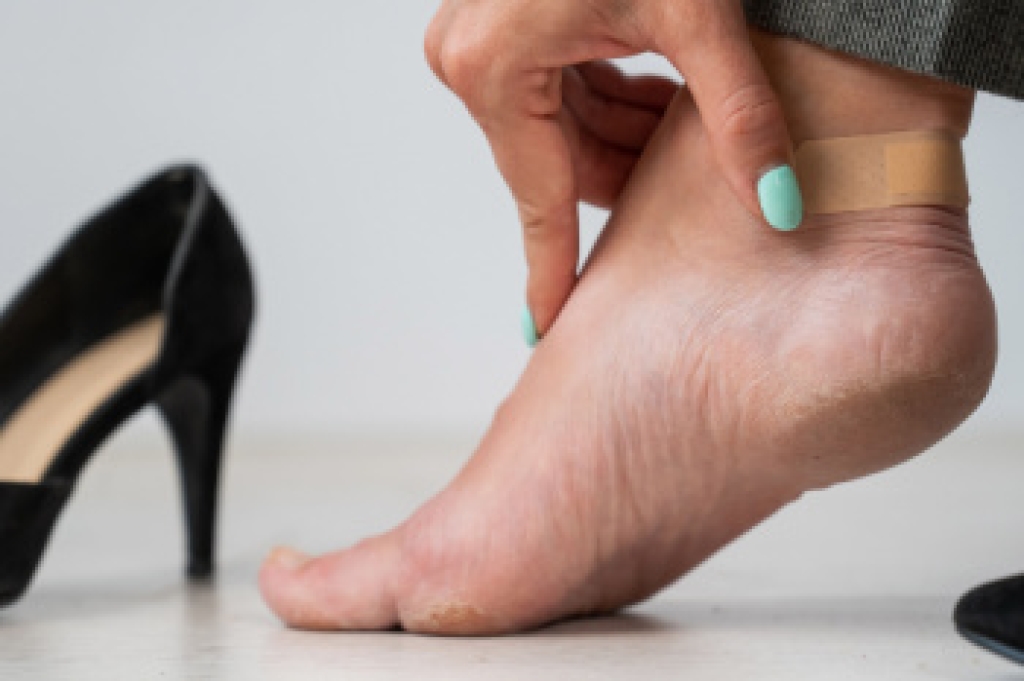
Blisters may appear as a single bubble or in a cluster. They can cause a lot of pain and may be filled with pus, blood, or watery serum. If your feet are hurting, contact Wendy L. Grossman, DPM of New Jersey. Our doctor can provide the care you need to keep you pain-free and on your feet.

Foot Blisters

Foot blisters are often the result of friction. This happens due to the constant rubbing from shoes, which can lead to pain.

What Are Foot Blisters?

A foot blister is a small fluid-filled pocket that forms on the upper-most layer of the skin. Blisters are filled with clear fluid and can lead to blood drainage or pus if the area becomes infected.

Symptoms

(Blister symptoms may vary depending on what is causing them)

  • Bubble of skin filled with fluid
  • Redness
  • Moderate to severe pain
  • Itching

Prevention & Treatment

In order to prevent blisters, you should be sure to wear comfortable shoes with socks that cushion your feet and absorb sweat. Breaking a blister open may increase your chances of developing an infection. However, if your blister breaks, you should wash the area with soap and water immediately and then apply a bandage to the affected area. If your blisters cause severe pain it is important that you call your podiatrist right away.

If you have any questions, please feel free to contact our office located in Bloomfield, NJ . We offer the newest diagnostic and treatment technologies for all your foot care needs.
Read more about Blisters

Connect With Us