
Understanding Athlete’s Foot and How It Is Diagnosed

Athlete’s foot is a skin infection caused by fungi that thrive in warm, moist areas, such as shoes, locker rooms, and public shower areas. It often appears as peeling, itching, or cracked skin between the toes or on the soles of the feet. Some cases may cause redness, blisters, or a burning sensation. Because symptoms can resemble eczema or psoriasis, a proper diagnosis is important. A podiatrist can usually identify athlete’s foot by examining the affected area. In some cases, a small skin sample may be taken and examined under a microscope or sent to a lab to confirm the presence of fungus. Accurate diagnosis ensures the most effective treatment. If you notice persistent foot irritation or scaling, it is suggested that you see a podiatrist for a diagnosis and a treatment plan that clears the infection and prevents it from returning.

Athlete’s foot is an inconvenient condition that can be easily reduced with the proper treatment. If you have any concerns about your feet and ankles, contact Wendy L. Grossman, DPM from New Jersey.  Our doctor will treat your foot and ankle needs.

Athlete’s Foot: The Sole Story

Athlete's foot, also known as tinea pedis, can be an extremely contagious foot infection. It is commonly contracted in public changing areas and bathrooms, dormitory style living quarters, around locker rooms and public swimming pools, or anywhere your feet often come into contact with other people.

Solutions to Combat Athlete’s Foot

  • Hydrate your feet by using lotion
  • Exfoliate
  • Buff off nails
  • Use of anti-fungal products
  • Examine your feet and visit your doctor if any suspicious blisters or cuts develop

Athlete’s foot can cause many irritating symptoms such as dry and flaking skin, itching, and redness. Some more severe symptoms can include bleeding and cracked skin, intense itching and burning, and even pain when walking. In the worst cases, Athlete’s foot can cause blistering as well. Speak to your podiatrist for a better understanding of the different causes of Athlete’s foot, as well as help in determining which treatment options are best for you.

If you have any questions please feel free to contact our office located in Bloomfield, NJ . We offer the newest diagnostic and treatment technologies for all your foot and ankle needs.

Read more about How to Deal with Athlete's Foot

We Can Treat Your Foot or Ankle Pain

Foot or ankle pain can negatively affect your day-to-day life and can occur due to several different conditions. Pain can also be an indicator of a more serious underlying condition, which is why you should seek professional help as soon as you notice any abnormalities in your feet.

Ankle Sprains in Tennis

Playing tennis requires quick lateral movements, sudden stops, and rapid changes in direction, all of which increase the risk of ankle sprains. These injuries occur when the ligaments supporting the ankle are overstretched or torn, often from landing awkwardly, pivoting too quickly, or stepping on an uneven surface. Inadequate warm-ups, wearing improper footwear, and weak ankle muscles can also contribute to the likelihood of injury. Symptoms of ankle sprains include pain, swelling, bruising, and difficulty bearing weight. A podiatrist can diagnose the severity of the sprain through a physical examination and imaging, if needed. They provide tailored treatment that may include rest strategies, bracing and strengthening exercises. If you have sustained an ankle injury while playing tennis, it is suggested that you contact a podiatrist who can provide the necessary treatment for relief and recovery.

Ankle and foot injuries are common among athletes and in many sports. They can be caused by several problems and may be potentially serious. If you are feeling pain or think you were injured in a sporting event or when exercising, consult with Wendy L. Grossman, DPM from New Jersey. Our doctor will assess your condition and provide you with quality foot and ankle treatment.

Common Injuries

The most common injuries that occur in sporting activities include:

  • Achilles Tendonitis
  • Achilles Tendon Rupture
  • Ankle Sprains
  • Broken Foot
  • Plantar Fasciitis
  • Stress Fractures
  • Turf Toe

Symptoms

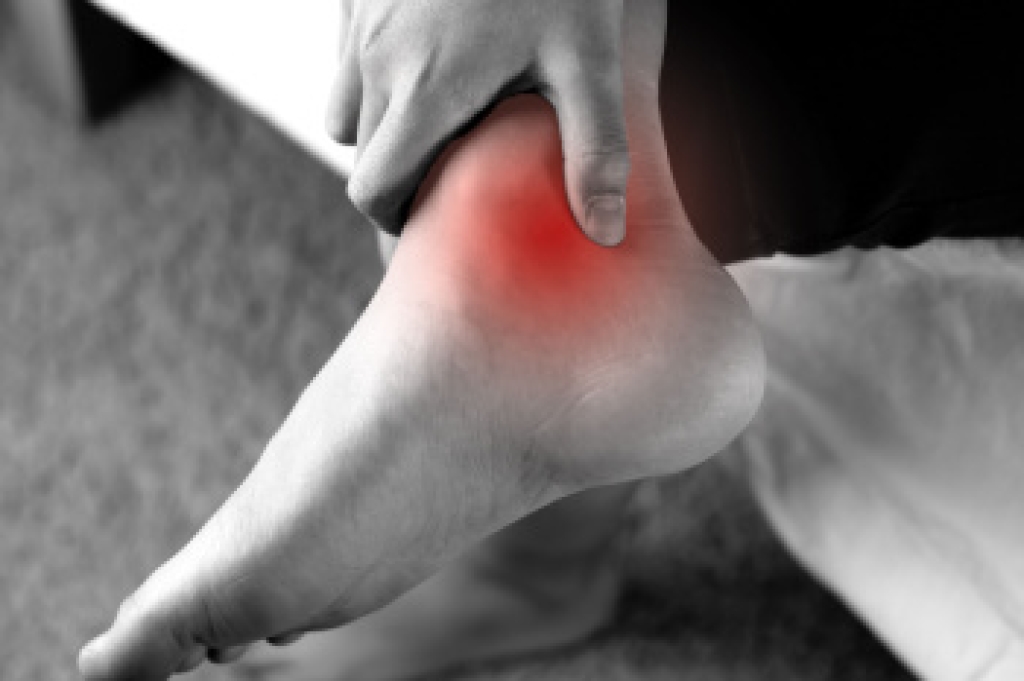
Symptoms vary depending upon the injury and in some cases, there may be no symptoms at all. However, in most cases, some form of symptom is experienced. Pain, aching, burning, bruising, tenderness, tightness or stiffness, sensation loss, difficulty moving, and swelling are the most common symptoms.

Treatment

Just as symptoms vary depending upon the injury, so do treatment options. A common treatment method is known as the RICE method. This method involves rest, applying ice, compression and elevating the afflicted foot or ankle. If the injury appears to be more serious, surgery might be required, such as arthroscopic or reconstructive surgery. Lastly, rehabilitation or therapy might be needed to gain full functionality in the afflicted area. Any discomfort experienced by an athlete must be evaluated by a licensed, reputable medical professional.  

If you have any questions please contact our office located in Bloomfield, NJ . We offer the newest diagnostic and treatment technologies for all your foot and ankle needs.
Read more about Sports Related Foot and Ankle Injuries

Understanding and Treating Tarsal Coalition

Tarsal coalition occurs when two or more bones in the back of the foot are abnormally connected. This connection may be made of bone, cartilage, or fibrous tissue and can limit foot movement, causing pain or stiffness. It often develops during childhood but may not cause symptoms until adolescence or early adulthood. Common signs include frequent ankle sprains, flat feet, and difficulty with physical activity. Treatment depends on the severity of the symptoms. Conservative care includes rest, targeted exercise, orthotics, or immobilization. In more serious cases, surgery may be needed to remove the abnormal connection or to fuse the bones. If you or your child experiences foot pain, stiffness, or unexplained walking difficulty, it is suggested that you see a podiatrist for an accurate diagnosis and appropriate treatment.

Tarsal tunnel syndrome can be very uncomfortable to live with. If you are experiencing tarsal tunnel syndrome, contact Wendy L. Grossman, DPM of New Jersey. Our doctor can provide the care you need to keep you pain-free and on your feet.

Tarsal Tunnel Syndrome

Tarsal tunnel syndrome, which can also be called tibial nerve dysfunction, is an uncommon condition of misfiring peripheral nerves in the foot. The tibial nerve is the peripheral nerve in the leg responsible for sensation and movement of the foot and calf muscles. In tarsal tunnel syndrome, the tibial nerve is damaged, causing problems with movement and feeling in the foot of the affected leg.

Common Cause of Tarsal Tunnel Syndrome

  • Involves pressure or an injury, direct pressure on the tibial nerve for an extended period of time, sometimes caused by other body structures close by or near the knee.
  • Diseases that damage nerves, including diabetes, may cause tarsal tunnel syndrome.
  • At times, tarsal tunnel syndrome can appear without an obvious cause in some cases.

The Effects of Tarsal Tunnel Syndrome

  • Different sensations, an afflicted person may experience pain, tingling, burning or other unusual sensations in the foot of the affected leg.
  • The foot muscles, toes and ankle become weaker, and curling your toes or flexing your foot can become difficult.
  • If condition worsens, infections and ulcers may develop on the foot that is experiencing the syndrome.

A physical exam of the leg can help identify the presence of tarsal tunnel syndrome. Medical tests, such as a nerve biopsy, are also used to diagnose the condition. Patients may receive physical therapy and prescriptive medication. In extreme cases, some may require surgery.

If you have any questions please contact our office located in Bloomfield, NJ . We offer the newest diagnostic and treatment technologies for all your foot and ankle needs.

Read more about Treating Tarsal Tunnel Syndrome

Podiatrists and the Conditions They Treat

A podiatrist is a medical professional who specializes in diagnosing and treating conditions related to the feet, ankles, and lower legs. They receive extensive training in foot and ankle care, including both non-surgical and surgical treatment options. Podiatrists treat a wide range of issues such as heel pain, bunions, hammertoes, ingrown toenails, fungal infections, and foot injuries. They also manage complications related to diabetes, including foot ulcers and nerve damage. Podiatrists provide care for individuals of all ages, from children with flat feet to seniors with arthritis or circulation problems. This type of doctor also plays an important role in preventive care by offering guidance on footwear, gait, and foot hygiene. If you have foot or ankle pain, it is suggested that you promptly contact a podiatrist for treatment.

If you are experiencing pain in the feet or ankles, don’t join the stubborn majority refusing treatment. Feel free to contact Wendy L. Grossman, DPM from New Jersey. Our doctor can provide the care you need to keep you pain-free and on your feet.

What Is a Podiatrist?

Someone would seek the care of a podiatrist if they have suffered a foot injury or have common foot ailments such as heal spurs, bunions, arch problems, deformities, ingrown toenails, corns, foot and ankle problems, etc.

Podiatric Treatment

A podiatrist will treat the problematic areas of the feet, ankle or lower leg by prescribing the following:

  • Physical therapy
  • Drugs
  • Orthotic inserts or soles
  • Surgery on lower extremity fractures

A common podiatric procedure a podiatrist will use is a scanner or force plate which will allow the podiatrist to know the designs of orthotics. Patients are then told to follow a series of tasks to complete the treatment. The computer will scan the foot a see which areas show weight distribution and pressure points. The podiatrist will read the analysis and then determine which treatment plans are available.

If you have any questions, please feel free to contact our office located in Bloomfield, NJ . We offer the newest diagnostic and treatment technologies for all your foot care needs.

Read more about What is a Podiatrist?

Connect With Us