
My Ankle Hurts

Ankle pain while walking can significantly impact your daily activities, and several conditions may be the culprit. Fractures, often resulting from trauma like a fall, typically cause severe pain, swelling, bruising, and an inability to bear weight on the foot. Treatment may include immobilization or surgery, depending on the severity of the fracture. Tendon sprains or tears, often caused by overuse or sudden movements, lead to pain, swelling, and difficulty moving the ankle. A podiatrist may recommend compression or targeted exercises to help with healing. Ligament sprains or tears occur when the ankle twists or rolls, causing pain, bruising, and swelling. Treatment typically involves rest and elevation. Dislocations, where the bones in the ankle are out of place, can cause severe pain, swelling, and visible deformity. Immediate treatment involves realigning the joint, followed by rehabilitation. If you are experiencing ankle pain, it is suggested that you consult a podiatrist for a proper diagnosis and treatment plan.

Ankle pain can have many different causes and the pain may potentially be serious. If you have ankle pain, consult with Wendy L. Grossman, DPM  from New Jersey. Our doctor will assess your condition and provide you with quality foot and ankle treatment.

Ankle pain is any condition that causes pain in the ankle. Due to the fact that the ankle consists of tendons, muscles, bones, and ligaments, ankle pain can come from a number of different conditions.

Causes

The most common causes of ankle pain include:

  • Types of arthritis (rheumatoid, osteoarthritis, and gout)
  • Ankle sprains
  • Broken ankles
  • Achilles tendinitis
  • Achilles tendon rupture
  • Stress fractures
  • Tarsal tunnel syndrome
  • Plantar fasciitis

Symptoms

Symptoms of ankle injury vary based upon the condition. Pain may include general pain and discomfort, swelling, aching, redness, bruising, burning or stabbing sensations, and/or loss of sensation.

Diagnosis

Due to the wide variety of potential causes of ankle pain, podiatrists will utilize a number of different methods to properly diagnose ankle pain. This can include asking for personal and family medical histories and of any recent injuries. Further diagnosis may include sensation tests, a physical examination, and potentially x-rays or other imaging tests.

Treatment

Just as the range of causes varies widely, so do treatments. Some more common treatments are rest, ice packs, keeping pressure off the foot, orthotics and braces, medication for inflammation and pain, and surgery.

If you have any questions please feel free to contact our office located in Bloomfield, NJ . We offer the newest diagnostic tools and technology to treat your foot and ankle needs.

Read more about Ankle Pain

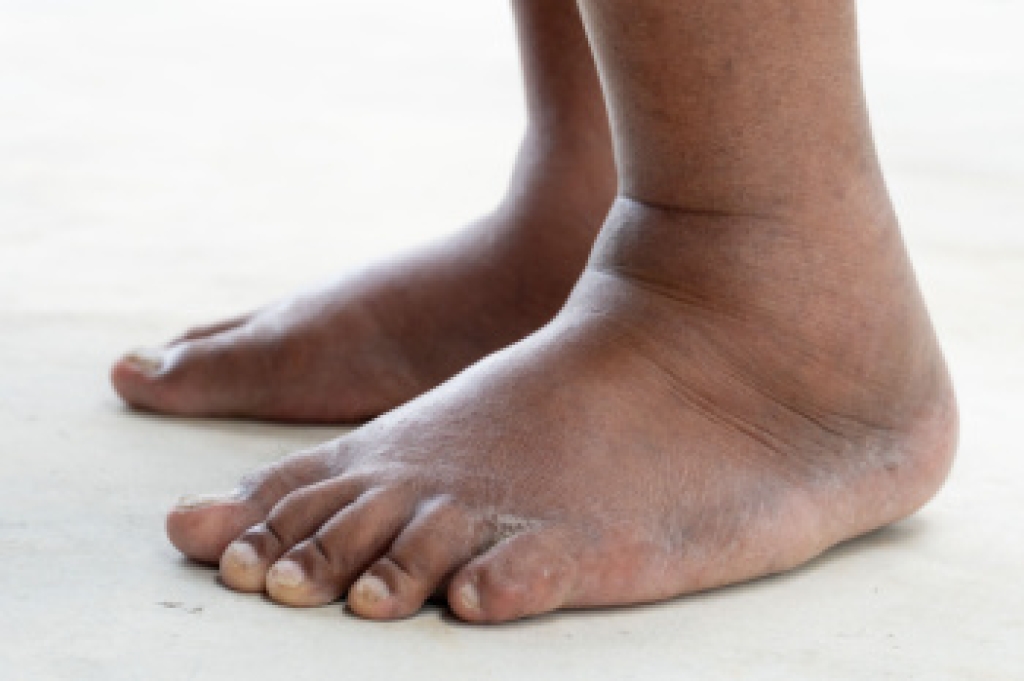
Conditions That May Cause Swollen Feet

Lipedema and edema are conditions that can affect the feet, causing discomfort and swelling. Lipedema is a chronic disorder that causes abnormal fat accumulation, typically in the legs, hips, and sometimes the feet. It is often mistaken for obesity, but it is a distinct condition that does not respond well to diet or exercise. Edema, on the other hand, refers to fluid retention, which can cause swelling in the feet and ankles. Both conditions share symptoms like swelling, pain, and a feeling of heaviness, and they can be aggravated by standing for long periods of time, or wearing ill-fitting shoes. While the exact causes are not fully understood, genetic factors, hormonal changes, and poor circulation are believed to contribute. Treatment options include compression therapy, elevation, lymphatic drainage massage, and specialized footwear. A podiatrist can offer tailored treatment plans to manage symptoms, improve circulation, and relieve discomfort. If you are experiencing swelling or pain in your feet or ankles, it is suggested that you schedule an appointment with a podiatrist.

Swollen feet can be a sign of an underlying condition. If you have any concerns, contact Wendy L. Grossman, DPM of New Jersey. Our doctor can provide the care you need to keep you pain-free and on your feet.

Swollen feet are a common ailment among pregnant women and people who stand or sit for extended periods. Aging may increase the possibility of swollen feet and patients who are obese often notice when their feet are swelling too. There may be medical reasons why swollen feet occur:

  • Phlebitis - A condition that causes the veins to become inflamed and can also cause leg pain.
  • Liver disease - This may lead to low blood levels of albumin which is a protein. This can cause fluid in the blood to pass into the tissues and several areas of the body can become swollen.
  • Heart failure - When the heart doesn’t pump properly the blood that is normally pumped back to the heart can pool in the veins of the legs causing swollen feet.
  • Kidney disease - One of the main functions of the kidneys is releasing excess fluid in the body. This type of condition can make it difficult for the kidneys to function properly, and as a result the feet may become swollen.
  • Deep-vein thrombosis (DVT)- This is a serious condition where blood clots form in the veins of the legs. They can block the return of blood from the legs to the heart which may cause the feet to swell. It is important to be treated by a podiatrist if this condition is present.

Swollen feet can also be caused by bone and tendon conditions, including fractures, arthritis, and tendinitis. Additionally, there may be skin and toenail conditions and an infection may cause the feet to swell. Patients who take medicine to treat high blood pressure may be prone to getting swollen feet. 

Many patients elevate their feet to help relieve the swelling and this is generally a temporary remedy. When a podiatrist is consulted the reason behind the swelling can be uncovered and subsequently treated.

If you have any questions please contact our office located in Bloomfield, NJ . We offer the newest diagnostic and treatment technologies for all your foot and ankle needs.

Read more about Swelling of the Feet

Foot Care Tips for Rheumatoid Arthritis Patients

For those with rheumatoid arthritis, or RA, proper foot care is essential to manage pain and prevent mobility issues. RA often affects the joints in the feet, causing swelling, stiffness, and pain that can worsen without special attention. Consistent and gentle foot exercises help maintain joint flexibility while wearing supportive footwear minimizes stress on sensitive areas. Look for shoes with cushioned soles, wide toe boxes, and arch support to ease pressure on joints. Daily inspection of the feet is important for spotting redness, sores, or deformities early, as RA can make skin and nails more prone to damage. Applying moisturizer helps prevent dry skin and cracks. If you have RA and have pain or deformities like bunions that worsen, it is suggested that you schedule an appointment with a podiatrist who can recommend custom orthotics or special footwear adjustments, providing relief and improving mobility.

Because RA affects more than just your joints, including the joints in your feet and ankles, it is important to seek early diagnosis from your podiatrist if you feel like the pain in your feet might be caused by RA. For more information, contact Wendy L. Grossman, DPM of New Jersey. Our doctor will assist you with all of your podiatric concerns.

What Is Rheumatoid Arthritis?

Rheumatoid Arthritis (RA) is an autoimmune disorder in which the body’s own immune system attacks the membranes surrounding the joints. Inflammation of the lining and eventually the destruction of the joint’s cartilage and bone occur, causing severe pain and immobility.

Rheumatoid Arthritis of the Feet

Although RA usually attacks multiple bones and joints throughout the entire body, almost 90 percent of cases result in pain in the foot or ankle area.

Symptoms

  • Swelling and pain in the feet
  • Stiffness in the feet
  • Pain on the ball or sole of feet
  • Joint shift and deformation

Diagnosis

Quick diagnosis of RA in the feet is important so that the podiatrist can treat the area effectively. Your doctor will ask you about your medical history, occupation, and lifestyle to determine the origin of the condition. Rheumatoid Factor tests help to determine if someone is affected by the disease.

If you have any questions, please feel free to contact our office located in Bloomfield, NJ . We offer the newest diagnostic and treatment technologies for all your foot care needs.

Read more about Rheumatoid Arthritis in the Feet

Jogger’s Foot Treatment

Jogger’s foot, or medial plantar neuropathy, is a condition caused by the entrapment of the medial plantar nerve, often affecting runners and individuals engaged in repetitive foot-striking activities. Characterized by pain, tingling, or numbness along the inside of the arch and the sole, this condition can mimic other foot ailments, making diagnosis challenging. Differentiating jogger’s foot from plantar fasciitis or tibial nerve entrapment is critical, as each requires distinct management strategies. A podiatrist, specializing in foot and ankle care, is equipped to identify medial plantar neuropathy through physical exams, imaging, and nerve conduction studies. Treatment for jogger's foot involves activity modification, orthotics, and targeted exercises. For patients unresponsive to conservative measures, innovative techniques offer potential relief. If you have symptoms of jogger’s foot, it is suggested that you consult a podiatrist for a proper diagnosis and care.

Foot Pain

Foot pain can be extremely painful and debilitating. If you have a foot pain, consult with Wendy L. Grossman, DPM  from New Jersey. Our doctor will assess your condition and provide you with quality foot and ankle treatment.

Causes

Foot pain is a very broad condition that could be caused by one or more ailments. The most common include:

  • Bunions
  • Hammertoes
  • Plantar Fasciitis
  • Bone Spurs
  • Corns
  • Tarsal Tunnel Syndrome
  • Ingrown Toenails
  • Arthritis (such as Gout, Rheumatoid, and Osteoarthritis)
  • Flat Feet
  • Injury (from stress fractures, broken toe, foot, ankle, Achilles tendon ruptures, and sprains)
  • And more

Diagnosis

To figure out the cause of foot pain, podiatrists utilize several different methods. This can range from simple visual inspections and sensation tests to X-rays and MRI scans. Prior medical history, family medical history, and any recent physical traumatic events will all be taken into consideration for a proper diagnosis.

Treatment

Treatment depends upon the cause of the foot pain. Whether it is resting, staying off the foot, or having surgery; podiatrists have a number of treatment options available for foot pain.

If you have any questions, please feel free to contact our office located in Bloomfield, NJ . We offer the newest diagnostic and treatment technologies for all your foot care needs.

Read more about Foot Pain

Wounds That Don't Heal Need to Be Checked

Your feet are covered most of the day. If you're diabetic, periodic screening is important for good health. Numbness is often a sign of diabetic foot and can mask a sore or wound.

Connect With Us