Persistent Foot Pain

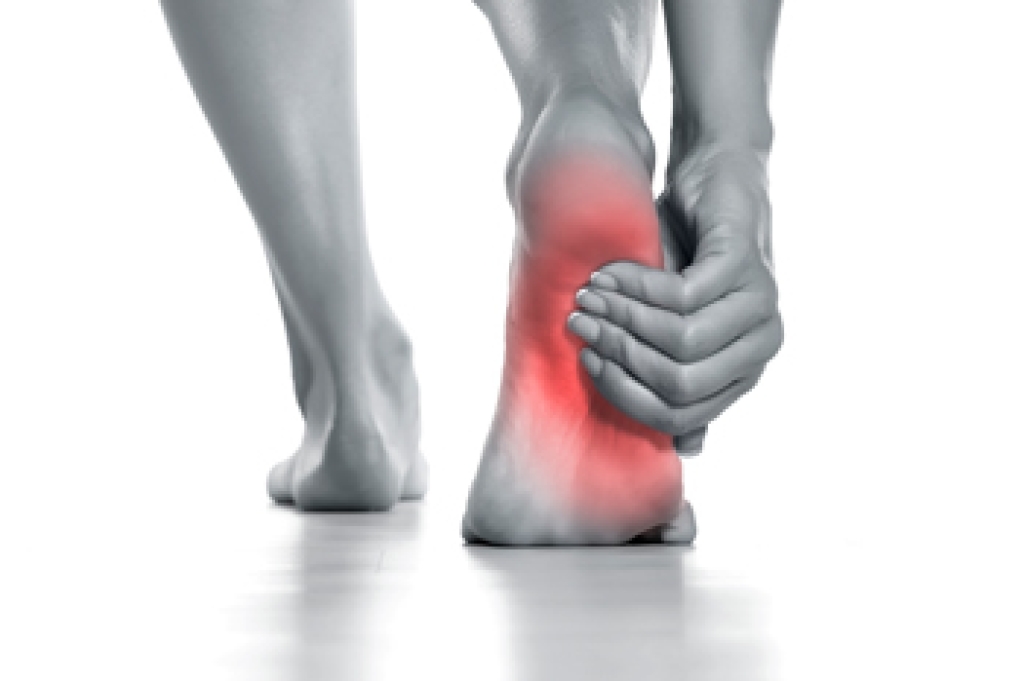
Your feet play a vital role in your daily life, enduring substantial wear and tear. It is estimated that by the age of 50, you will have covered approximately 75,000 miles on your feet alone. Given this extensive use and the intricate nature of the feet, it is highly probable that you will encounter various foot-related issues over time. The most frequent causes of foot and ankle pain are short-term and result from soft tissue injuries, such as sprains or strains, which typically resolve in a few months. However, persistent or worsening pain may be indicative of structural changes within the foot or ankle or it may indicate an underlying condition. Factors contributing to long-term discomfort include ill-fitting footwear, osteoarthritis, inflammatory arthritis, connective tissue disorders, poor circulation, and nerve damage. If you have continuing foot pain, it is suggested that you schedule an appointment with a podiatrist for a diagnosis and tailored treatment options.

Foot Pain

Foot pain can be extremely painful and debilitating. If you have a foot pain, consult with Wendy L. Grossman, DPM  from New Jersey. Our doctor will assess your condition and provide you with quality foot and ankle treatment.

Causes

Foot pain is a very broad condition that could be caused by one or more ailments. The most common include:

  • Bunions
  • Hammertoes
  • Plantar Fasciitis
  • Bone Spurs
  • Corns
  • Tarsal Tunnel Syndrome
  • Ingrown Toenails
  • Arthritis (such as Gout, Rheumatoid, and Osteoarthritis)
  • Flat Feet
  • Injury (from stress fractures, broken toe, foot, ankle, Achilles tendon ruptures, and sprains)
  • And more

Diagnosis

To figure out the cause of foot pain, podiatrists utilize several different methods. This can range from simple visual inspections and sensation tests to X-rays and MRI scans. Prior medical history, family medical history, and any recent physical traumatic events will all be taken into consideration for a proper diagnosis.

Treatment

Treatment depends upon the cause of the foot pain. Whether it is resting, staying off the foot, or having surgery; podiatrists have a number of treatment options available for foot pain.

If you have any questions, please feel free to contact our office located in Bloomfield, NJ . We offer the newest diagnostic and treatment technologies for all your foot care needs.


Read more about Foot Pain

Athlete’s Foot Causes and Symptoms

Athlete's foot is a fungal infection that can affect anyone, but certain factors can increase the risk of its development. Sweating profusely or wearing shoes and socks that promote excessive foot moisture create favorable conditions for the growth of the fungi responsible for athlete's foot. Those with weakened immune systems are particularly susceptible to infections, including fungal ones like athlete's foot. The transmission of athlete's foot from person to person is another factor to consider. The fungus responsible for the infection can be spread through direct contact with an infected person or by coming into contact with surfaces or items that carry the fungal spores. This makes environments such as communal showers, swimming pool areas, and gym locker rooms potential breeding grounds for the fungus. Common signs of athlete’s foot include an itchy, white, or scaly rash between the toes or on the feet, and flaky, infected skin that may peel off. For help in dealing with athlete’s foot, it is suggested that you schedule an appointment with a podiatrist for advanced treatment options. 

Athlete’s foot is an inconvenient condition that can be easily reduced with the proper treatment. If you have any concerns about your feet and ankles, contact Wendy L. Grossman, DPM from New Jersey.  Our doctor will treat your foot and ankle needs.

Athlete’s Foot: The Sole Story

Athlete's foot, also known as tinea pedis, can be an extremely contagious foot infection. It is commonly contracted in public changing areas and bathrooms, dormitory style living quarters, around locker rooms and public swimming pools, or anywhere your feet often come into contact with other people.

Solutions to Combat Athlete’s Foot

  • Hydrate your feet by using lotion
  • Exfoliate
  • Buff off nails
  • Use of anti-fungal products
  • Examine your feet and visit your doctor if any suspicious blisters or cuts develop

Athlete’s foot can cause many irritating symptoms such as dry and flaking skin, itching, and redness. Some more severe symptoms can include bleeding and cracked skin, intense itching and burning, and even pain when walking. In the worst cases, Athlete’s foot can cause blistering as well. Speak to your podiatrist for a better understanding of the different causes of Athlete’s foot, as well as help in determining which treatment options are best for you.

If you have any questions please feel free to contact our office located in Bloomfield, NJ . We offer the newest diagnostic and treatment technologies for all your foot and ankle needs.

Read more about Athlete’s Foot

Are Bunions Affecting Your Everyday Life?

Have you noticed a bony protrusion on the side of your big toe? If so, you may have developed the foot condition known as a bunion. Don't let bunions interfere with your daily activities.

Managing a Broken Foot

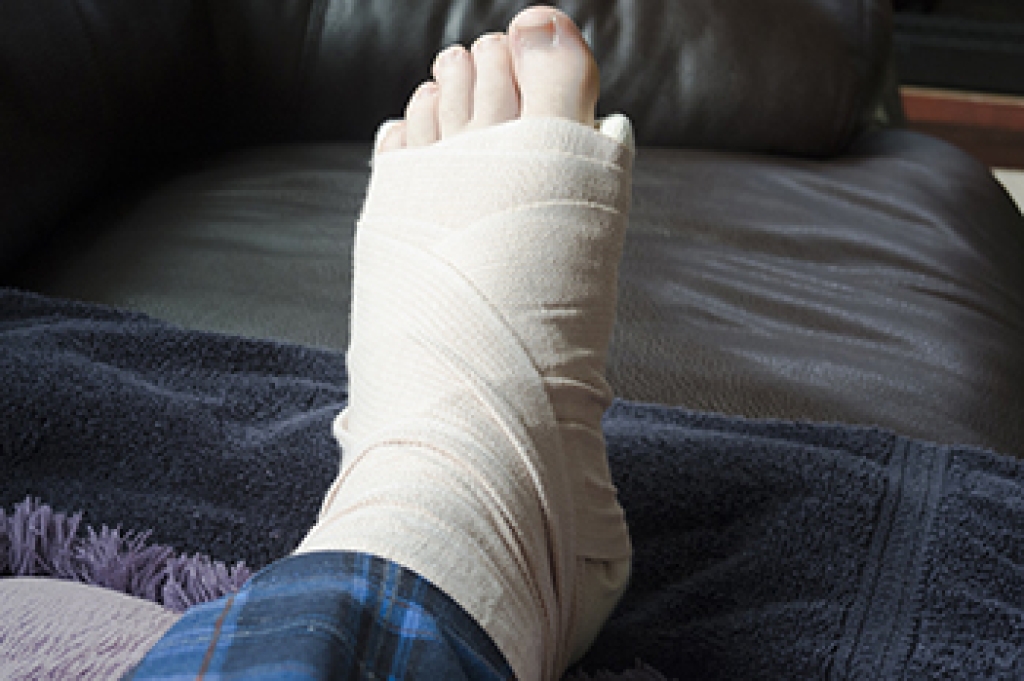
Managing a broken foot requires immediate attention and a structured treatment plan to ensure proper healing. Immobilization of the foot is often necessary to prevent further injury, and this may involve using splints, casts, or walking boots. The type of fracture dictates the specific immobilization method. Pain relief is an important aspect of management. In some cases, particularly for more complex fractures, surgery may be necessary to realign and stabilize the bones. Following immobilization, the patient usually needs to limit weight bearing on the injured foot, sometimes with the aid of crutches or a scooter. A podiatrist will establish a timeline for the gradual reintroduction of weight-bearing activities. If you have broken your foot, it is suggested that you make an appointment with a podiatrist as quickly as possible, and follow their instructions to prevent re-injury in addition to proper bone healing.

A broken foot requires immediate medical attention and treatment. If you need your feet checked, contact Wendy L. Grossman, DPM from New Jersey. Our doctor can provide the care you need to keep you pain-free and on your feet.

Broken Foot Causes, Symptoms, and Treatment

A broken foot is caused by one of the bones in the foot typically breaking when bended, crushed, or stretched beyond its natural capabilities. Usually the location of the fracture indicates how the break occurred, whether it was through an object, fall, or any other type of injury. 

Common Symptoms of Broken Feet:

  • Bruising
  • Pain
  • Redness
  • Swelling
  • Blue in color
  • Numbness
  • Cold
  • Misshapen
  • Cuts
  • Deformities

Those that suspect they have a broken foot shoot seek urgent medical attention where a medical professional could diagnose the severity.

Treatment for broken bones varies depending on the cause, severity and location. Some will require the use of splints, casts or crutches while others could even involve surgery to repair the broken bones. Personal care includes the use of ice and keeping the foot stabilized and elevated.

If you have any questions, please feel free to contact our office located in Bloomfield, NJ . We offer the newest diagnostic and treatment technologies for all your foot care needs.
Read more about Causes, Symptoms, and Treatment for a Broken Foot

Care of Foot Ulcers

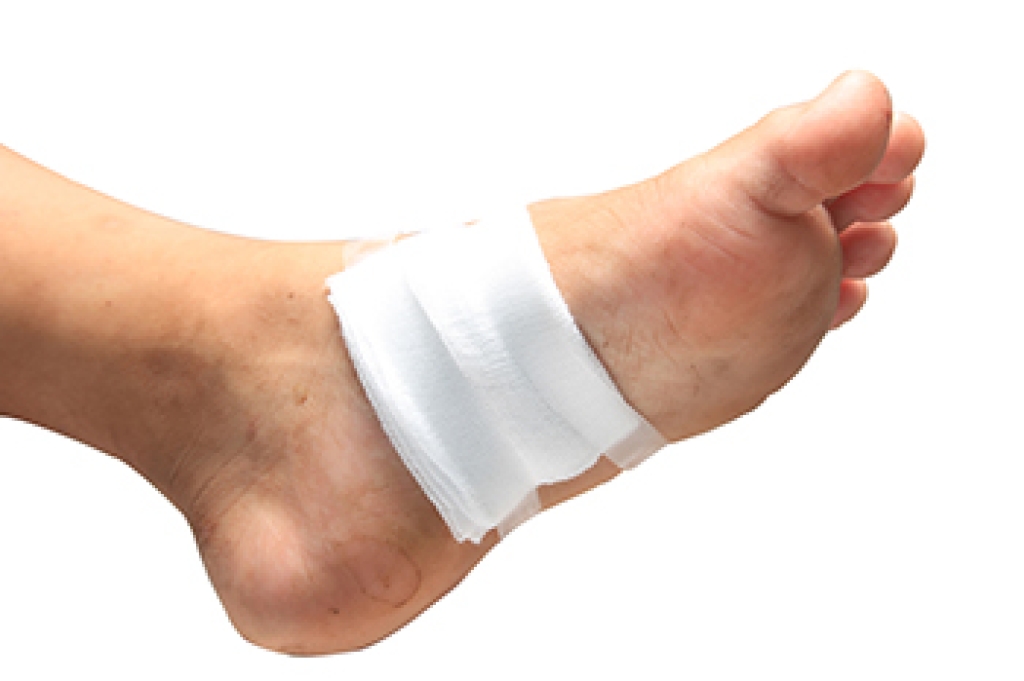
Foot ulcers are a serious concern, especially for the elderly and individuals with conditions such as diabetes that can impair circulation, leading to complications in wound healing. These ulcers come in various forms, with diabetic foot ulcers and neuropathic ulcers, arising from a lack of sensation in the feet, being particularly common. The proper management of these wounds is critical, and it begins with an accurate diagnosis by a qualified podiatrist, who can identify the specific type of ulcer and the best course of treatment. Treatment often involves the use of specialized dressings designed to cater to the specific needs of the wound, aiding in healing and preventing infection. Compression bandages may also be part of the treatment regimen, particularly for ulcers caused by poor venous circulation, which can help to reduce swelling and promote blood flow. For those experiencing recurrent foot ulcers, it is strongly suggested that you make an appointment with a podiatrist for ongoing care. Regular check-ups with a podiatrist can not only address current ulcers but also provide valuable education on foot care, in addition to providing preventive measures to reduce the risk of future foot wounds and ulcers.

Wound care is an important part in dealing with diabetes. If you have diabetes and a foot wound or would like more information about wound care for diabetics, consult with Wendy L. Grossman, DPM from New Jersey. Our doctor will assess your condition and provide you with quality foot and ankle treatment.

What Is Wound Care?

Wound care is the practice of taking proper care of a wound. This can range from the smallest to the largest of wounds. While everyone can benefit from proper wound care, it is much more important for diabetics. Diabetics often suffer from poor blood circulation which causes wounds to heal much slower than they would in a non-diabetic. 

What Is the Importance of Wound Care?

While it may not seem apparent with small ulcers on the foot, for diabetics, any size ulcer can become infected. Diabetics often also suffer from neuropathy, or nerve loss. This means they might not even feel when they have an ulcer on their foot. If the wound becomes severely infected, amputation may be necessary. Therefore, it is of the upmost importance to properly care for any and all foot wounds.

How to Care for Wounds

The best way to care for foot wounds is to prevent them. For diabetics, this means daily inspections of the feet for any signs of abnormalities or ulcers. It is also recommended to see a podiatrist several times a year for a foot inspection. If you do have an ulcer, run the wound under water to clear dirt from the wound; then apply antibiotic ointment to the wound and cover with a bandage. Bandages should be changed daily and keeping pressure off the wound is smart. It is advised to see a podiatrist, who can keep an eye on it.

If you have any questions please contact our office located in Bloomfield, NJ . We offer the newest diagnostic and treatment technologies for all your foot and ankle needs.

Read more about Wound Care

Connect With Us