Facts About Stress Fractures

Stress fractures are considered to be overuse injuries that are common among runners, as well as other athletes. Football players, basketball players, and dancers are at risk for stress fractures over time. A stress fracture is a hairline crack in the bone as a result of repetitive pounding of the feet. People with poor nutritional habits and who smoke or drink excess alcohol are also susceptible to incurring stress fractures. The most common causes of these painful stress fractures are repetitive force, overtraining, and running on hard surfaces. A stress fracture often develops as the result of a sudden change in physical activity, such as increasing running speed too quickly or starting to participate in a sport after being sedentary for a long time. Furthermore, a vitamin D deficiency can cause the bones to weaken, possibly making them more vulnerable to this type of injury. Wearing shoes that do not fit well or provide inadequate support is another common cause of stress fractures. If you believe you have developed stress fractures in the feet or ankles, it is suggested that you visit a podiatrist for a full examination and correct treatment options.

Activities where too much pressure is put on the feet can cause stress fractures. To learn more, contact Wendy L. Grossman, DPM from New Jersey. Our doctor can provide the care you need to keep your pain free and on your feet.

Dealing with Stress Fractures of the Foot and Ankle

Stress fractures occur in the foot and ankle when muscles in these areas weaken from too much or too little use.  The feet and ankles then lose support when walking or running from the impact of the ground. Since there is no protection, the bones receive the full impact of each step. Stress on the feet can cause cracks to form in the bones, thus creating stress fractures.

What Are Stress Fractures?

Stress fractures occur frequently in individuals whose daily activities cause great impact on the feet and ankles. Stress factors are most common among:

  • Runners                                
  • People affected with Osteoporosis
  • Tennis or basketball players
  • Gymnasts
  • High impact workouts

Symptoms

Pain from the fractures occur in the area of the fractures and can be constant or intermittent. It will often cause sharp or dull pain with swelling and tenderness. Engaging in any kind of activity which involves high impact will aggravate pain.

If you have any questions please contact our office located in Bloomfield, NJ . We offer the newest diagnostic and treatment technologies for all your foot and ankle needs.

Read more about Dealing with Stress Fractures of the Foot and Ankle

Let the Expert Treat Your Ingrown Toenails

Ingrown toenails can be painful and can make wearing shoes or walking uncomfortable. Seek professional help if you believe you've developed an ingrown toenail and be treated safely. 

Symptoms of a Broken Foot

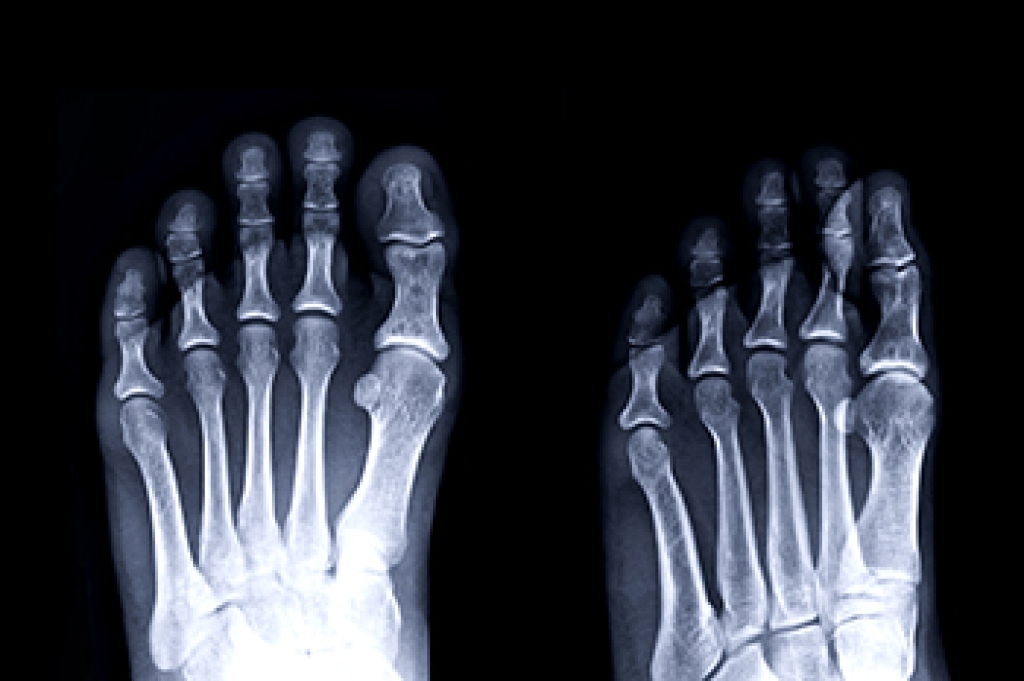
There are 26 bones in each foot that can easily be injured from falls, sports injuries, or repetitive pressure or force. A broken foot, or foot fracture, is usually from a direct injury to the foot and can be caused by high-impact activities, like running or jumping, auto accidents, falls, repetitive stress or overuse, or straightforward trauma. Things that might contribute to one sustaining a foot fracture include wearing shoes that do not properly support the feet, a Vitamin D deficiency, or having structural foot problems. Symptoms of a broken foot include pain, difficulty bearing weight, swelling, bruising, altered walking, and immobility of the toes, foot, and ankle. It is highly suggested that anyone who suspects they have broken their foot see a podiatrist as soon as possible for a proper diagnosis and a treatment plan.

A broken foot requires immediate medical attention and treatment. If you need your feet checked, contact Wendy L. Grossman, DPM from New Jersey. Our doctor can provide the care you need to keep you pain-free and on your feet.

Broken Foot Causes, Symptoms, and Treatment

A broken foot is caused by one of the bones in the foot typically breaking when bended, crushed, or stretched beyond its natural capabilities. Usually the location of the fracture indicates how the break occurred, whether it was through an object, fall, or any other type of injury. 

Common Symptoms of Broken Feet:

  • Bruising
  • Pain
  • Redness
  • Swelling
  • Blue in color
  • Numbness
  • Cold
  • Misshapen
  • Cuts
  • Deformities

Those that suspect they have a broken foot shoot seek urgent medical attention where a medical professional could diagnose the severity.

Treatment for broken bones varies depending on the cause, severity and location. Some will require the use of splints, casts or crutches while others could even involve surgery to repair the broken bones. Personal care includes the use of ice and keeping the foot stabilized and elevated.

If you have any questions, please feel free to contact our office located in Bloomfield, NJ . We offer the newest diagnostic and treatment technologies for all your foot care needs.
Read more about Causes, Symptoms, and Treatment for a Broken Foot

Causes for Numbness in the Big Toe

When your big toe feels numb, it is a cause of concern. This phenomenon usually signals a loss of blood delivery to the extremities, largely the result of a problem with the peripheral nerves. Numbness in the big toe can be an indicator that the circulatory system, which delivers oxygenated blood to the extremities, or the peripheral nervous system, has been compromised. The sensory nerves carry signals regarding touch, temperature, and pain to the spinal cord, which then carries the message to the brain. If this signal is blocked in some way, the toe fails to receive it and numbness occurs. Causes of numbness in the big toe include nerve compression, constricted blood circulation, vitamin B12 deficiency, and gout. Other causes are diabetes and bunions. In addition, advancing age, smoking, and obesity may be factors. Treatment for numbness in the big toe varies according to the cause. For guidance, it is suggested that you make an appointment with a podiatrist for a thorough exam and treatment options. 

Neuropathy

Neuropathy can be a potentially serious condition, especially if it is left undiagnosed. If you have any concerns that you may be experiencing nerve loss in your feet, consult with Wendy L. Grossman, DPM  from New Jersey. Our doctor will assess your condition and provide you with quality foot and ankle treatment for neuropathy.

What Is Neuropathy?

Neuropathy is a condition that leads to damage to the nerves in the body. Peripheral neuropathy, or neuropathy that affects your peripheral nervous system, usually occurs in the feet. Neuropathy can be triggered by a number of different causes. Such causes include diabetes, infections, cancers, disorders, and toxic substances.

Symptoms of Neuropathy Include:

  • Numbness
  • Sensation loss
  • Prickling and tingling sensations
  • Throbbing, freezing, burning pains
  • Muscle weakness

Those with diabetes are at serious risk due to being unable to feel an ulcer on their feet. Diabetics usually also suffer from poor blood circulation. This can lead to the wound not healing, infections occurring, and the limb may have to be amputated.

Treatment

To treat neuropathy in the foot, podiatrists will first diagnose the cause of the neuropathy. Figuring out the underlying cause of the neuropathy will allow the podiatrist to prescribe the best treatment, whether it be caused by diabetes, toxic substance exposure, infection, etc. If the nerve has not died, then it’s possible that sensation may be able to return to the foot.

Pain medication may be issued for pain. Electrical nerve stimulation can be used to stimulate nerves. If the neuropathy is caused from pressure on the nerves, then surgery may be necessary.

If you have any questions, please feel free to contact our office located in Bloomfield, NJ . We offer the newest diagnostic and treatment technologies for all your foot care needs.

Read more about Neuropathy

Possible Relief From Plantar Fasciitis

Plantar fasciitis is an uncomfortable foot condition. Some people experience debilitating pain and often seek medical treatment from a podiatrist for relief. It develops as a result of an irritated or torn plantar fascia, which is the band of tissue on the sole of the foot. The plantar fascia connects the heel to the toes and is necessary for pointing and flexing the foot. An injury can cause the plantar fascia to become damaged, possibly causing limping and the patient to favor one foot. Performing simple exercises may help the plantar fascia to become stronger. A calf raise is an effective stretch to do several times per day and is done by standing on a step, and lowering one heel at a time until a gentle pull is felt. It may also help to roll the affected foot on a tennis ball or frozen bottle of water, which can help to loosen the bottom of the foot. Many people prefer to use a towel to stretch their feet. This is done by placing it on the floor and scrunching it with their toes. If you are afflicted with plantar fasciitis, it is strongly suggested that you speak to a podiatrist as quickly as possible who can offer you the treatment that is best for you.

Plantar fasciitis can be very painful and inconvenient. If you are experiencing heel pain or symptoms of plantar fasciitis, contact Wendy L. Grossman, DPM  from New Jersey. Our doctor can provide the care you need to keep you pain-free and on your feet.

What Is Plantar Fasciitis?

Plantar fasciitis is the inflammation of the thick band of tissue that runs along the bottom of your foot, known as the plantar fascia, and causes mild to severe heel pain.

What Causes Plantar Fasciitis?

  • Excessive running
  • Non-supportive shoes
  • Overpronation
  • Repeated stretching and tearing of the plantar fascia

How Can It Be Treated?

  • Conservative measures – anti-inflammatories, ice packs, stretching exercises, physical therapy, orthotic devices
  • Shockwave therapy – sound waves are sent to the affected area to facilitate healing and are usually used for chronic cases of plantar fasciitis
  • Surgery – usually only used as a last resort when all else fails. The plantar fascia can be surgically detached from the heel

While very treatable, plantar fasciitis is definitely not something that should be ignored. Especially in severe cases, speaking to your doctor right away is highly recommended to avoid complications and severe heel pain. Your podiatrist can work with you to provide the appropriate treatment options tailored to your condition.

If you have any questions, please feel free to contact our office located in Bloomfield, NJ . We offer the newest diagnostic and treatment technologies for all your foot care needs.

Read more about Plantar Fasciitis

Connect With Us